
How Often Should You Follow a Sewer Maintenance Schedule by Pipe Age?
Quick Answer: A sewer maintenance schedule should match your pipe's age and material. Homes with PVC lines under 10 years old need camera inspection every 3 years and cleaning every 2-3 years. Mixed-material homes built between 1980 and 2000 need inspection every 2 years and cleaning every 18-24 months. Older homes with clay or cast-iron pipes built before 1980 need annual inspection, cleaning every 12-18 months, and should consider trenchless lining once the line passes 40 years. Most homes in Roy, Ogden, and Harrisville fall into this older, higher-frequency tier.
What Are the Key Facts About Sewer Pipe Age and Maintenance?
What Do You Need Before Scheduling Sewer Maintenance?
Two pieces of information make any maintenance visit productive: pipe material and a camera-verified diagnosis. We never guess at what's underground. Instead, we diagnose every job with a sewer camera inspection first, then decide whether trenchless repair fits before recommending a fix. That approach saves homeowners from paying for work their pipe may not need.
Property age tells us a lot before we even arrive. Homes built decades ago often run clay or cast-iron laterals, materials that crack and let roots grow inside as they age. Newer subdivisions typically use PVC instead. Knowing which sewer pipe material sits under a property changes how we build a sewer maintenance schedule and how urgently we recommend action.
How does pipe material affect maintenance timing?
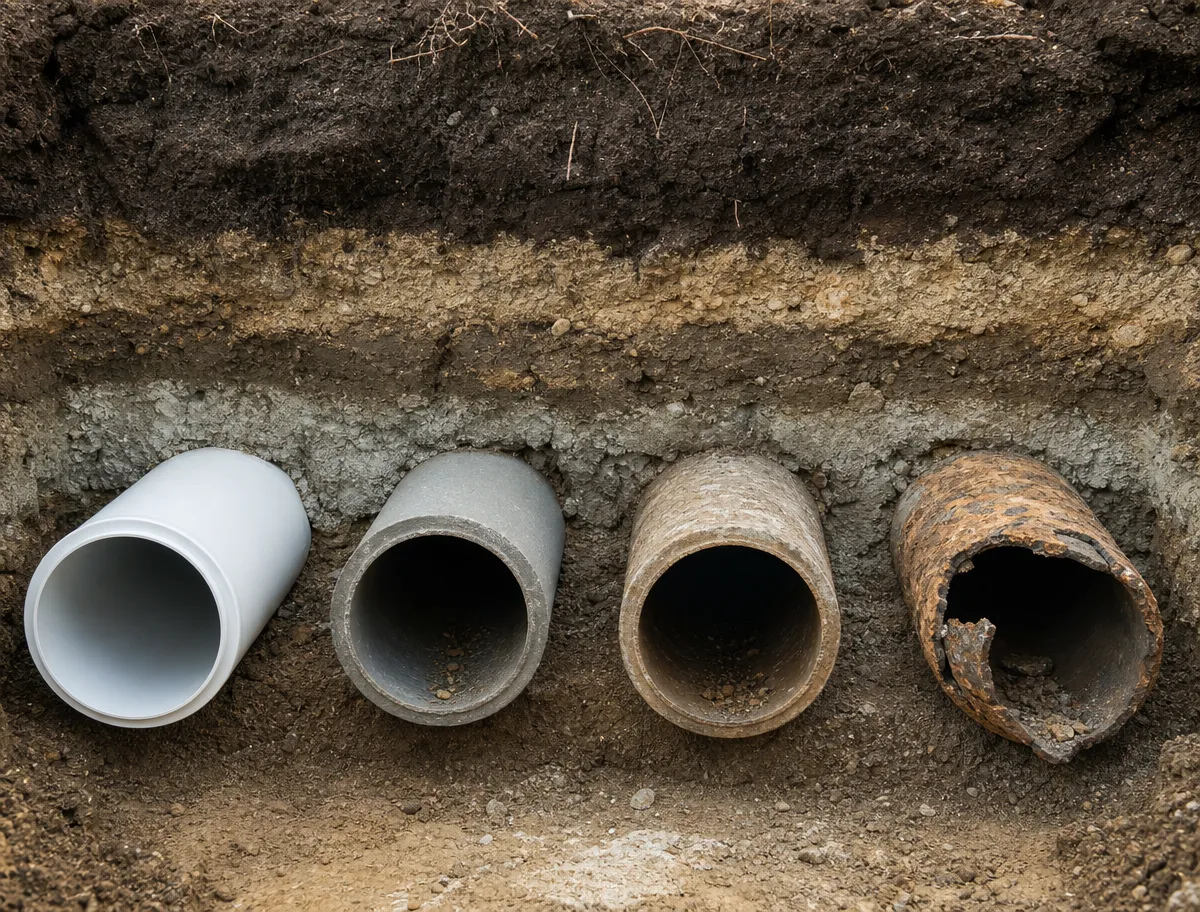
Material age drives everything. PVC pipe holds up remarkably well, often lasting 75 to 100-plus years before it needs replacement. Cast iron wears out much faster, typically failing somewhere between 50 and 75 years. A property with cast-iron laterals needs closer attention than one running modern PVC.
Before booking a visit, we ask homeowners to gather three things:
Property age and any known pipe material records
Recent backup or slow-drain history
Access points for camera equipment
These details set our pipe inspection frequency recommendations and keep the first visit focused on real risk rather than guesswork.
How Do You Identify Your Pipe's Age and Material?
A camera inspection gives us the confirmed answer, not a guess. We run a scoped camera through the line before recommending any fix. That footage tells us the pipe's material, joint condition, and age range in minutes. Guessing based on a home's build date leaves too much room for error.
We've built this diagnostic approach over roughly 27,000 completed jobs across Weber County and the Ogden area. That volume of camera work means we recognize clay, cast iron, Orangeburg, and PVC on sight, along with the failure patterns specific to each. Experience like this shortens the path from "something's wrong" to a clear repair plan.
How old is too old for a sewer pipe?
Any material other than Schedule 40 PVC that's been in the ground more than 50 years counts as outdated for pipe inspection frequency purposes. Pipes built from older materials weren't designed for a modern service life and sit well past their expected performance window. Homeowners with pipes in that range should treat replacement, not repair, as the realistic conversation.
Does my neighborhood affect what we find?
Location matters more than most homeowners expect. Foothill and heavily wooded properties carry a higher risk because mature tree roots push into aging sewer joints over time, accelerating cracks that camera work catches early.
Sewer maintenance schedule decisions should start with this diagnostic step:
Schedule a camera inspection before any cleaning or repair work begins.
Note the confirmed pipe material and joint condition from the footage.
Compare the pipe's age against the 50-year outdated-material threshold.
Flag root intrusion risk if the property sits near mature trees.
Use those findings to choose trenchless repair, spot lining, or full replacement.
Not sure which tier your home falls into?
Schedule a sewer camera inspection with Rhino Rooter and we'll confirm your pipe's age, material, and the right maintenance schedule — no guesswork required.
What Maintenance Schedule Fits New, Mid-Age, and Older Homes?
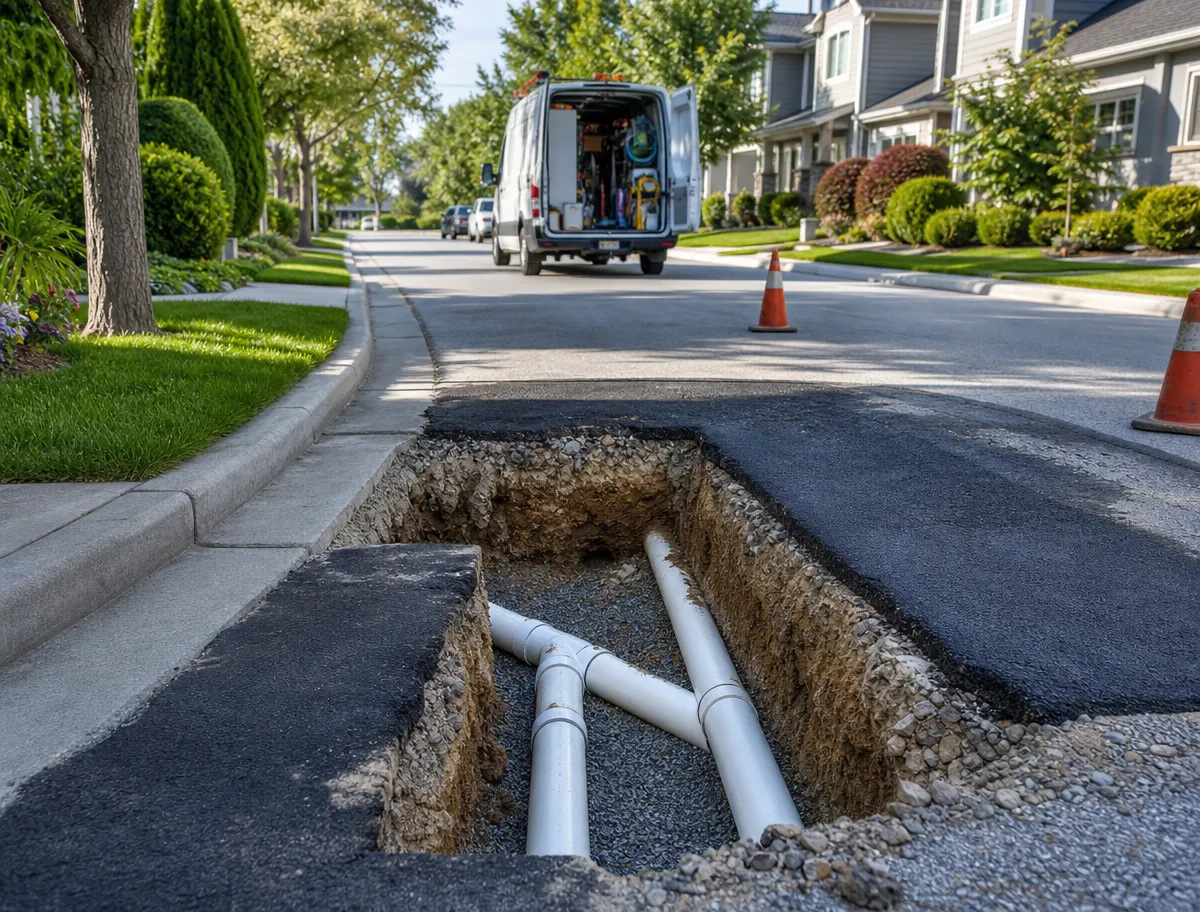 New PVC, freshly bedded
 Pipes under 20 years old still need a sewer maintenance schedule, even though age alone isn't yet the threat. We treat "newer" as a relative term. A PVC line installed in a 2010s subdivision still shares a trench system with older farmstead laterals nearby, and both profiles benefit from routine attention. Grease, scale, and root intrusion don't check installation dates before they cause trouble. Use the three tiers below as a practical reference guide by pipe age and type.
New Homes (PVC, Under 10 Years)
Newer PVC construction still needs a baseline maintenance rhythm, even without symptoms yet.
Schedule a camera inspection every 3 years to establish a baseline condition.
Plan drain cleaning every 2-3 years, even without visible symptoms.
Watch for slow drains, since grease and scale build up in PVC just like older materials.
Keep grease, wipes, and roots-attracting debris out of the line to protect the pipe's long service life.
Mid-Age Homes (1980–2000, Mixed Materials)
Homes from this era often mix clay, cast iron, and early PVC sections in the same trench, so maintenance needs to tighten up.
Schedule a camera inspection every 2 years to track changes across mixed materials.
Plan drain cleaning every 18-24 months to stay ahead of scale and root intrusion.
Ask for a material-specific assessment, since sections may transition between clay, cast iron, and PVC.
Watch for backups near joints where different pipe materials connect.
Older Homes (Pre-1980, Clay or Cast Iron)
Pre-1980 clay and cast-iron laterals carry the highest failure risk and need the closest attention.
Schedule an annual camera inspection to catch cracks and root intrusion early.
Plan drain cleaning every 12-18 months to prevent scale and debris buildup.
Consider trenchless CIPP pipe lining once the line passes 40 years old.
Treat any root intrusion or recurring clog as urgent given the pipe's advanced age.
Most homes in Roy, Ogden, and Harrisville fall into this older, pre-1980 tier, which is why annual camera inspection is our standard recommendation across much of Weber County.
How Often Should Older Sewer Lines Be Inspected?
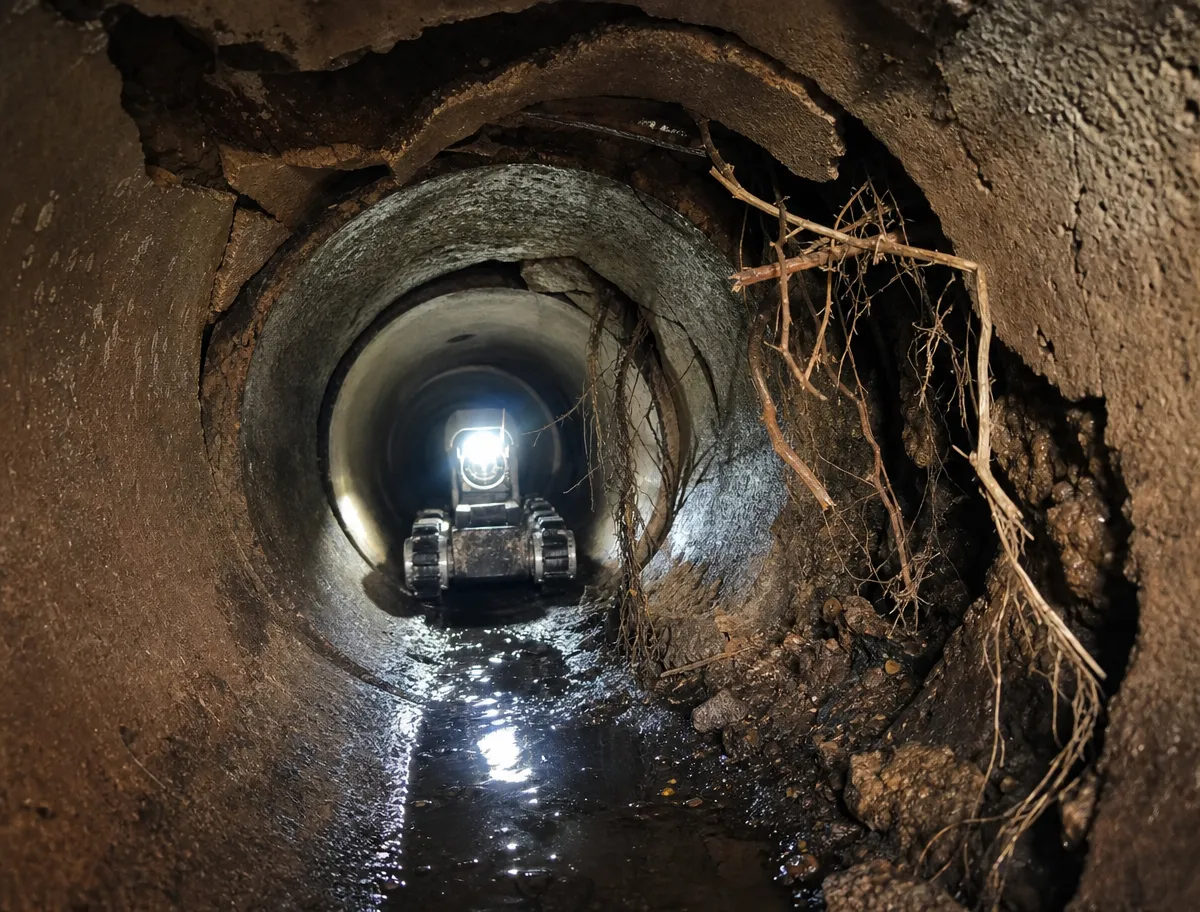 What the camera actually sees
 Twenty years marks the point where we start recommending annual camera inspections for most sewer materials. Waiting for a backup costs homeowners far more than a scheduled checkup ever will. We build our sewer maintenance schedule around pipe age, not guesswork, because a line's expected lifespan tells us exactly when to start watching it closely.
Once a line approaches or passes that 20-year mark, excavation stops being our first recommendation. We favor trenchless repair methods instead. CIPP lining and spot repair address cracks and root intrusion without tearing up a yard. This mirrors the EPA's asset management guidance for water and wastewater utilities, which recommends proactive, condition-based inspection over reactive repair.
What does a full inspection and maintenance visit include?
We treat older pipe age brackets as needing a complete package, not a single quick look. Our visits typically combine drain cleaning, hydro jetting, sewer camera inspection, and trenchless sewer repair when problems turn up, plus material-specific repair for pipes that need targeted attention.
How does pipe inspection frequency change after a repair?
A trenchless repair resets the clock somewhat. We back our older-line repairs with a 10-year warranty, which gives homeowners a documented buffer before the next close inspection is truly urgent. That said, we still suggest periodic camera checks within that window. Warranty coverage protects the repair itself, not against new problems developing elsewhere in the line.
Here's how we generally scope inspection timing by pipe condition:
Under 20 years, no symptoms: camera inspection every 2-3 years
20+ years or prior root/crack history: annual camera inspection
Post-repair, under warranty: inspection at warranty midpoint and near expiration
Planning around lifespan rather than reacting to a backup saves homeowners from emergency excavation costs and unplanned disruption.
What Mistakes Delay Sewer Line Problems From Being Caught?
Four recurring mistakes push a manageable repair into an emergency excavation. Homeowners lose the most ground by skipping camera diagnostics, ignoring early warning signs, hiring inconsistent contractors, and dismissing slow drains as minor annoyances. Each mistake buys time for a small crack to become a collapsed line.
Skipping the camera inspection before any repair tops our list of costly errors. Industry inspection standards such as NASSCO's PACP remaining useful life guidance tie a pipe's remaining service life to documented condition data, not age assumptions alone. We diagnose every job with a camera first, then fix the problem trenchlessly wherever the pipe allows.
Why Do Sewer Problems Go Unnoticed Until It's Too Late?
Sewer lines rarely announce failure with a dramatic event. They fail quietly, and the early signs stay easy to miss unless a homeowner knows what to watch for. By the time water backs up into a tub or floor drain, the damage has usually been building for months.
Working with a contractor that has decades of consistent field experience matters more than homeowners realize. A company with a long, steady track record in one service area builds diagnostic judgment that a rotating cast of technicians can't match. That consistency reduces the risk of conflicting assessments across multiple visits.
Watch for these signals between inspections:
Sluggish drains that empty slower than usual
Gurgling noises coming from pipes after a flush
Recurring clogs in the same fixture
Ignoring these signs lets a partial blockage progress into a full sewage backup.
Understanding your sewer line's age remains the cornerstone of effective maintenance planning. Older pipes demand more frequent inspections and proactive care to prevent costly failures. Newer installations benefit from extended intervals between assessments. By aligning your maintenance schedule with your pipe's specific age and material composition, you establish a reliable foundation for long-term system performance. Regular professional evaluation ensures early detection of deterioration, protecting your property and avoiding emergency disruptions that compromise both comfort and budget.
Sewer Maintenance Schedule at a Glance
New PVC homes (under 10 years): inspect every 3 years, clean every 2-3 years.
Mid-age homes (1980-2000, mixed materials): inspect every 2 years, clean every 18-24 months.
Older homes (pre-1980, clay/cast iron): inspect every year, clean every 12-18 months, consider trenchless lining at 40+ years.
Most Roy, Ogden, and Harrisville homes fall into the older tier and need annual attention.
A camera inspection confirms your pipe's real age and material — never guess.
About Rhino Rooter
Rhino Rooter has completed roughly 27,000 sewer and drain jobs across Weber County and the Ogden area, camera-verifying every line before recommending trenchless repair, spot lining, or replacement. Homeowners in Roy, Ogden, Harrisville, and surrounding communities rely on Rhino Rooter for age-based sewer maintenance schedules built on documented pipe condition, not guesswork.
Contact the crew →Frequently Asked Questions
How often should clay or cast-iron pipes get inspected?
Clay and cast-iron laterals over 15-20 years old need annual camera inspections and periodic jetting to clear root intrusion.
How often should PVC sewer lines get inspected?
Newer PVC lines handle inspections every 3-5 years, thanks to Schedule 40 PVC's 75-100+ year lifespan and superior durability over older materials.
What determines the right maintenance schedule for a sewer line?
Pipe material and age determine the schedule, and Rhino Rooter camera-verifies every line first before recommending CIPP lining or spot repair based on documented condition.
How often should mid-age homes with mixed pipe materials be inspected?
Homes built between 1980 and 2000 often mix clay, cast iron, and early PVC sections, so we recommend camera inspection every 2 years and drain cleaning every 18-24 months.
Do Roy, Ogden, and Harrisville homes need more frequent sewer inspections?
Yes. Most homes in Roy, Ogden, and Harrisville were built before 1980 with clay or cast-iron laterals, which fall into our older-home tier and typically need annual camera inspection.
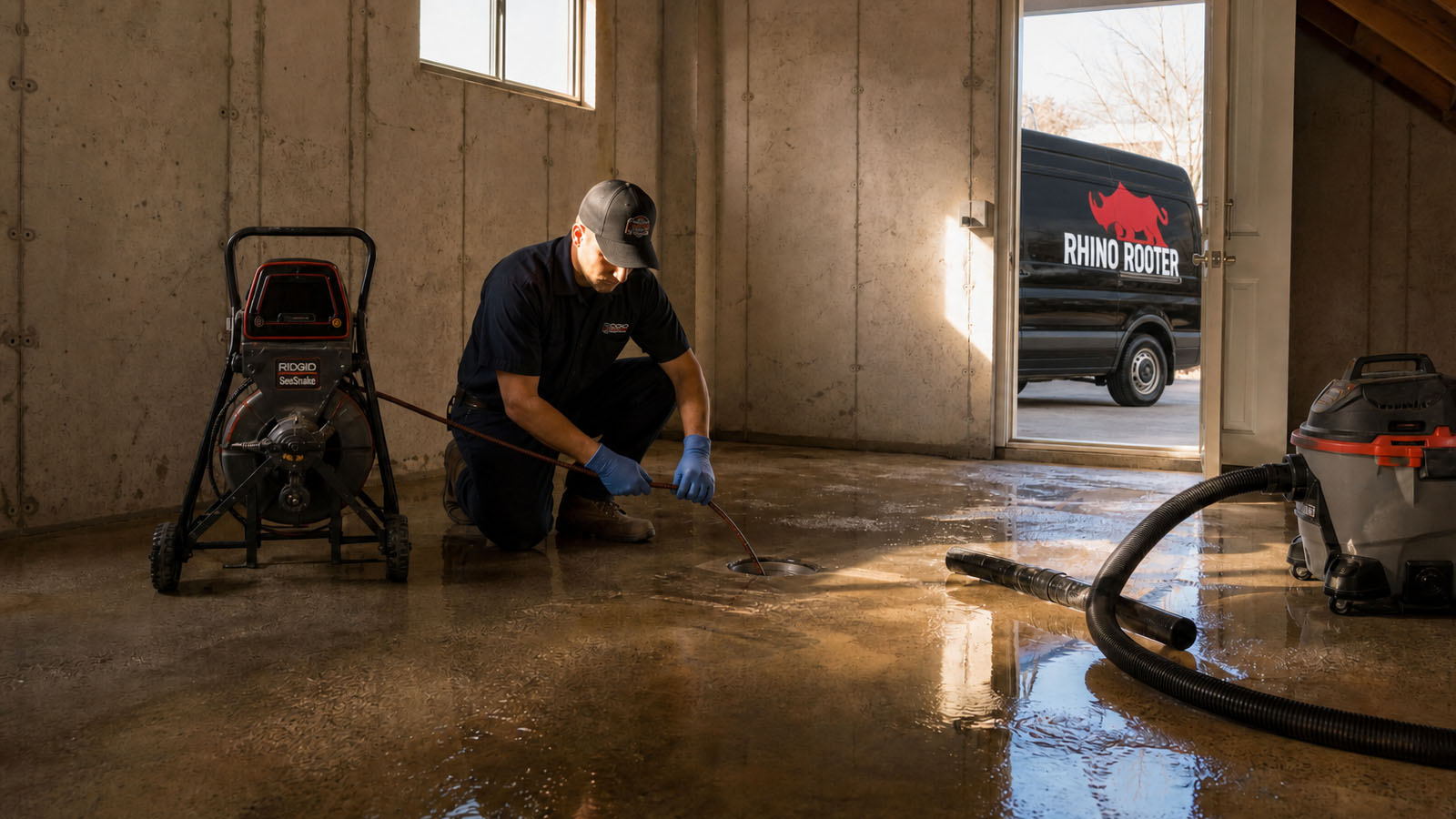
Get a Free Sewer Inspection Quote
Ready to build the right sewer maintenance schedule for your home's age and pipe material? Contact Rhino Rooter for a free quote and we'll camera-verify your line before recommending any repair.