
How Do You Prevent a Sewer Backup? A Homeowner's Checklist
Preventing sewer backup comes down to a handful of disciplined habits — grease disposal, toilet-paper-only flushing, root-safe landscaping, and a tested backflow safeguard — tied together by regular professional inspection and cleaning.
Four Habits Prevent Most Sewer Backups
To prevent sewer backup, keep grease and non-flushable items out of your drains, plant trees at least 10 feet from sewer lines, schedule an annual camera inspection, and install a backwater valve with a monthly-tested sump pump. Grease buildup causes most residential backups, so proper disposal is the single biggest factor you control. Pairing these habits with routine professional maintenance closes the remaining gaps.
Grease buildup ranks as the leading cause of sewer backups, so keeping it out of drains is step one. Our homeowner checklist covers routine sewer line inspections, proper grease disposal, avoiding flushing wipes or debris, and scheduling professional drain cleaning before blockages develop into costly, property-damaging emergencies.
What Are the Key Takeaways for Preventing a Sewer Backup?
What Do You Need Before Starting?
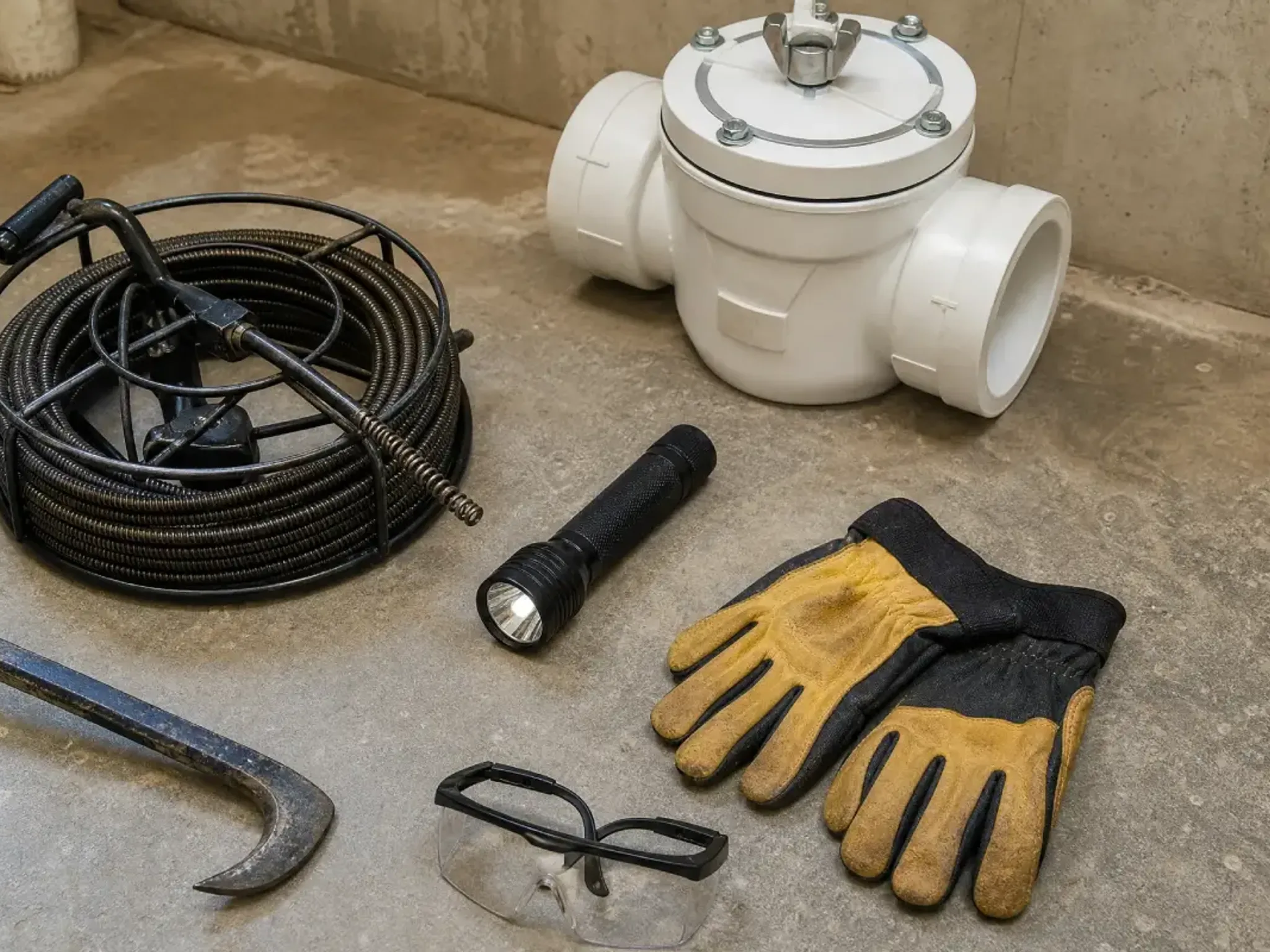 Gear up first
 Preventing sewer backup starts with gathering the right knowledge and resources before any work begins. Sewer backups cause property damage, health hazards, and significant cleanup expenses — all of which proactive preparation eliminates.
Before diving into drain maintenance tips, confirm these prerequisites are in place:
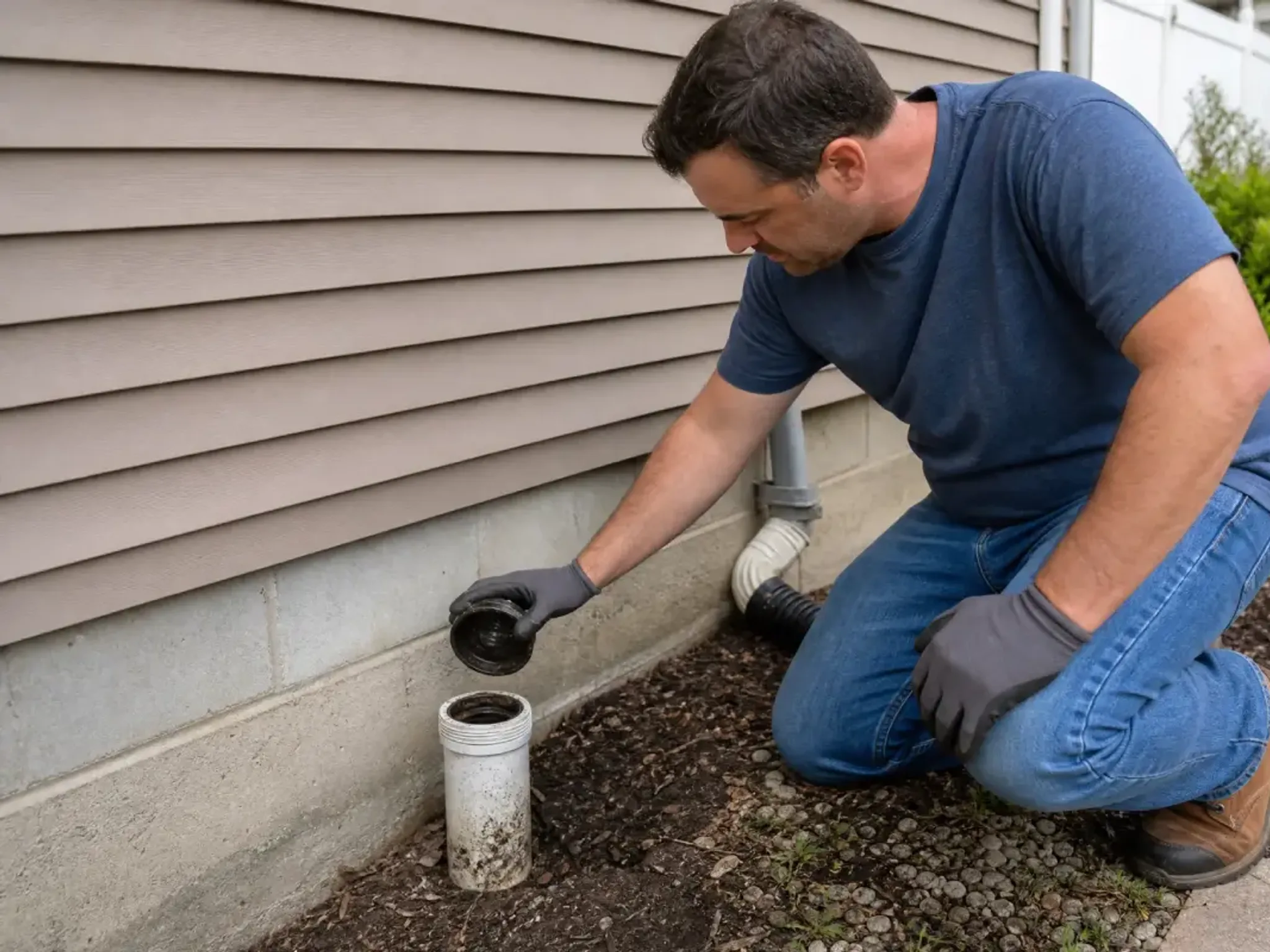
Know your pipe layout — Locate your main sewer cleanout access point so any professional can reach the line quickly.
Identify nearby trees and shrubs — Note any plantings growing above or near your building sewer — root intrusion is a leading cause of blockages.
Schedule a professional camera inspection — A trained technician uses video inspection equipment to spot tree root intrusion, cracks, or developing blockages before they escalate into emergencies.
Assemble a trusted service contact — Have a reliable drain and sewer specialist on call before a problem surfaces, not after.
Why Does a Professional Inspection Matter Before Maintenance?
A camera inspection reveals hidden damage that no surface-level checklist uncovers. Tree root intrusion, pipe cracks, and partial blockages all develop silently. And catching them early prevents the costly repairs that follow a full backup.
How Do We Choose the Right Sewer Service Team?
Rhino Rooter has served homeowners and businesses across West Haven, Weber County, and the Wasatch Front for over two decades. Our team delivers fast, dependable, and affordable drain and sewer solutions built on hands-on trenchless experience.
How Do You Control What Goes Down Drains?
 Trash it, not the drain
 Controlling what enters drains is the single most effective way to prevent sewer backup before it starts. Grease buildup is the leading cause of sewer backups and overflows. And the kitchen sink is the primary entry point for that grease into the sewer system.
The steps below require no special tools. Follow them consistently, and the carrying capacity of your sewer lines stays intact.
Cool cooking grease, then trash it — Never pour fats, oils, or grease — collectively called FOG — down the kitchen drain or toilet. Follow proper FOG disposal guidelines, since FOG congeals inside pipes and restricts flow, narrowing the passage over time.
Dispose of even small grease amounts in the trash — Low concentrations of grease poured down drains over extended periods cause the same long-term damage as a single large pour. Consistency matters here.
Flush only toilet paper — No wipes, diapers, or paper towels belong in the toilet. These materials do not break down the way toilet paper does, and they create blockages deep in sewer lines.
Use a drain strainer in the kitchen sink — A simple mesh strainer catches food solids before they enter the drain and compound any existing grease buildup.
Why Is Grease So Damaging to Sewer Pipes?
Grease sticks to the interior walls of sewer pipes rather than flowing through cleanly. As layers accumulate, the effective diameter of the pipe shrinks, reducing how much wastewater the line carries. Eventually, even normal household flow triggers a backup.
Are "Flushable" Wipes Actually Safe to Flush?
Despite the label, so-called flushable wipes do not break down adequately in sewer lines. Our crews at Rhino Rooter regularly clear blockages caused by wipes. They are among the most common non-grease culprits we encounter in Weber County drain systems. Stick to toilet paper only.
📞 Ready to Get Started?
Don't wait until a blockage forces an emergency call. Contact Rhino Rooter today for a fast, free quote on drain and sewer maintenance in Weber County.
Get a free estimate →How Do You Protect Pipes From Root Intrusion?
Protecting pipes from root intrusion starts with smart landscaping decisions and annual professional maintenance. Tree roots in sewer line systems actively seek moisture, since a sewer line is a reliable water source. That makes unprotected pipes a prime target for infiltration, cracking, and full blockages.
Drain maintenance tips for root intrusion prevention follow a clear sequence. Complete these steps before roots establish a foothold:
Map your building sewer line before planting anything — Know exactly where the pipe runs beneath your property.
Avoid planting trees or shrubs directly above or near the sewer line — Roots seeking water enter the pipe and cause clogs or break the pipe entirely.
Schedule a professional camera inspection annually — to catch early root intrusion before it escalates into a structural failure.
Have a professional cut and clear any roots that have already entered the pipe — Roots grow back quickly, so repeat this process every year without skipping.
Consider pipe rehabilitation if roots have caused repeated damage — Trenchless methods — including pipe lining, pipe bursting, and epoxy solutions — restore the pipe from the inside without excavation.
Why Are Older Pipes More Vulnerable to Root Damage?
Older properties present a heightened risk. Cast iron and vitrified clay sewer systems, common in homes built in the early to mid-1900s, are especially susceptible to root intrusion and general deterioration. Joints in these older materials gap over time, giving roots an easy entry point.
What Happens If Root Intrusion Goes Untreated?
Untreated root intrusion progresses from a partial clog to a fully collapsed pipe. At Rhino Rooter, we have seen roots reduce pipe capacity dramatically before a homeowner notices any symptoms. Catching the problem early — through inspection and annual clearing — is always less costly than emergency repair.
How Do You Install Backflow and Drainage Safeguards?
Backwater valve installation, ongoing sump pump maintenance, and redirected downspouts form the three coordinated upgrades your drainage system needs. Skipping any one of these layers leaves the drainage system exposed to the exact failure modes that cause the most expensive damage.
Drain maintenance tips for backflow protection follow a clear sequence. Complete each step before moving to the next.
Install a backwater prevention valve — Mount the valve on your main sewer line where it exits the foundation. The valve automatically blocks sewage from reversing into the home during a backup event — no manual intervention required.
Test your sump pump monthly — Pour water into the sump pit and confirm the pump activates and clears the water completely. Keep a battery backup unit installed, consistent with flood-preparedness best practices, so the pump continues operating when a storm knocks out power — which is precisely when you need it most.
Disconnect downspouts from the municipal sewer — Extend each downspout away from the foundation so stormwater drains into the yard rather than overloading the sewer line. Excess water entering the municipal system during heavy rain is a direct driver of backflow events.
Why Does Ground Settling Affect Drainage Safeguards?
Ground settling beneath newer residential developments creates pipe bellying, joint separation, and sag points — all of which undermine even a properly installed backflow valve. We recommend pairing any valve installation with a camera inspection to confirm the line downstream is structurally sound.
How Often Should a Backwater Valve Be Inspected?
A backwater valve needs periodic inspection to confirm the flap mechanism moves freely and seats without debris blocking the seal. Our team checks valve condition during every scheduled drain service call, catching wear before a failure occurs.
How Do You Schedule Ongoing Professional Maintenance?
Scheduling ongoing professional maintenance starts with two core services: periodic sewer line cleaning and a camera inspection at regular intervals. Combining both services gives homeowners and businesses the most complete picture of their drain system's health before small problems become expensive emergencies.
Drain maintenance tips like these are easy to delay — but ignoring them means grease, debris, and root intrusion accumulate silently until a full backup forces your hand.
What Happens During a Professional Sewer Cleaning?
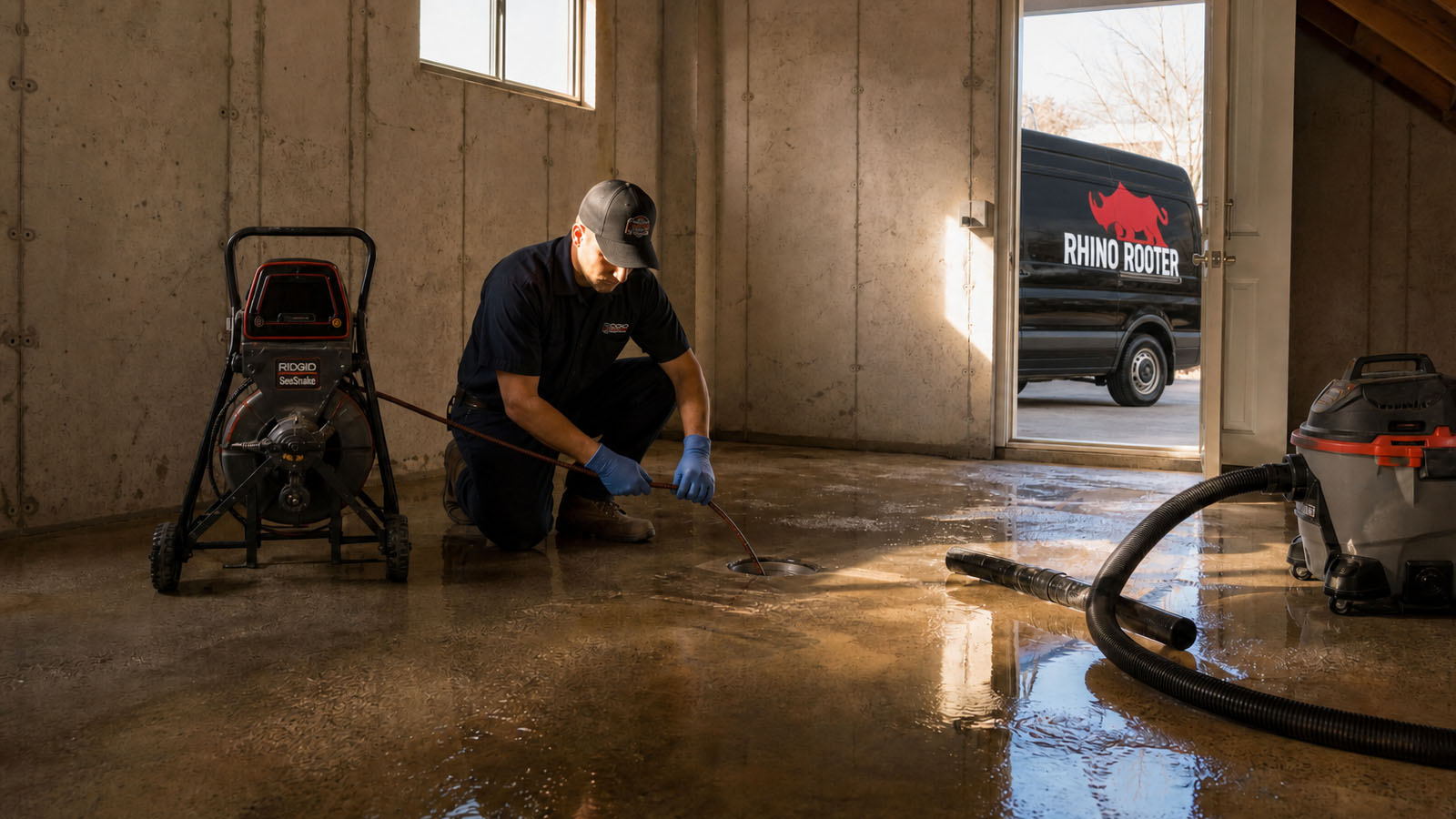
Our crews use high-pressure water jetting equipment to drive pressurized water through sewer lines, dislodging grease deposits and debris that cling to pipe walls. The loosened material floats toward a manhole access point, where it gets vacuumed out completely. Periodic cleaning removes the obstructions that cause clogs and, ultimately, backups — keeping your lines flowing at full capacity.
How Often Should You Book a Camera Inspection?
A professional camera inspection lets our technicians identify cracks, joint separations, and root intrusion long before those defects trigger a backup, an approach consistent with EPA-recommended sewer maintenance practices. Catching damage early means a targeted, minimally invasive repair rather than an emergency excavation. We recommend pairing a camera inspection with every cleaning cycle so nothing goes undetected between visits.
Follow these steps to set up a reliable maintenance schedule:
Contact Rhino Rooter — to assess your property's current drain condition.
Schedule a camera inspection — to establish a baseline and identify any existing damage.
Book a hydro-jetting cleaning — to clear grease buildup and debris from the line.
Establish a recurring service interval — based on the inspection findings and your property's usage.
Address any repairs immediately — whether an emergency clog or a failing line needing no-dig rehabilitation, we have the tools and expertise to resolve it right away. Consistent professional maintenance is the most reliable way to prevent sewer backup and protect your property long-term.
TL;DR — Sewer Backup Prevention at a Glance
Grease disposal in the trash, not the drain — FOG is the leading cause of residential sewer backups.
Toilet paper is the only material safe to flush; wipes, diapers, and paper towels cause deep blockages.
Trees and shrubs belong at least 10 feet from sewer lines to prevent root intrusion.
A backwater valve paired with a monthly-tested sump pump guards the point of entry during a backup event.
Ground settling and storm surges can overwhelm an unprotected line even with good habits in place.
Next step: book a camera inspection and hydro-jetting cleaning to catch damage daily habits alone can't prevent.
About Rhino Rooter
Rhino Rooter has served homeowners and businesses across West Haven, Weber County, and the Wasatch Front for over two decades, specializing in drain cleaning, hydro-jetting, sewer camera inspections, and trenchless pipe repair. Contact us today for a free, no-obligation quote.
Contact the crew →Frequently Asked Questions
What is the leading cause of sewer backups?
Grease buildup causes the majority of residential sewer backups and overflows. Never pour fats, oils, or grease down kitchen drains or toilets.
How far away from sewer lines do trees need to be planted?
Plant trees and shrubs at least 10 feet away from sewer lines to prevent root intrusion and blockages.
What items belong in the toilet besides waste?
Flush only toilet paper, never wipes, diapers, or paper towels. These materials create blockages that lead to costly sewer backups.
How often should I get a sewer camera inspection?
Most homes benefit from an annual camera inspection, and homes 20 years or older or with mature trees nearby should not skip this yearly check. It catches root intrusion and pipe damage before a backup occurs.
What is a backwater valve and do I need one?
A backwater valve is a device installed on your main sewer line that automatically blocks sewage from reversing into your home during a backup. It is especially important for homes on lower ground or in areas prone to municipal sewer overloading.
Get a Free Sewer Inspection Quote
Preventing sewer backup comes down to a handful of disciplined habits — grease disposal, toilet-paper-only flushing, root-safe landscaping, and a tested backflow safeguard — tied together by regular professional inspection and cleaning. If it's been a while since your sewer line was checked, don't wait for a backup to force the issue. Contact Rhino Rooter today for a free, no-obligation quote.