Serving West Haven, Weber County & the Wasatch Front
2566 S 3150 W, West Haven, UT 84401

CIPP Pipe Lining in West Haven & Weber County, UT

A damaged sewer pipe does not always mean a torn-up yard. Cured-in-place pipe lining — or CIPP — is one of the most effective and cost-efficient trenchless methods available for rehabilitating damaged, corroded, or root-invaded sewer lines without a single shovel hitting the ground. At Rhino Rooter, CIPP pipe lining is one of our core specialties. We have been restoring sewer pipes across West Haven, Weber County, and the Wasatch Front for over two decades — saving homeowners thousands in excavation and restoration costs in the process.

Our Services

What is a CIPP Pipe Lining?

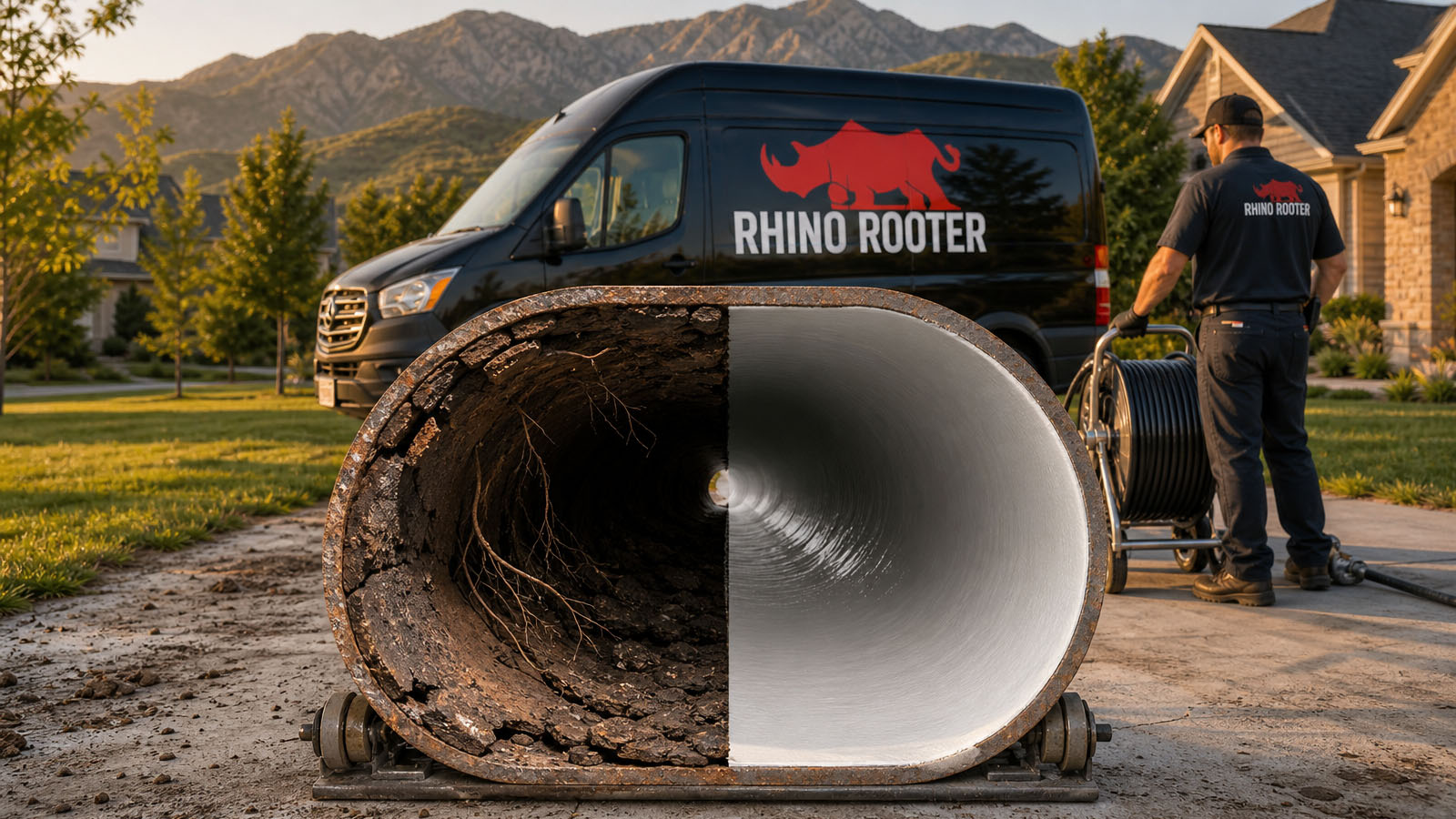
Cured-in-place pipe lining is a trenchless rehabilitation method that creates a brand new pipe inside your existing damaged one — without removing or replacing the original pipe. A flexible liner saturated with high-strength epoxy resin is inserted into your sewer line through an existing access point such as a cleanout or manhole. Once positioned, the liner is inflated and cured using hot water or UV light, hardening into a seamless, jointless, corrosion-resistant pipe that bonds to the interior of the host pipe.

The result is a pipe within a pipe — smooth, durable, and built to last 50 years or more. No excavation. No disruption to your lawn, driveway, or landscaping. And in most cases, the job is done in a single day.

CIPP lining works on pipes ranging from 4 to 12 inches in diameter, making it suitable for residential sewer laterals, commercial drain lines, and light municipal applications throughout Weber County.

The CIPP Pipe Lining Process — Step by Step

1

Step 1 – Camera Inspection

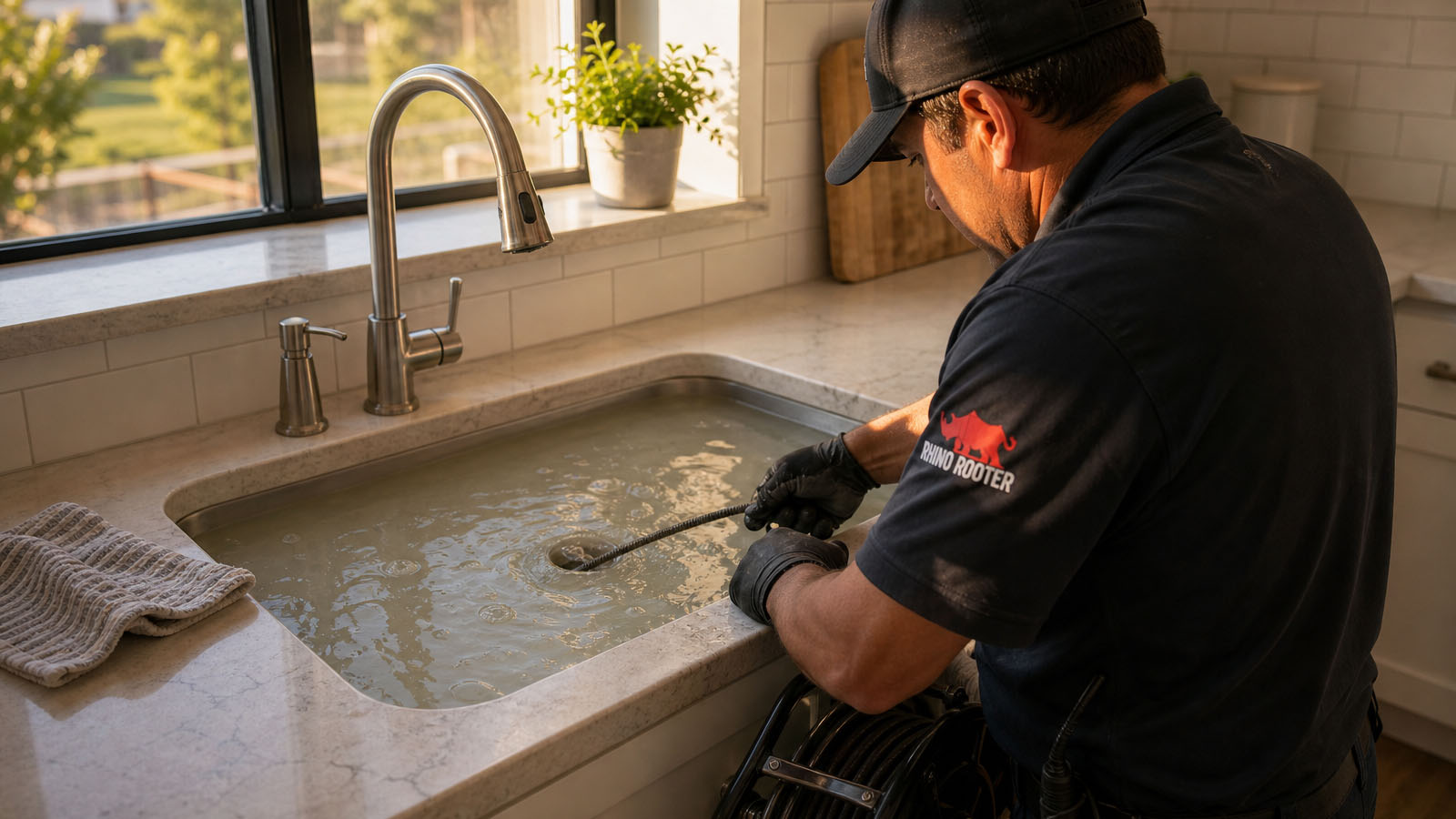
Every CIPP lining job at Rhino Rooter begins with a thorough CCTV camera inspection of your sewer line. This tells us the pipe's exact condition, the location and nature of any damage, and whether CIPP lining is the most appropriate solution. We never recommend a lining job without seeing documented evidence of what is actually in your pipes.

2

Step 2 – Pipe Cleaning

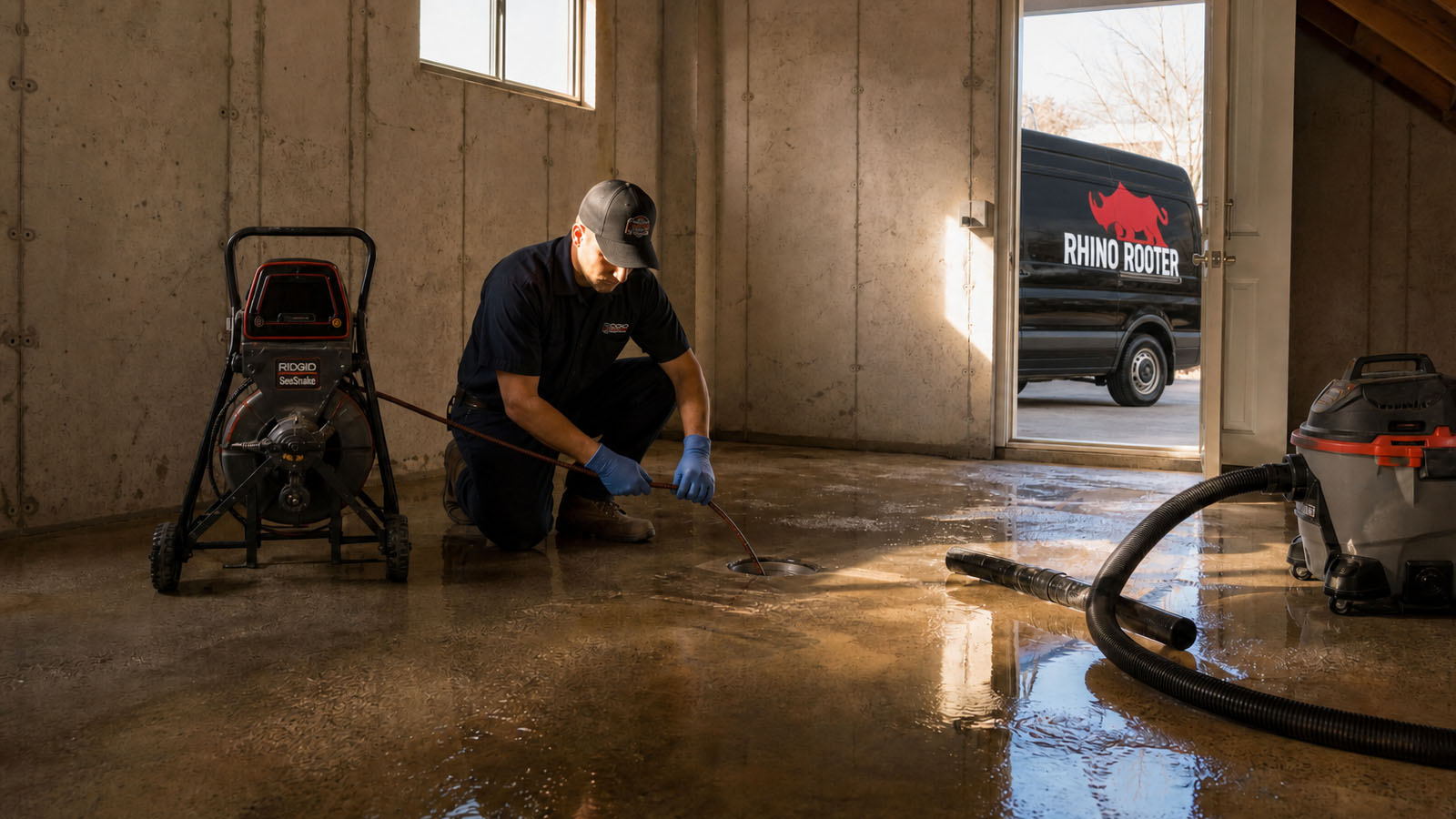
Before the liner can be installed, the pipe must be thoroughly cleaned. We use high-pressure hydro jetting to remove scale buildup, grease, root masses, and any debris from the pipe interior. A clean surface is critical for proper liner adhesion — it is the difference between a lining job that lasts decades and one that fails prematurely.

3

Step 3 – Liner Installation

With the pipe cleaned and cleared, we insert the resin-saturated liner through your existing cleanout or access point. At Rhino Rooter, we use high-quality epoxy resin for our CIPP repairs — a durable, long-lasting material that creates a seamless, leak-proof pipe lining once cured. The liner is positioned precisely within the host pipe before curing begins.

4

Step 4 – Curing

Once the liner is in position, it is cured using hot water or UV light, depending on the pipe configuration and job requirements. The curing process hardens the epoxy resin into a rigid, smooth new pipe that bonds to the interior of the old one. Curing is fast, precise, and produces a consistently strong result throughout the full length of the liner.

5

Step 5 – Final Camera Inspection

After curing is complete, we run a post-installation camera inspection to confirm the liner is fully seated, smooth, and performing correctly. You receive a fully rehabilitated sewer line — verified on camera before we leave your property.

What Pipe Problems Does CIPP Lining Fix?

CIPP lining is an effective solution for a wide range of sewer pipe conditions, including:

  • Cracks and fractures from ground movement, age, or external pressure — particularly common given Utah's freeze-thaw soil cycles
  • Root intrusion — the liner seals all joints and cracks, eliminating entry points for tree and shrub roots
  • Internal corrosion — especially prevalent in aging cast iron pipes throughout Weber County's mid-century residential neighborhoods
  • Hard water mineral scale — Utah's notoriously hard water accelerates scale buildup inside cast iron pipes; lining encapsulates the damaged surface and restores flow
  • Joint displacement — where pipe sections have shifted slightly from ground movement or settling
  • Minor pipe collapse — where the pipe retains enough structural integrity to support a liner installation
  • For pipes that are fully collapsed, severely deformed, or structurally failed, pipe bursting is the more appropriate solution.

CIPP Vs Traditional Sewer Pipe Replacement

CIPP Pipe Lining Traditional Excavation
No digging required — access through existing cleanout Full trench required along the pipe run
CIPP Pipe Lining Traditional Excavation
Usually completed in 1 day for most residential jobs Can take several days to weeks
CIPP Pipe Lining Traditional Excavation
Minimal to no landscape damage Can damage lawns, driveways, and landscaping
CIPP Pipe Lining Traditional Excavation
No major restoration costs May require concrete, asphalt, or landscape repairs
CIPP Pipe Lining Traditional Excavation
Creates a durable pipe liner that can last 50+ years New pipe typically lasts 25–30 years
CIPP Pipe Lining Traditional Excavation
Can save 30–50% on total project cost Often has higher total costs due to labor and restoration

Why Utah's Climate Makes CIPP the Smart Choice

Weber County homeowners face a pipe challenge that most of the country does not: significant seasonal freeze-thaw ground movement. As Utah’s temperatures drop in winter and rise in spring, the ground around buried pipes expands and contracts repeatedly — placing stress on pipe joints, accelerating crack propagation, and pushing sections of pipe out of alignment.

This is why so many Weber County properties that have never had a drain problem suddenly develop one. The pipe has been slowly deteriorating from the inside due to corrosion and scale, while freeze-thaw movement has been stressing the joints from the outside. By the time a backup occurs, the damage has often been building for years.

CIPP lining addresses both problems simultaneously. The cured liner encapsulates the corroded pipe interior and spans all open or shifting joints — creating a continuous, flexible-yet-rigid new pipe that is far more resilient to the ground movement common on the Wasatch Front than the original host pipe ever was.

CIPP Pipe Lining for Residential & Commercial Properties

Residential Pipe Lining in West Haven & Weber County

For homeowners throughout West Haven, Ogden, Roy, North Ogden, and the surrounding communities, CIPP lining is the preferred solution for aging sewer lines. The post-war residential neighborhoods that define so much of Weber County carry cast iron and vitrified clay sewer systems that are now 60 to 70 years old — well past the point where rehabilitation is urgently needed. Lining extends their service life by 50 years or more without disturbing your property above ground.

Commercial Pipe Lining in Weber County

Rhino Rooter also serves commercial property owners, landlords, and property managers across Weber County with CIPP lining solutions. For commercial applications — multi-unit residential buildings, restaurants, retail properties, and office facilities — CIPP is the repair method that minimizes downtime and eliminates the cost and disruption of excavating a fully operational commercial property. We have experience with the high-volume drain systems along Riverdale's commercial corridor and throughout Ogden's commercial districts.

Sewer Camera Inspection Throughout West Haven & Weber County

Wherever you are in the region, Rhino Rooter can get a camera in your line quickly and give you the answers you need.

Frequently Asked Questions

At Rhino Rooter, we use high-quality epoxy resin for our CIPP repairs. Epoxy resin is durable, long-lasting, and creates a seamless, leak-proof pipe lining that outperforms alternative materials in long-term residential and commercial applications.

CIPP lining works on most common pipe materials including cast iron, vitrified clay, PVC, ABS, and reinforced concrete. Our camera inspection confirms suitability before any lining work begins.

A properly installed CIPP liner is rated for 50+ years of service life — significantly longer than most patched or traditionally repaired pipe sections. With proper maintenance, many CIPP installations will outlast the properties they serve.

While sliplining is a valid trenchless option in some scenarios, we generally recommend CIPP for most residential and commercial applications due to its longer-lasting results, minimal flow reduction, and less disruption to the existing pipe system

Free Estimates

Ready to Restore Your Pipes Without the Dig?

If you are dealing with a cracked, slow, or failing sewer line in West Haven or anywhere across Weber County, CIPP pipe lining could be the solution that saves you thousands in excavation and restoration costs. Contact Rhino Rooter today for a camera inspection and free estimate.