
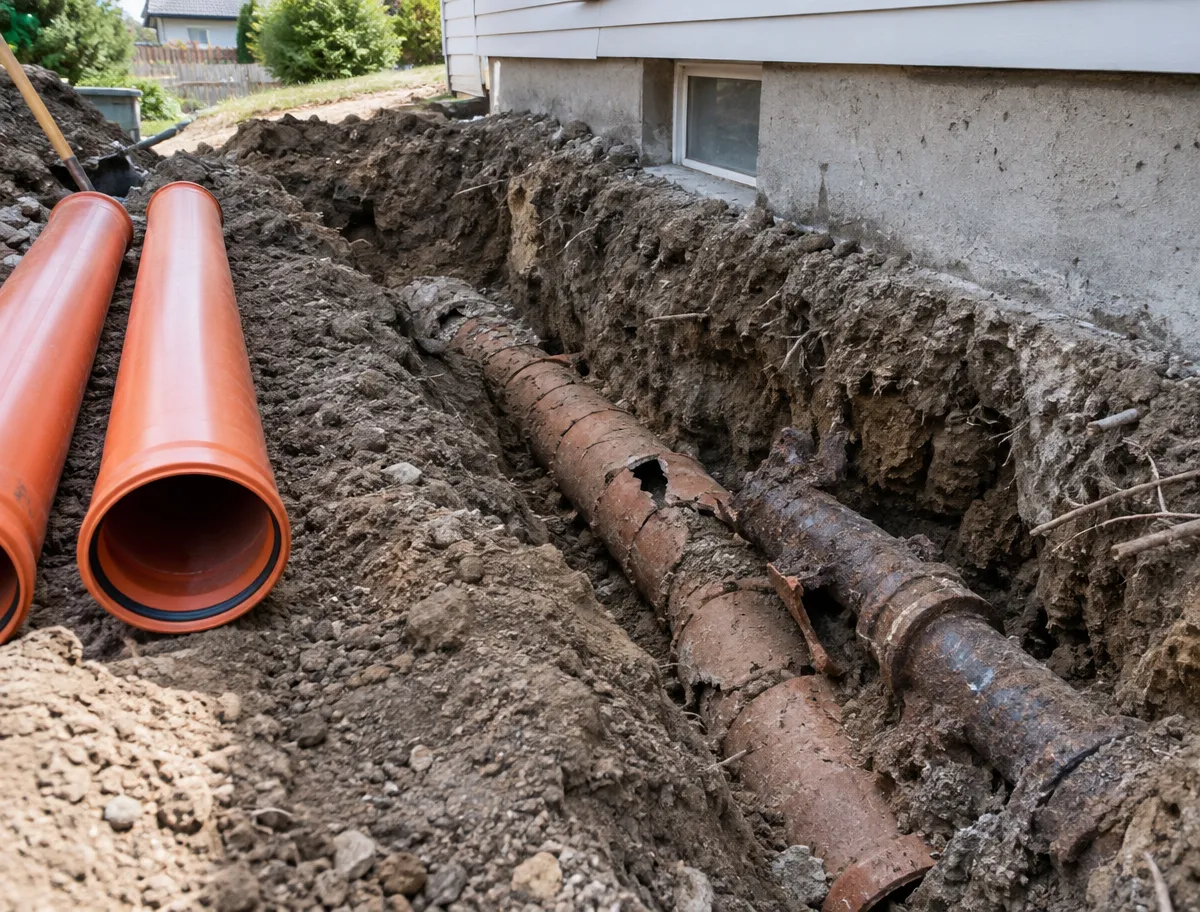
How Does Pipe Bursting in Ogden, UT Replace Failed Clay and Cast Iron Lines Without Trenching?
Quick Answer: Pipe bursting in Ogden, UT replaces a failed clay or cast iron sewer lateral by pulling a cone-shaped bursting head through the old pipe, breaking it apart underground while a new, seamless HDPE pipe is pulled into the same path behind it. The work typically needs only two small access pits instead of a trench across the yard. It is usually the preferred method when a line is too deteriorated for CIPP lining, such as collapsed sections, severe root damage, or multiple offset joints, and a camera inspection confirms which method fits.
Many Ogden homes, especially downtown and on the East Bench, were built before 1950 and still rely on original clay or cast iron sewer laterals. After decades of tree roots, freeze-thaw cycles, and corrosion, some of those lines are past saving. Rhino Rooter has diagnosed and repaired sewer lines across Ogden and Weber County since 2003, and this guide explains how pipe bursting works, when it beats lining, and how to avoid the most common mistakes.
What Should Ogden Homeowners Know About Pipe Bursting First?
Why Do Clay and Cast Iron Sewer Lines Fail in Ogden?
Ogden’s older neighborhoods have a large stock of pre-1950 housing with clay, cast iron, and even Orangeburg laterals. Each material fails in its own way:
Clay pipe is laid in short sections, often only a few feet long, as shown in the National Clay Pipe Institute’s vitrified clay pipe engineering manual. On older lines, those many joints can loosen and offset over time, and mature street trees send roots through the gaps. The EPA notes that tree roots entering through defects or openings in a sewer line may cause blockages.
Cast iron pipe can corrode from the inside as scale builds up and from the outside depending on the soil around it. A National Bureau of Standards report on corrosion of ferrous metals underground found that soils differ widely in how aggressively they attack iron.
Freeze-thaw cycles add stress to pipe that is already near the end of its life, widening cracks and shifting joints.
Rhino Rooter’s guide to common pipe types explains how each material ages and what repair options fit it.
When Is Pipe Bursting Better Than CIPP Lining?
Both methods are trenchless, but they solve different problems. CIPP pipe lining builds a new pipe inside the old one, so the host pipe has to be intact enough to hold a liner. Pipe bursting replaces the old pipe entirely, which makes it the better fit when the line is too far gone to line. NASSCO’s pipeline rehabilitation matrix describes both methods, along with other trenchless options, and notes that pipe bursting can also upsize a line.
| Factor | Pipe Bursting | CIPP Lining |
|---|---|---|
| What it does | Breaks the old pipe and pulls in a new HDPE pipe | Cures a resin liner inside the existing pipe |
| Best for | Collapsed sections, severe root channels, multiple offsets, badly deteriorated pipe | Cracked, root-infiltrated, or corroded pipe that is still structurally intact |
| Access | Two small pits, one at each end of the run | Usually an existing cleanout or one small access point |
| Result | Brand-new, seamless pipe | Jointless new pipe wall inside the old line |
The right choice depends on the condition of your pipe, and a sewer camera inspection is how that gets decided. To see how the lining side works in more detail, read how CIPP pipe lining works.
📞 Not Sure Whether Your Line Can Be Lined or Needs Bursting?
Rhino Rooter will camera your sewer line, show you the footage, and explain which trenchless option fits before any work begins. Call (435) 225-5678 or contact Rhino Rooter to schedule an inspection.
Why Is a Camera Inspection the First Step?
A sewer camera inspection is the essential first step before any pipe bursting Ogden UT project. A waterproof camera travels through the sewer line to reveal cracks, root intrusion, pipe misalignment, bellies, and blockages. Without that footage, any repair recommendation is a guess.
Ogden City’s sanitary sewer engineering standards also call for a video inspection of the cleaned existing pipe before pipe bursting, and they list HDPE among the approved materials for sewer laterals. Rhino Rooter reviews the footage with you, marks the location of the damage, and recommends trenchless work only when the footage shows it is needed.
Why Does This Matter for Older Ogden Homes?
Older East Bench and Historic 25th Street homes often have clay or cast iron laterals that fail in unpredictable ways. A camera inspection maps the failure point and identifies the pipe material before the bursting route is planned. Newer homes are not immune either; improper grade or leftover construction debris can cause backups in lines that are only a few years old. Our guide to what a sewer camera inspection shows walks through what the footage can reveal.
How Do You Prepare a Sewer Line for Replacement?
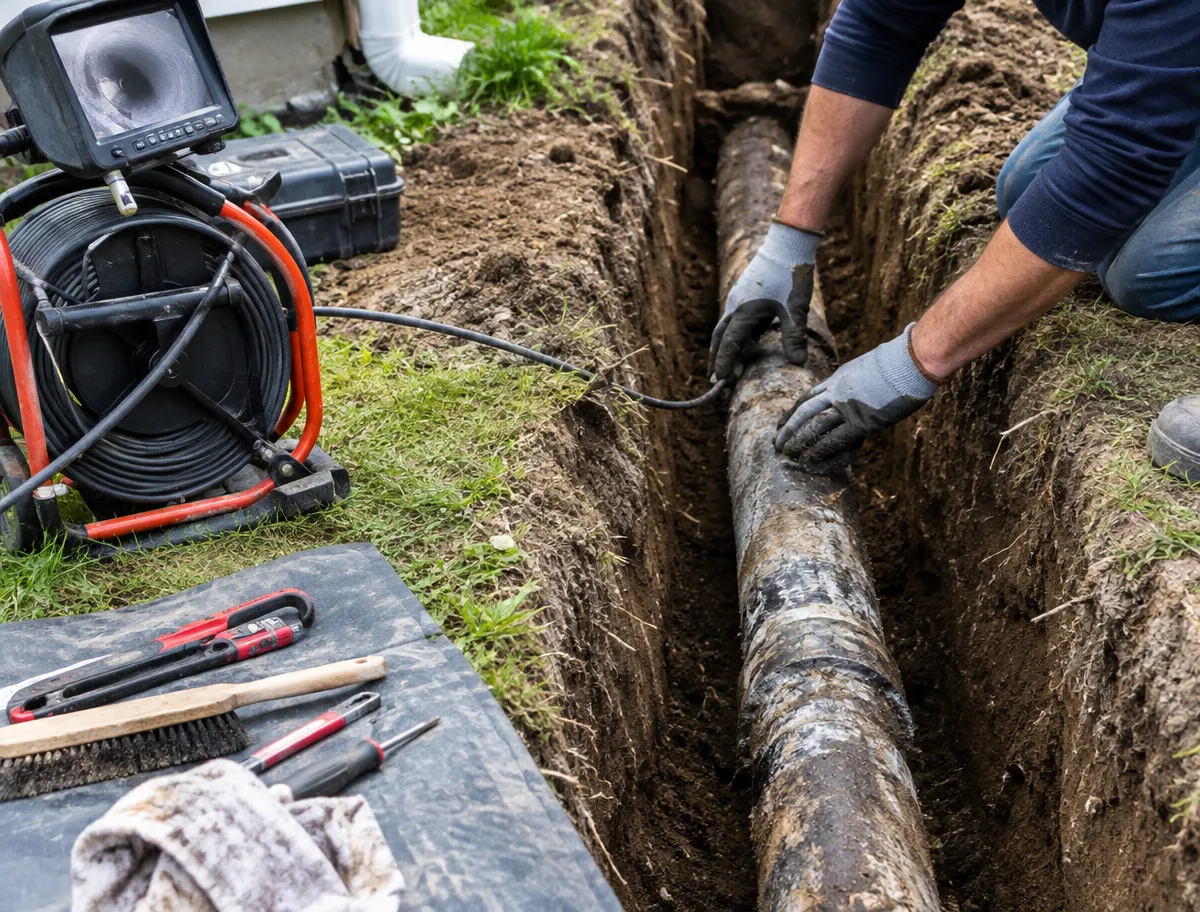
Preparation starts with the recorded camera footage. Scaled cast iron and flat-grade bellies can look identical from a fixture in Ogden’s older neighborhoods, so seeing the line is what determines whether it needs jetting, a spot repair, lining, or full replacement.
Confirm the repair method. The camera evidence dictates the approach. Pipe bursting requires different staging than CIPP lining or a spot repair.
Clear the line. Hydro jetting removes scale, grease, and root debris so the bursting head or liner can travel without obstruction.
Check permit requirements. Sewer lateral replacement generally requires a city permit and inspection. Your contractor should confirm what Ogden City requires for your project before work begins.
Mark the access points. The crew flags the entry and exit pit locations, keeping the work zone tight and protecting your landscaping.
How Does Pipe Bursting Work Step by Step?
Pipe bursting in Ogden, UT replaces a failing sewer line by fracturing the old pipe underground while pulling a new, seamless pipe into place. The EPA’s review of sewer rehabilitation technology lists pipe bursting among the replacement techniques that install a new pipe on the same alignment as the old one. Here is how a typical job unfolds:
Camera the line. A camera maps the damage and confirms bursting is the right fix.
Dig two small access pits. One pit exposes the pipe at the starting point; the other sits at the exit point.
Feed the bursting cable. A cable is threaded through the old pipe and attached to a cone-shaped bursting head.
Pull the new pipe through. A hydraulic winch pulls the head forward. The head breaks the old pipe outward while the new HDPE pipe slides into the same path.
Reconnect and re-camera. The new line is connected at both ends and inspected on camera to verify the installation.
Why Does This Method Suit Ogden’s Foothill Lots?
Trenchless replacement is well suited to East Bench and North Ogden foothill lots, where slope and mature landscaping make excavation costly and disruptive. Bursting avoids tearing out retaining walls, decks, and decades-old trees, and the seamless HDPE pipe resists the tree roots that drive many local failures.
How Long Does the New Pipe Last?
High-density polyethylene resists corrosion and root penetration, and because the pipe is jointless, there are no joints for roots to exploit. Installed with proper bedding and grade, an HDPE line can provide decades of reliable service without the recurring blockages that plague older clay systems.
What Affects the Cost of Pipe Bursting in Ogden?
Every line is different, so Rhino Rooter quotes each pipe bursting job in writing after a camera inspection. The main factors are:
Depth of the sewer lateral and how much digging the access pits require.
Length of the run from the house to the city connection.
Access, including driveways, slopes, retaining walls, and landscaping near the pit locations.
Pipe condition, such as collapsed sections or heavy root masses that need clearing first.
Planned trenchless replacement can cost less overall than an emergency dig after a line collapses, because it can avoid rebuilding slopes, driveways, and landscaping.
Pricing note: Any cost information in this article is for general guidance only. Actual costs vary based on line depth, length, access, and pipe condition, and pricing can change at any time. Contact Rhino Rooter for a current, accurate quote.
What Mistakes Should Ogden Homeowners Avoid?
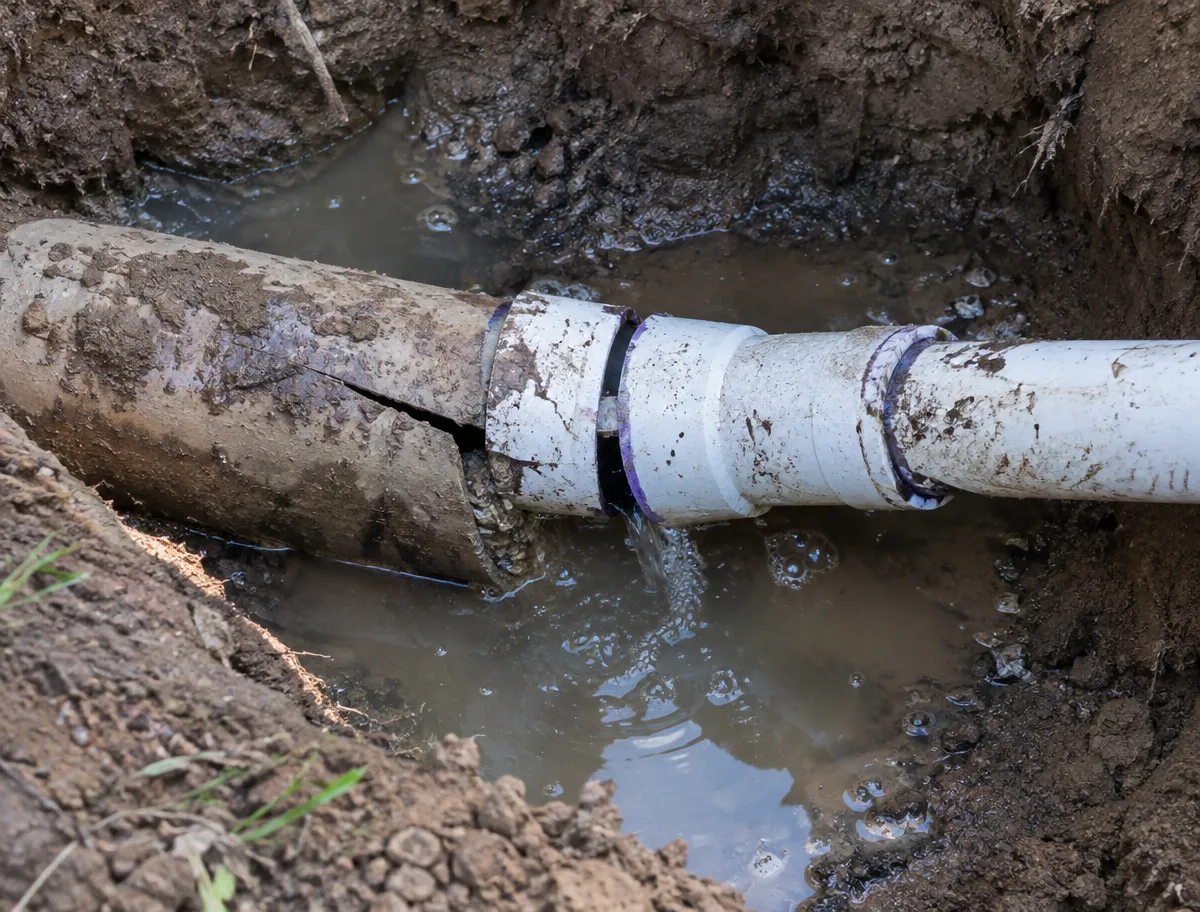
Sewer line problems demand evidence, not guesswork. The most expensive mistake is authorizing repairs without first seeing what is actually underground.
Authorizing work without camera footage that shows where and how the line has failed.
Paying for repeated snaking on a line that needs structural repair. A bellied or collapsed line traps waste in a low spot, and snaking clears the clog without fixing the sag.
Choosing open-cut excavation on a steep, landscaped lot when trenchless replacement could do the job with two small pits.
Replacing more than you need to when the damage is confined to one joint and a spot repair would solve it.
If roots keep coming back, our guide to tree roots in sewer lines explains why clearing alone rarely ends the cycle.
Pipe Bursting in Ogden, UT at a Glance
Pipe bursting replaces failed clay and cast iron sewer laterals by breaking the old pipe and pulling in seamless HDPE pipe.
It typically needs only two small access pits, which protects driveways, slopes, and mature landscaping on Ogden lots.
Bursting is usually the right call when a line is too deteriorated for CIPP lining: collapsed sections, severe root channels, or multiple offsets.
A camera inspection comes first and decides between cleaning, spot repair, lining, and bursting.
Next step: contact Rhino Rooter to schedule a sewer camera inspection and a written quote.
About Rhino Rooter
Rhino Rooter is a family-run sewer and drain company based in West Haven, Utah, owned and operated by John Larsen since 2003. The team provides camera-verified drain cleaning, hydro jetting, sewer camera inspection, CIPP pipe lining, and pipe bursting across Ogden, Weber County, and Box Elder County. Call (435) 225-5678 to schedule service.
Frequently Asked Questions
How does trenchless pipe bursting work in Ogden?
A cone-shaped bursting head is pulled through the old pipe, breaking it apart underground while a seamless HDPE pipe is pulled into place behind it. The work is typically done through two small access pits instead of a trench across the yard.
When is CIPP lining used instead of pipe bursting?
CIPP lining is generally used when the existing pipe is cracked or root-infiltrated but still intact enough to hold a liner. Pipe bursting is usually the better choice when the line is collapsed, badly bellied, or has multiple offset joints. A camera inspection decides which method fits.
Why is a sewer camera inspection done before any repair?
A waterproof camera shows cracks, root intrusion, misalignment, bellies, and blockages, and it identifies the pipe material. That footage determines whether the line needs cleaning, a spot repair, lining, or full replacement, so no one is guessing about what is underground.
Is HDPE pipe better than the original clay or cast iron?
HDPE is seamless, flexible, and resistant to corrosion and root intrusion, so it avoids the joint failures and internal scaling common in old clay and cast iron lines. Installed with proper bedding and grade, it can provide decades of service.
Will pipe bursting damage my yard or driveway?
Pipe bursting typically needs only two small access pits, one at each end of the run, so most of the yard, driveway, and landscaping stays intact. The pits are backfilled once the new line is connected and verified on camera.
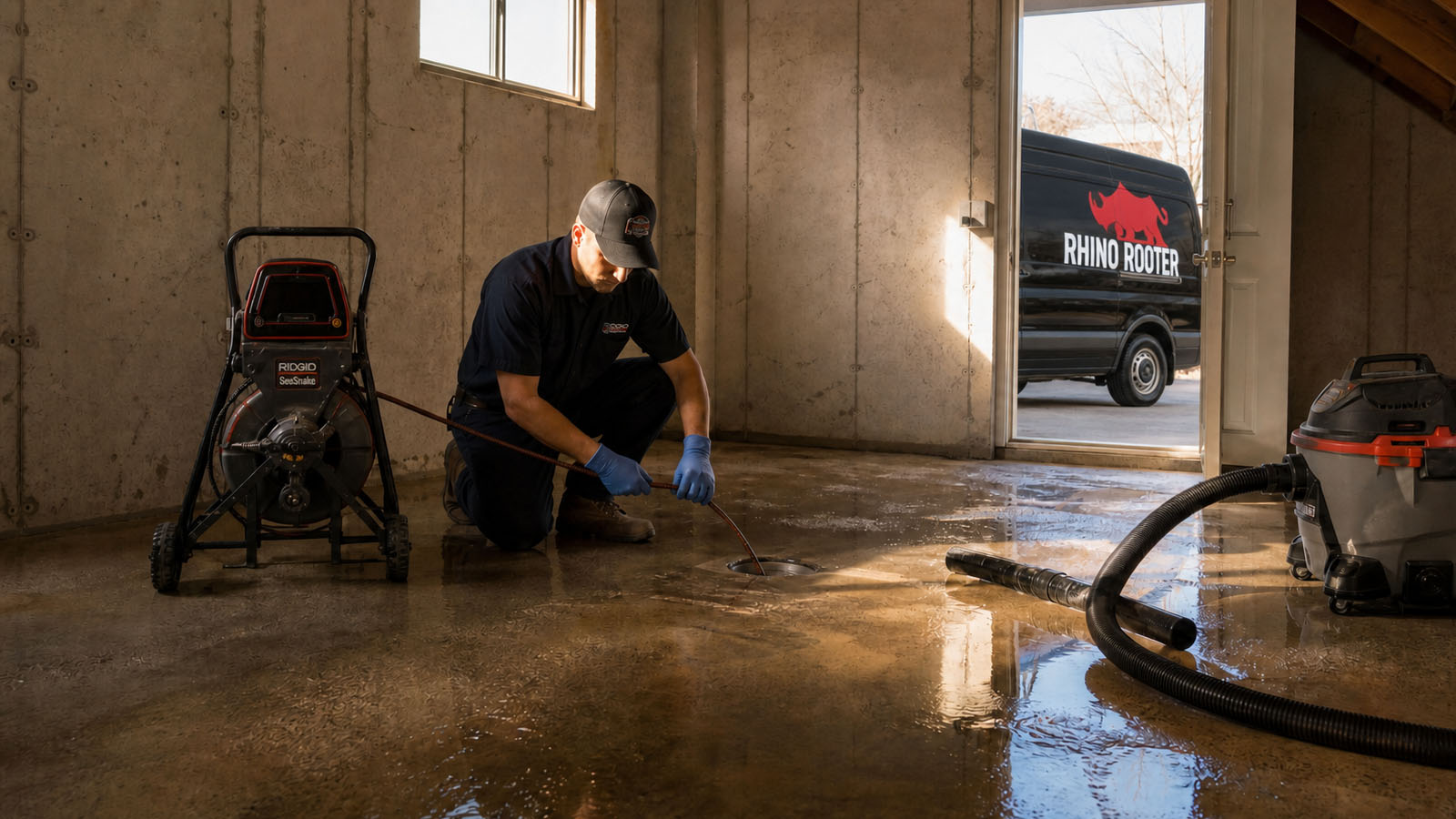
Get a Free Pipe Bursting Quote
A failed clay or cast iron sewer line does not have to mean a trench across your yard. Camera footage shows whether your line can be lined or needs full replacement, and pipe bursting delivers a brand-new HDPE line through two small pits. Contact Rhino Rooter today for a free, no-obligation quote.