
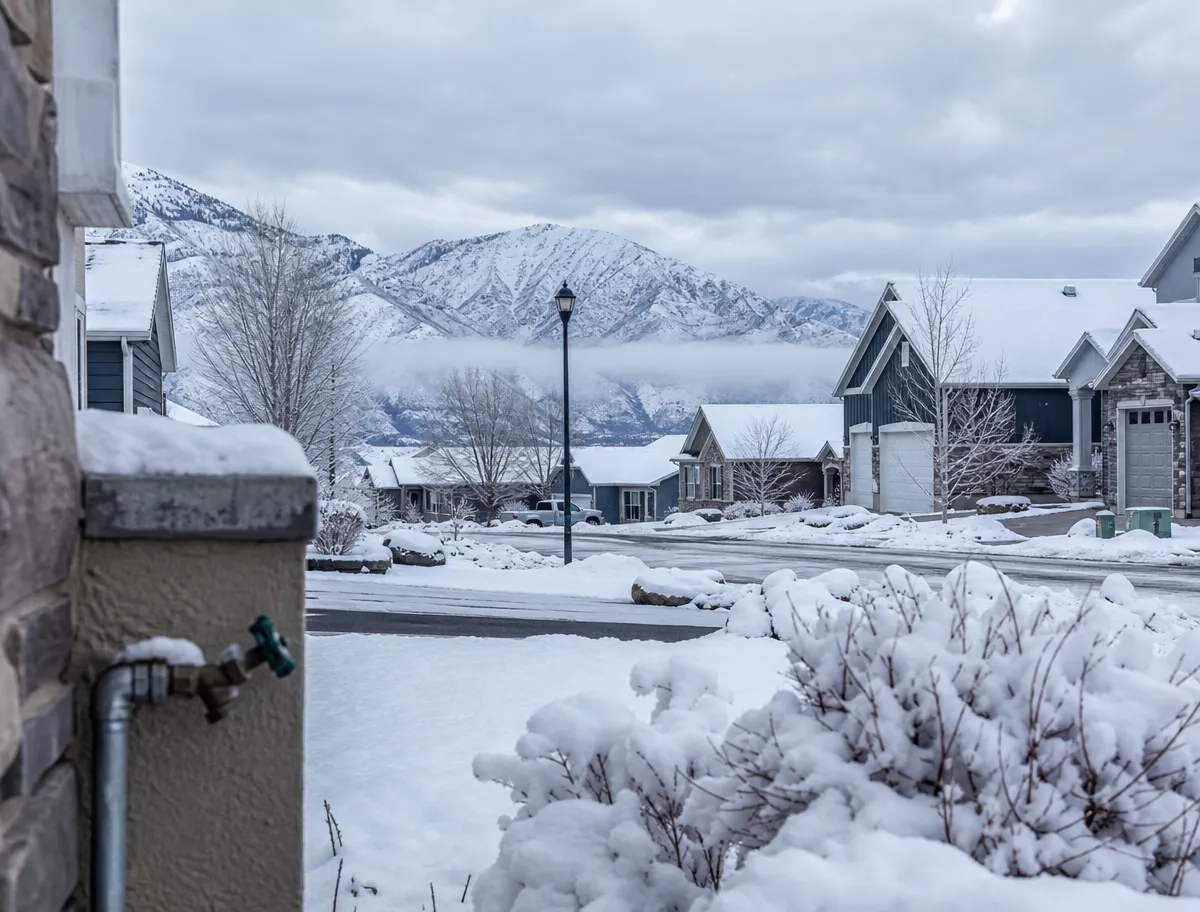
How Do You Prevent Frozen Pipes in Northern Utah?
Quick Answer: Frozen pipes Utah homeowners face happen when sustained sub-freezing temperatures cause water inside copper or PVC lines to freeze, expand, and crack the pipe wall — a single eighth-inch crack can release up to 250 gallons of water a day. Winter pipe damage Ogden residents report is largely preventable by insulating exposed pipes in crawl spaces, garages, and attics, sealing drafts, and letting faucets drip during hard freezes. If you suspect a frozen pipe, shut off the main water valve, avoid open flame, and call a qualified plumber for thawing and repair, or Rhino Rooter for camera-verified leak detection once the ice has caused a break.
Frozen pipes crack when temperatures in Northern Utah drop below 20°F, common from December through February in areas like Salt Lake City and Ogden.
Pipes in Salt Lake City regularly face temperatures below 20°F, risking freeze-related bursts that cost homeowners significantly in repairs. A mere eighth-inch crack releases up to 250 gallons of water daily. Insulating crawl spaces, attics, and garages before cold weather hits is essential prevention.
Frozen Northern Utah pipes crack when sub-zero cycles push ice against copper or PVC lines, sometimes releasing 250 gallons a day through a crack just an eighth-inch wide. We camera-inspect the break, then repair or reline it using trenchless CIPP pipe lining methods, avoiding excavation and restoring reliable water flow before real property damage sets in.
What Do You Need Before Winter Hits?
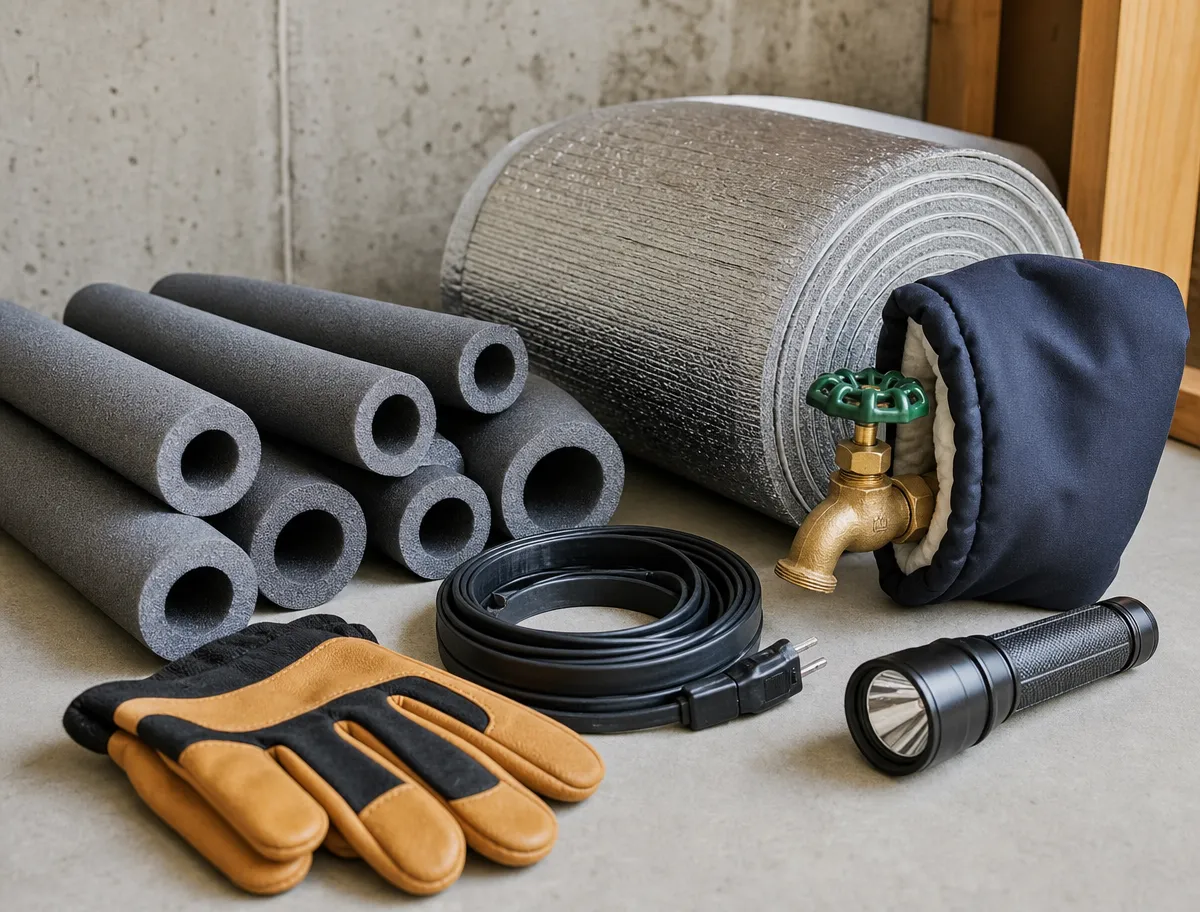 What pre-winter prep looks like
 Preparation determines whether Northern Utah homes survive the coldest months with dry basements or costly repairs. Salt Lake City area temperatures commonly fall below 20°F once winter fronts settle in. That kind of sustained freeze puts household plumbing under real strain. We treat pre-winter prep as the single highest-leverage step property owners across Ogden, Weber County, and the surrounding valleys can take.
Frozen pipes in Utah incidents rank among the most common causes of cold-season property damage, and repairs often run into significant expense per household, according to insurance industry figures. That price tag makes prevention far cheaper than remediation ever is. Before the first hard freeze arrives, we recommend completing the following steps in order:
Identify every exposed pipe running through crawl spaces, garages, unfinished basements, and attics.
Wrap those pipes in insulating sleeves or foam, since these unheated zones freeze first.
Seal drafts near pipe routes so cold air cannot reach plumbing lines directly.
Locate the main water shutoff valve and confirm it turns freely before an emergency happens.
Disconnect and drain exterior hoses so water cannot back into outdoor spigots.
Why Do Pipes Burst Overnight Specifically?
Pipes burst when water inside sits still or nearly still, a condition that typically develops overnight while fixtures sit unused for hours. Combined with sustained sub-zero cold, that stagnant water freezes, expands, and splits pipe walls from the inside out. We advise letting a faint trickle run on vulnerable lines during the coldest overnight stretches.
Winter pipe damage ogden claims spike sharply whenever these prerequisites get skipped. Insulation and shutoff-valve checks are non-negotiable groundwork, not optional extras, before temperatures drop for the season.
📞 Ready to Get Started?
If you already suspect a frozen or leaking pipe in your Weber County home, don't wait for a full burst. Contact Rhino Rooter today for camera-verified leak detection and trenchless repair options across Northern Utah.
Contact the crew →How Do You Spot a Frozen Pipe Early?
A weak trickle or complete silence at the faucet signals trouble brewing inside the wall. We treat this as the clearest early indicator of frozen pipes Utah homeowners face once overnight temperatures drop hard across Weber and Davis counties, including neighborhoods around North Ogden and Harrisville. Catching the problem at this stage saves walls, floors, and ceilings from real damage.
We ask clients to run through a quick diagnostic whenever a line acts sluggish during a cold snap:
Turn on every faucet in the house, one at a time, and note which ones produce no water or only a weak trickle.
Check exposed supply lines in crawl spaces, garages, and attics for frost or visible ice on the pipe exterior.
Feel the pipe near suspect fixtures — unusual cold spots or frost buildup on the metal point to a freeze in progress.
Listen for gurgling or banging sounds when a faucet runs, which often means trapped ice is restricting flow.
What Happens If a Frozen Pipe Goes Unnoticed?
Left alone, ice inside the line expands until the pipe wall gives way. A crack no larger than an eighth of an inch releases up to 250 gallons of water a day once it bursts, flooding floors and drywall before anyone in the home even realizes water is running.
Does Winter Pipe Damage in Ogden Show Warning Signs Before a Full Burst?
Yes. Homes across the Ogden area typically show reduced flow, frost on exposed piping, or odd faucet noises days before failure. Winter pipe damage Ogden residents report almost always traces back to one of these early symptoms going ignored during a hard freeze.
How Do You Stop Pipes From Freezing?
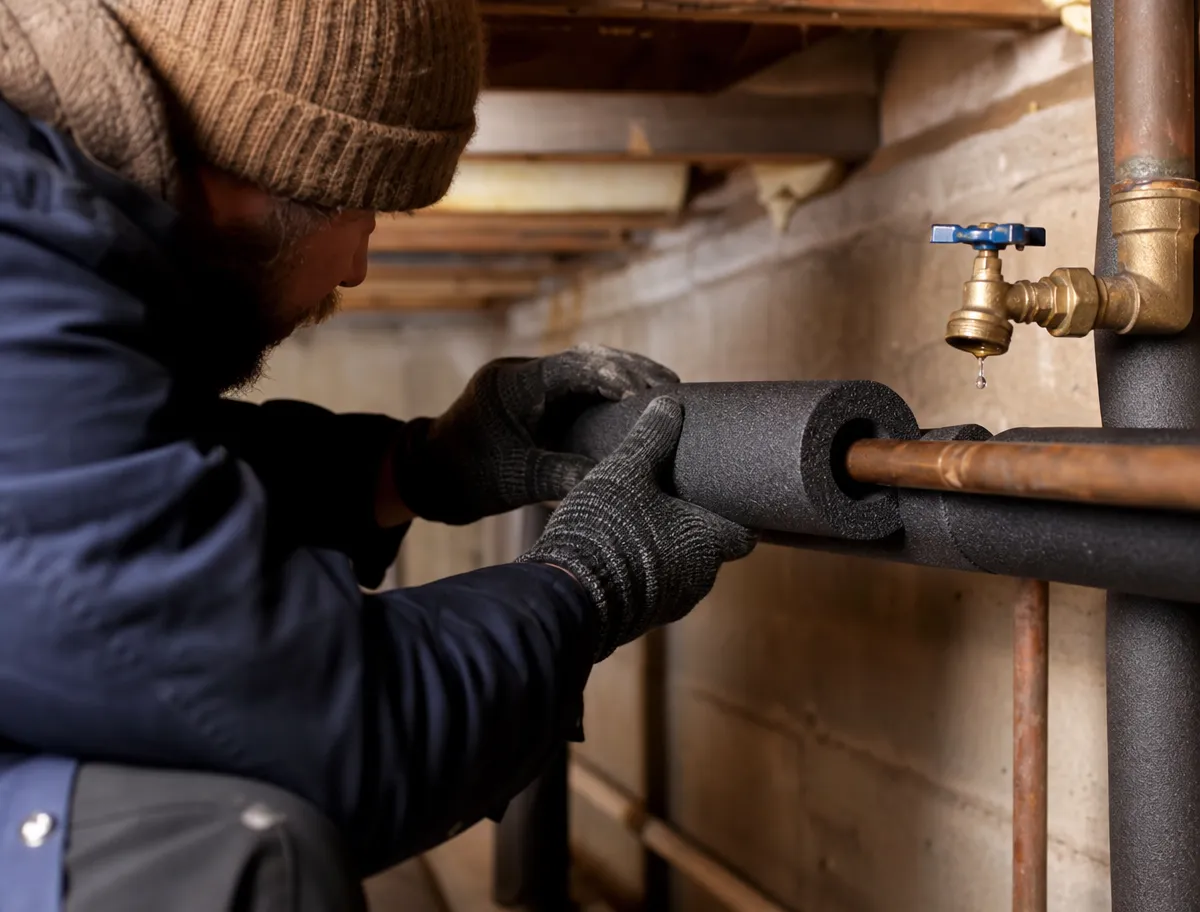 Sleeving an exposed line
 Stopping frozen pipes Utah homeowners dread starts with insulation, not luck. Crawl spaces, garages, and attics across Weber County hold the most exposed plumbing runs, and those lines freeze first when temperatures crash below zero. We treat these areas as priority one on every winter prep visit we run for Northern Utah properties, including Pleasant View and Plain City homes.
Follow these steps before the next hard freeze settles over the valley:
Locate exposed lines. Walk crawl spaces, unfinished basements, garages, and attics to find any pipe without wall protection.
Wrap with insulation. Apply pipe sleeves or wrap generously — heavier insulation coverage means stronger protection against sub-zero air.
Disconnect garden hoses. Remove hoses from every outdoor spigot before overnight lows drop.
Insulate hose bibs. Cover each outdoor faucet with an insulated cap to protect the short pipe segment just inside the exterior wall.
Why Do Garages and Attics Freeze First?
Garages, attics, and crawl spaces lack the ambient heat that warms living spaces, leaving pipes there directly exposed to outdoor air. A single uninsulated stretch in one of these zones can freeze even when the rest of the home's plumbing stays fine. We recommend inspecting these three areas first, along with common residential pipe materials prone to freezing. They cause the majority of winter pipe damage Ogden property owners report each season.
Does Insulation Thickness Actually Matter?
Yes — thin foam sleeves offer minimal defense once temperatures fall hard. Thicker, properly fitted insulation slows heat loss far longer, buying pipes extra hours during a prolonged cold snap. Rhino Rooter's technicians identify under-insulated sections during winter inspections across the Ogden area and recommend upgrades before a freeze turns into a costly burst.
What Do You Do If a Pipe Freezes?
Two conditions must line up before a pipe actually bursts: nearly motionless water sitting in the line, and sustained temperatures holding at 32°F or lower. Northern Utah's overnight cold snaps regularly meet both thresholds, especially in unheated crawlspaces and exterior walls. Recognizing that combination early is the difference between a quick fix and serious winter pipe damage in Ogden homes and beyond.
Once a freeze is suspected, order matters. Follow these steps in sequence:
Shut off the main water valve to stop pressure from building behind the ice blockage.
Open the nearest faucet slightly to relieve pressure and give melting water somewhere to go.
Call for a camera-verified diagnosis rather than guessing at the frozen section's location.
Avoid heat guns, blowtorches, or other open-flame tools near the suspect pipe — thawing and repair should be handled by a qualified plumber, not attempted with open flame.
Schedule trenchless repair right away if the line has already split.
We diagnose every suspected freeze with a camera-verified leak detection inspection first, then repair only what the inspection confirms. No exploratory cutting into walls or foundations.
How Fast Should You Call a Plumber After a Suspected Freeze?
Speed matters more than most homeowners realize. Property damage from frozen pipes in Utah climbs quickly once ice thaws unchecked. Repair costs commonly climb substantially once flooding sets in. The American Red Cross recommends acting quickly during extreme cold events, and calling within the first hours of noticing reduced water flow, frost on exposed piping, or unusual odors from a drain keeps the problem contained to a single fix rather than a full remediation job.
Waiting rarely pays off. A pipe that's frozen but intact today can split by morning if outdoor temperatures stay below freezing overnight.
What Mistakes Cause the Most Winter Pipe Damage?
Three habits cause most frozen pipes Utah homeowners deal with each winter: still water overnight, unprotected hose bibs, and bare pipes in unheated spaces. Each mistake seems minor until a cold snap turns a quiet night into a burst line and a flooded floor.
Why Does Letting Water Sit Still Overnight Cause Pipes to Freeze?
Water that stops moving loses the slight warmth that circulation provides. Overnight, when outdoor temperatures drop hardest and nobody runs a faucet, still water inside a pipe cools fastest and freezes first. The Utah State University Extension advises a slow drip from at least one faucet on especially cold nights to keep water moving through vulnerable lines.
Two other oversights compound the risk:
Skipping hose disconnection. Leaving garden hoses attached traps water in the spigot line, and an un-insulated outdoor faucet freezes fast once temperatures fall. Detach every hose and insulate all hose bibs before the season's first hard freeze.
Ignoring exposed pipes. Crawl spaces, garages, and attics rarely get heated, yet pipes running through them often go bare. Wrapping these lines in insulation closes the gap between a protected system and one prone to winter pipe damage in Ogden homes.
Three Habits That Cause Most Burst Pipes
| Common Mistake | Result |
|---|---|
| Still water overnight | Faster freeze, higher burst risk |
| Uninsulated hose bibs | Cracked spigots, indoor leaks |
| Bare pipes in cold zones | Freeze-related pipe failure |
When prevention falls short and a line cracks anyway, a trenchless-first, camera-verified repair approach, built on 23 years serving Weber County and the Ogden area, restores service without excavating the yard.
Frozen and cracked pipes represent one of Northern Utah's most serious winter challenges, yet they remain preventable with proper preparation and swift action. By understanding how freezing temperatures damage your plumbing system and recognizing the warning signs of trouble, you protect your home from costly water damage and service disruptions. When problems do occur, professional trenchless solutions offer reliable repairs that restore your system's integrity without extensive excavation. Taking these steps now ensures your pipes survive the harsh winter months ahead.
Frozen Pipes at a Glance
Salt Lake City and Northern Utah temperatures drop below 20°F during winter months, creating significant pipe freezing risks.
A single eighth-inch crack in pipes releases up to 250 gallons of water daily.
Frozen pipes rank among the most common causes of winter property damage nationwide.
Insulating exposed pipes, sealing drafts, and disconnecting hoses before the first freeze prevents most damage.
Never use open flame to thaw a pipe — thawing and repair require a qualified plumber, and leak locating after a break is Rhino Rooter's role.
Next step: Contact Rhino Rooter for camera-verified leak detection if you suspect a frozen or already-burst pipe in your Northern Utah home.
About Rhino Rooter
Rhino Rooter has served Ogden, Weber County, and the surrounding Northern Utah communities for 23 years, specializing in drain cleaning, hydro jetting, sewer camera inspection, and trenchless CIPP pipe lining. Contact Rhino Rooter today for a free, no-obligation quote on leak detection or pipe repair.
Contact the crew →Frequently Asked Questions
How Much Does Frozen Pipe Damage Typically Cost to Repair?
Frozen pipe repairs can run into significant expense per household, according to insurance industry figures, making pre-winter prevention far cheaper than remediation once a pipe actually bursts.
How Much Water Leaks From a Cracked Pipe?
A single eighth-inch crack releases up to 250 gallons of water daily, causing significant property damage before homeowners notice the problem.
How Do You Tell if a Pipe Has Frozen?
A weak trickle or complete silence at the faucet signals a frozen pipe, especially after overnight temperatures drop hard across Weber and Davis counties.
Can I Use a Hair Dryer or Open Flame to Thaw a Frozen Pipe Myself?
Open flame tools like blowtorches or heat guns are dangerous near pipes and fall outside safe do-it-yourself repair. Thawing and repairing a frozen pipe should always be handled by a qualified plumber.
Who Do You Call After a Frozen Pipe Bursts in Northern Utah?
A qualified plumber handles thawing and repair of the frozen section, while Rhino Rooter provides camera-verified leak detection to confirm the exact location and extent of the break before repair begins.
Get a Free Leak Detection Quote
Preparing your Northern Utah home before the first hard freeze is the cheapest insurance against winter pipe damage. If a pipe has already frozen or burst, Rhino Rooter's camera-verified leak detection pinpoints the break fast so a qualified plumber can complete the repair without guesswork or unnecessary excavation. Contact Rhino Rooter today for a free, no-obligation quote.