
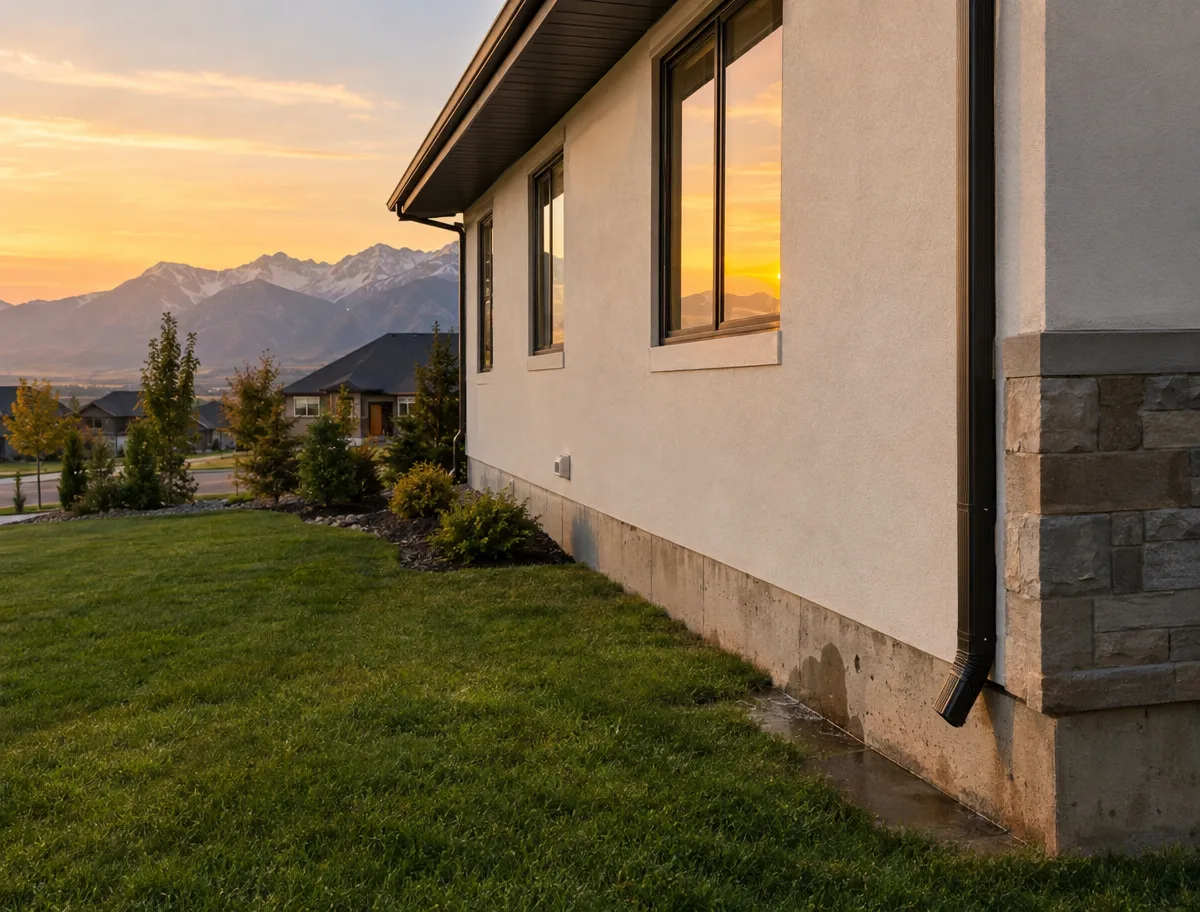
What Is Slab Leak Detection in Utah, and What Warning Signs Should Homeowners Watch For?
Quick Answer: Slab leak detection Utah homeowners rely on identifies a hidden water-line leak beneath a home's concrete foundation before it causes major damage. Warning signs include unexplained water-bill spikes, warm or damp floor spots, musty odors, cracked tile, and the sound of running water when every fixture is off. Common causes include corroded pipes, aggressive water chemistry, and the soil movement and freeze-thaw cycles common across Northern Utah. Rhino Rooter locates the exact leak using acoustic, thermal, and electronic tools, without exploratory digging; a qualified plumber then completes the repair.
What Should Homeowners Take Away About Slab Leak Detection in Utah?
What Should You Know Before Detecting a Slab Leak?
A slab leak develops beneath the concrete foundation of a Northern Utah home, often in a hot or cold water line running through the slab itself. Damage builds quietly at first, then escalates into cracked flooring, mold growth, and structural stress on the foundation. Waiting costs Northern Utah homeowners far more than acting early. A slow leak under the slab rarely announces itself with a burst pipe or obvious flood.
We treat slab leak detection Utah homeowners rely on as a diagnostic process, not a guessing game. Before starting, we confirm two things: whether the affected line carries hot or cold water, and whether the slab shows any surface changes like warmth, cracking, or dampness. Both factors change which trenchless-first leak location tools and pipe types make sense for a Weber County property.
How do we confirm a slab leak before digging?
We start with the least invasive step first. Our approach follows this sequence:
Review the water bill trend and note any spike unrelated to usage changes.
Check for warm patches on flooring, which often signal a hot-line leak.
Listen for running water sounds when every fixture in the house sits closed.
Bring in camera and trenchless diagnostic tools before any excavation begins.
Why does a slab leak stay hidden for so long?
Concrete muffles sound and traps moisture, so a leak can run for weeks before symptoms surface. Homeowners across Ogden, Roy, and North Ogden often notice the utility bill first, long before they see a wet spot. That delay is exactly why Rhino Rooter's Northern Utah team focuses on precise, trenchless-first leak location, giving properties an early, accurate read on what's happening under the slab before any repair decision is made.
What Warning Signs Point to a Slab Leak?
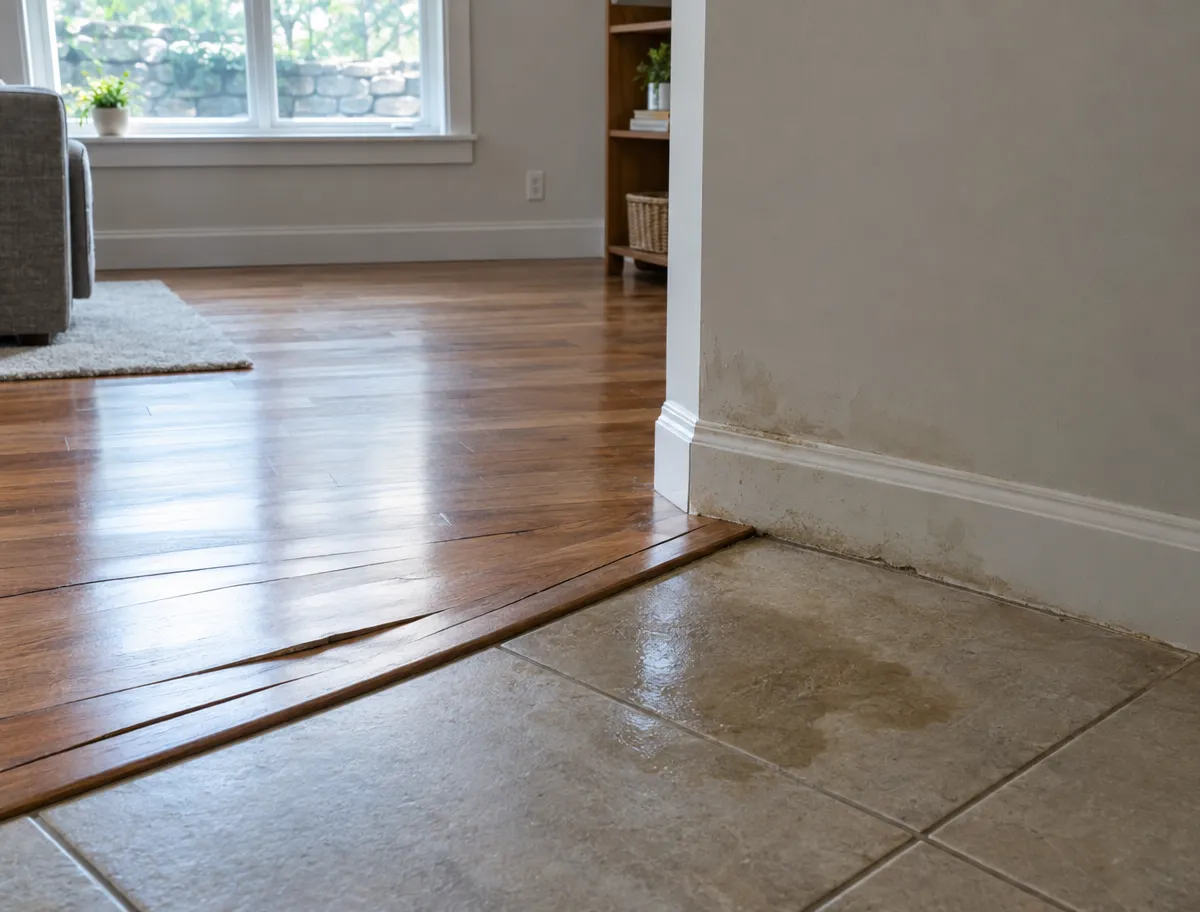 Warped boards, damp tile, stained baseboard
 Four signals point to a leak hiding beneath a Northern Utah slab: a water bill that climbs for no reason, warm or damp patches on the floor, a musty smell in rooms that shouldn't be wet, and the sound of running water when every fixture in the house sits off. We treat these as red flags across our Weber County service area, not minor annoyances. Catching them early is the difference between a targeted repair and a torn-up foundation.
Slab leak detection Utah starts with watching household patterns most homeowners never think twice about. A sudden spike in the monthly bill, with no new appliance and no change in habits, usually means water is escaping somewhere in the line. Warm spots near a water heater closet or bathroom floor often point to a hot-water line leaking directly under the slab. Damp carpet or discolored tile in the same areas backs up that suspicion.
Why do I hear water running when nothing's on?
Running or hissing water with every faucet closed almost always means a pipe under the concrete is leaking. Sound travels through slab foundations, so a hiss near the kitchen doesn't necessarily mean the leak sits there.
Can a small leak really waste that much water?
Yes. National data from the EPA shows that 10% of homes leak 90 or more gallons a day, often with no obvious puddle in sight. That volume adds up fast under a slab, softening soil and stressing the foundation before homeowners notice.
Musty odors round out the list. A smell with no visible mold nearby often means moisture is trapped below the flooring; EPA guidance on mold and moisture explains why that trapped moisture is worth taking seriously.
What Causes Slab Leaks in Northern Utah Homes?
A slab leak develops when a water pipe running beneath a home's concrete foundation starts to fail. Water escapes underground, often for months, before any sign reaches the surface. We built our approach to slab leak detection Utah homeowners rely on around this exact problem: catching damage that hides beneath the slab before it spreads.
The source of the leak matters as much as the leak itself. Freshwater supply lines and sewer lines both run under the foundation, and either type can crack, corrode, or shift over time. Left unaddressed, either failure threatens the home above it.
Are older homes in Northern Utah more likely to have a slab leak?
Age raises the risk considerably. Homes built decades ago across Weber County and other Northern Utah communities often carry original copper or galvanized piping that has spent years corroding under constant soil pressure and moisture. Newer construction is not exempt, though. Shifting soil, freeze-thaw cycles common along the Wasatch Front, and installation stress can crack even recently poured slabs.
Can a slab leak damage my home's foundation?
Yes, and the damage compounds the longer water keeps flowing. Continuous water exposure saturates the concrete, causing it to swell, shift, or crack outright. Once the slab itself starts moving, the home's structural integrity comes into question, and repair costs climb well beyond what a simple pipe fix would have required.
Common contributors we see on service calls include:
Corroded copper or galvanized supply lines original to older Northern Utah homes
Aggressive water chemistry that speeds up pipe corrosion — homeowners can review regional water-quality data through the Utah Division of Water Resources
Soil movement and freeze-thaw cycling that stresses pipes beneath the slab, tied to the problem soils and expansive-soil hazards documented across Utah
Abrasion where pipes rub against concrete or rebar during ground settling
Sewer line deterioration from tree root intrusion or aging materials
Ignoring any of these causes rarely resolves the underlying pressure building beneath the floor.
📞 Ready to Get Started?
Don't wait for a slab leak to spread beneath your Northern Utah home. Contact Rhino Rooter today to schedule a professional slab leak detection scan.
Schedule a detection scan →How Do Professionals Detect a Hidden Slab Leak?
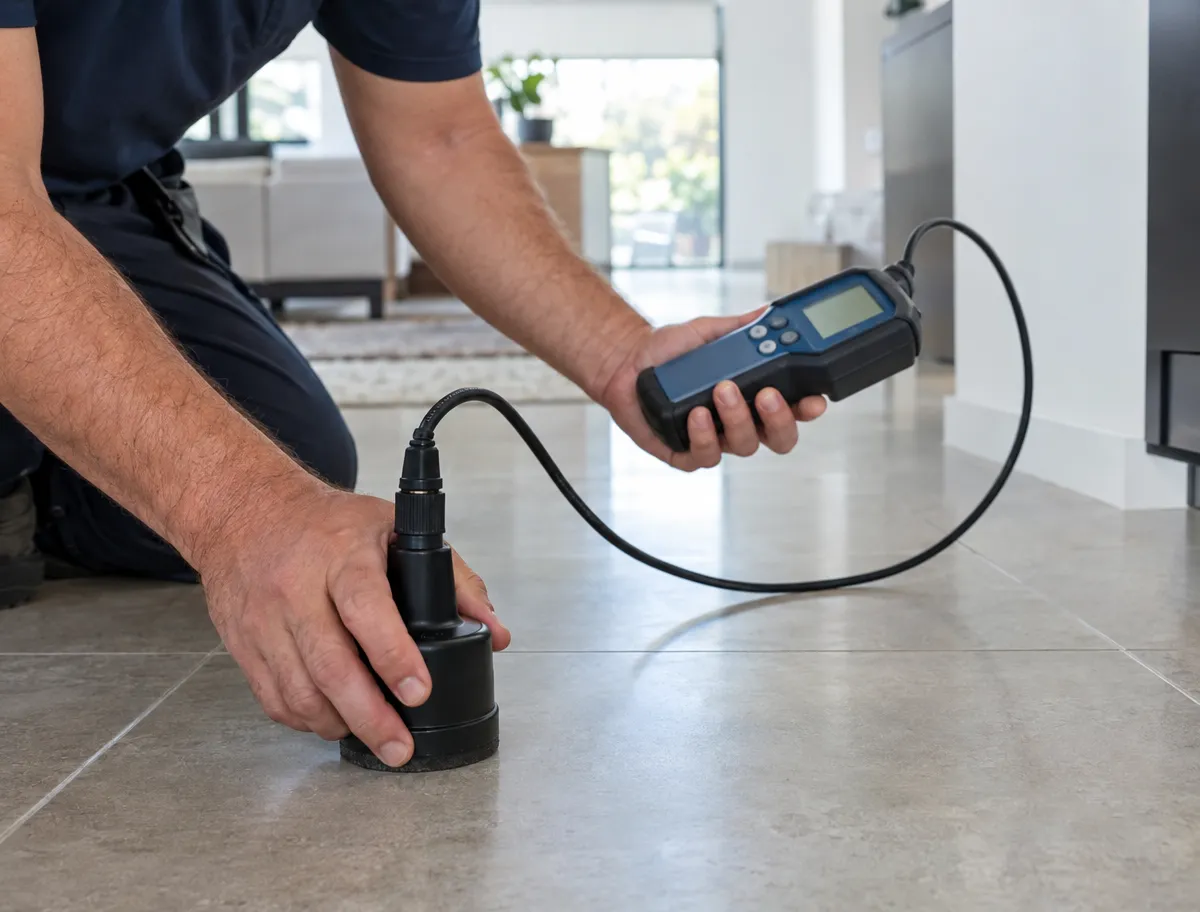 Listening through the concrete, not breaking it
 Trained technicians locate a hidden leak beneath a Northern Utah foundation using three non-invasive tools: acoustic listening devices, thermal imaging cameras, and electronic line tracing. Slab leak detection Utah homeowners can rely on skips the guesswork and the demolition. No jackhammers, no blind guessing at which corner of the slab to open up.
Each tool answers a different question about what's happening under the concrete. Acoustic devices amplify the faint hiss of water escaping a pressurized line. Thermal cameras read temperature shifts across the slab surface. A hot water line leak often shows up as a warm patch on tile or concrete floors. Electronic line tracing maps the pipe's actual path, so the crew knows exactly where the line runs before opening anything. Combined, these methods pinpoint the leak's location without digging up rooms that have nothing to do with the problem.
What happens after the leak is located?
We inspect the line with a camera, mark the exact leak location, and document the findings in a written report you can hand directly to a qualified plumber. Rhino Rooter's job is finding and confirming the leak — nothing about the repair itself gets decided until a Weber County homeowner has that diagnosis in hand.
Do technicians dig up the whole foundation to fix it?
Rarely, and it isn't Rhino Rooter's call to make. Our process diagnoses every job with a camera first, marking the exact leak location without guesswork. The physical repair — trenchless or open-cut — is then completed by a qualified plumber, who decides the approach based on pipe material, depth, and access. That handoff protects landscaping, driveways, and finished flooring across Ogden, Roy, North Ogden, and other Weber County communities.
| Tool | What It Detects |
|---|---|
| Acoustic listening device | Sound of pressurized water escaping a pipe |
| Thermal imaging camera | Temperature changes from hot or cold water lines |
| Electronic line tracing | Exact pipe route beneath the slab |
What Steps Follow a Confirmed Slab Leak Diagnosis?
Four considerations follow a confirmed diagnosis, and the pipe's location determines which repair path fits. Homeowners across Northern Utah's slab-foundation neighborhoods lose control of the timeline the longer a leak sits undiagnosed, so moving from confirmation straight to a repair decision protects both the foundation and the budget.
Once slab leak detection Utah technicians pinpoint the exact break, Rhino Rooter hands the documented findings to the homeowner to bring to a qualified plumber, who walks through the repair options before any concrete gets touched.
Review the camera and leak-detection findings with your qualified plumber, confirming pipe material, depth, and the exact leak location.
Ask whether the pipe qualifies for a trenchless fix — methods like CIPP pipe lining or spot repair can replace full excavation wherever the line allows it.
Compare repair paths with the plumber: under-slab tunneling from outside the home, trenchless epoxy lining, wall or attic re-routing, or breaking through the concrete when no other option applies.
Confirm the qualified plumber camera-verifies the repaired line before backfilling or restoring flooring.
Does Rhino Rooter Repair Slab Leaks, or Only Locate Them?
Rhino Rooter's role stops at detection. Our family-run, trenchless-first team has served the Ogden and Weber County area of Northern Utah since 2003, using acoustic, thermal, and electronic tools to locate a slab leak precisely — never guessing, never opening up floors to search for it. Once the leak is marked and documented, the physical repair is completed by a qualified plumber, who selects the method based on pipe material, depth, and access. Keeping detection and repair as separate, specialized steps protects homeowners across Weber County and nearby Northern Utah communities like Ogden, Roy, North Ogden, and Brigham City from paying for guesswork.
Slab Leak Detection in Utah at a Glance
A hidden slab leak usually shows up first as a climbing water bill, not a puddle.
Warm or damp floor spots, cracked tile, and musty odors in dry rooms are the most common physical warning signs.
Corroded copper or galvanized pipes, aggressive water chemistry, and Utah's soil movement and freeze-thaw cycles are the leading causes.
Acoustic listening devices, thermal imaging, and electronic line tracing let technicians locate a leak without demolishing floors.
Rhino Rooter handles detection and locating only — the physical repair is completed by a qualified plumber.
Next step: Schedule a professional slab leak detection scan with Rhino Rooter before a small leak becomes a foundation problem.
About Rhino Rooter
Rhino Rooter is a family-run, trenchless-first sewer and drain company that has served the Ogden and Weber County area of Northern Utah since 2003. The team specializes in slab leak detection and locating, sewer camera inspection, drain cleaning, and hydro-jetting for homeowners throughout Ogden, Roy, North Ogden, and neighboring Weber County communities. Contact Rhino Rooter today for a free detection quote.
Contact the crew →Frequently Asked Questions
What are the main warning signs of a slab leak?
A climbing water bill with no usage change, warm or damp floor patches, musty odors in dry rooms, and running water sounds when all fixtures sit closed all point to a hidden slab leak in Northern Utah homes.
What causes a slab leak?
Slab leaks stem from corroded copper or galvanized pipes, aggressive water chemistry, and soil movement or freeze-thaw cycling that stresses hot or cold water lines running through the concrete slab beneath Northern Utah homes.
How do professionals detect a slab leak without digging?
Professionals review water bill trends, check for warm flooring patches, listen for running water with fixtures closed, then use acoustic listening devices, thermal imaging, and electronic line tracing to pinpoint the leak before any excavation begins.
Does Rhino Rooter repair slab leaks, or only detect them?
Rhino Rooter's role is detection and locating only. Once a leak is marked and documented with acoustic, thermal, and electronic tools, the physical repair is completed by a qualified plumber, who selects the repair method based on pipe material, depth, and access.
How quickly should I act on a suspected slab leak in Northern Utah?
As soon as possible. Slab leaks rarely announce themselves with a flood, so acting on an early sign, such as a climbing water bill or warm flooring, limits how much water is wasted and how far damage spreads through the soil and foundation before a qualified plumber can repair it.
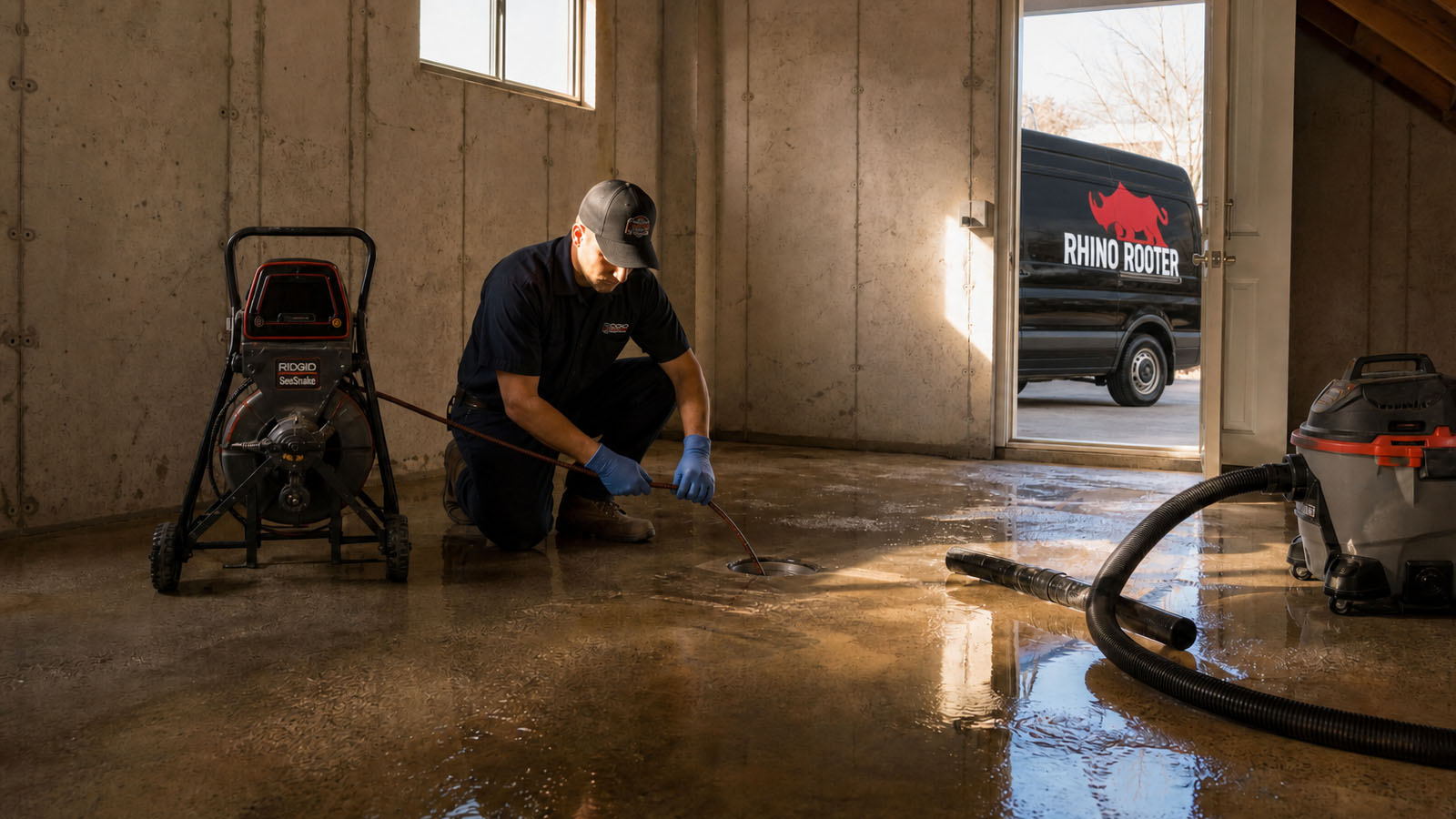
Get a Free Slab Leak Detection Quote in Northern Utah
Slab leaks rarely announce themselves loudly, but the signs are there before major damage sets in — a climbing water bill, warm flooring, a musty smell, or hairline cracks that shouldn't be there. Rhino Rooter's Northern Utah team pinpoints the leak's exact location using acoustic, thermal, and electronic tools, then hands you a documented report to bring straight to a qualified plumber for repair. Contact Rhino Rooter today for a free, no-obligation slab leak detection quote.