
How Long Does Trenchless Repair Time Really Take?
Trenchless sewer repair time shifts with the method, the damage and the job site — but most CIPP lining and pipe bursting jobs wrap up in hours rather than the days a dug replacement needs.
Most Residential Jobs Finish In One Visit
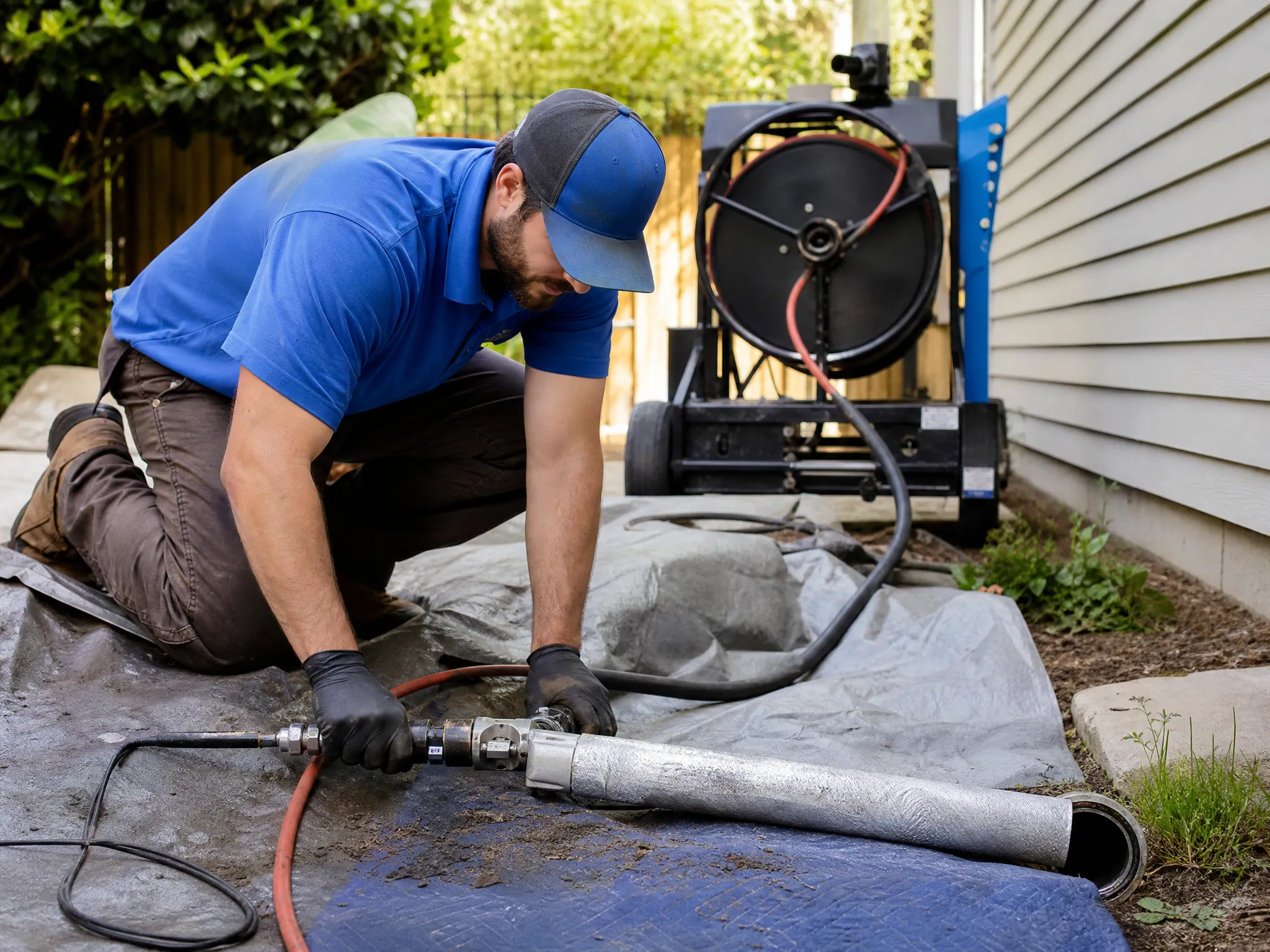
Trenchless repair time for most residential sewer jobs is a single visit. CIPP pipe lining typically takes 4–8 hours including camera diagnosis, cleaning, lining and cure time, while pipe bursting usually runs 3–6 hours for a standard lateral. Full main-line jobs or commercial properties can take 1–2 days.
The exact trenchless repair time depends on pipe length, the number of access points, whether pre-job hydrojetting is needed, and soil conditions — against traditional excavation, which often takes 3–5 days or more for the same repair. Rhino Rooter confirms your timeline with a camera inspection before any work begins.
What Sets Your Repair Timeline
What Makes Trenchless Repair Faster Than Traditional Methods?
 No trench needed
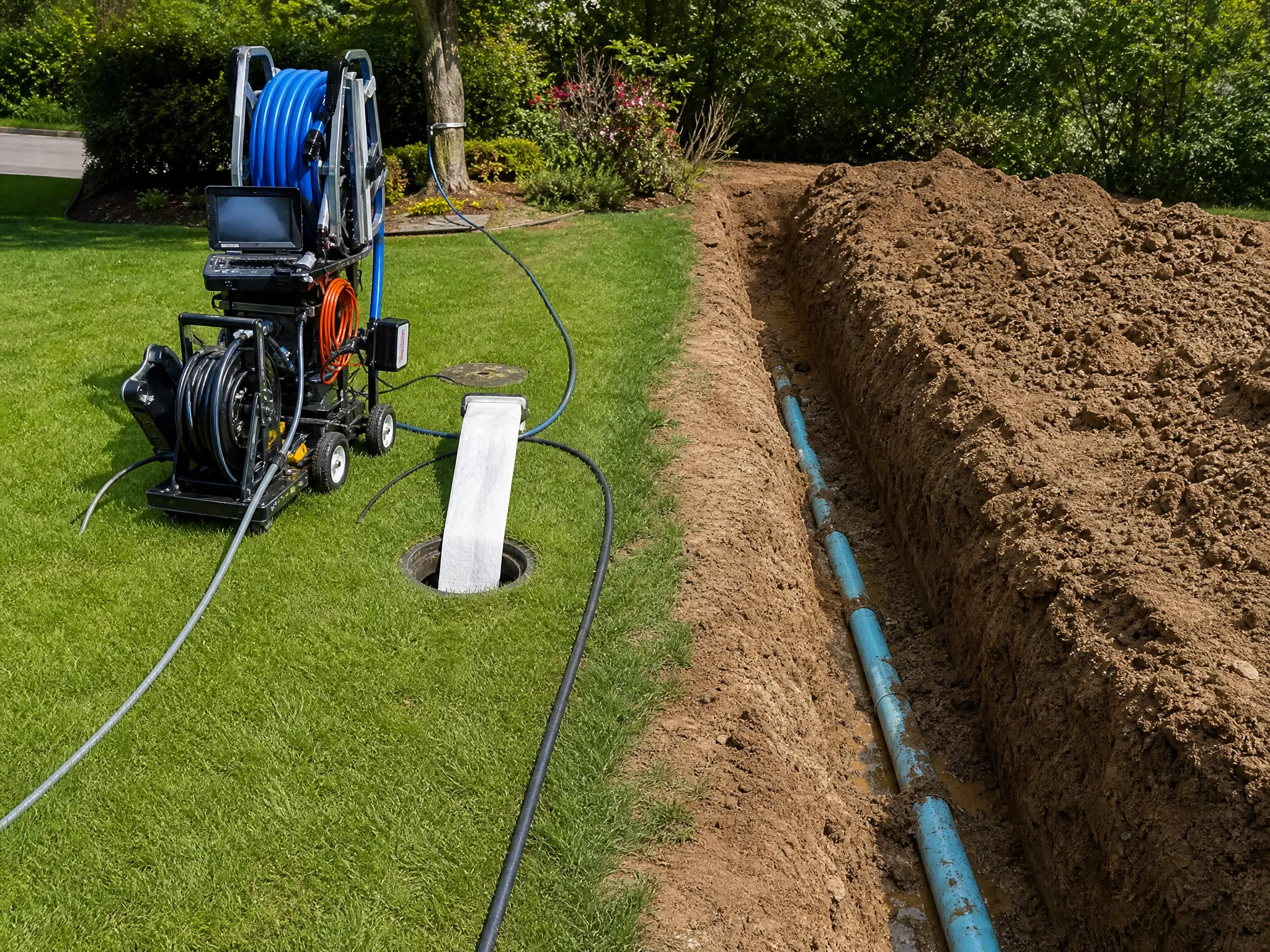
 Trenchless repair time is dramatically shorter than traditional excavation because trenchless methods fix underground pipes from the inside out, removing the need to dig up your yard. Traditional sewer replacement requires crews to excavate a full trench along the pipe's path — a process that adds days of labor before any actual pipe work begins.
With trenchless technology, we skip that step entirely. No trench means no waiting on heavy equipment to tear through landscaping, driveways or hardscaping. The pipe gets rehabilitated directly, and the job moves faster at every stage.
What trenchless methods does Rhino Rooter use?
Rhino Rooter applies three core trenchless repair methods: pipe lining, pipe bursting, and epoxy solutions. Each targets a different kind of damage, and all three share the same advantage — minimal digging, maximum efficiency. Pipe lining rehabilitates the existing pipe from within. Pipe bursting fractures the old pipe and pulls a new one into place in the same pass. Epoxy solutions seal cracks and corrosion without any excavation at all.
How does skipping excavation speed up the overall process?
Traditional trench-based replacement requires digging, pipe removal, backfilling and surface restoration — four separate phases that compound the timeline. Trenchless repair collapses those phases into one focused operation. Here is a direct comparison:
Traditional Excavation vs. Trenchless Repair
| Factor | Traditional Excavation | Trenchless Repair |
|---|---|---|
| Digging required | Extensive trenching | Minimal access points |
| Landscape disruption | High | Low |
| Phases of work | 4+ sequential stages | 1–2 focused stages |
| Overall speed | Slower | Significantly faster |
Trenchless methods are engineered to reduce disruption and accelerate recovery — which is exactly why we rely on them as our primary repair approach.
How Long Does Trenchless Repair Actually Take?
Trenchless repair time varies with the method used, the extent of the pipe damage and site conditions — not weeks of disruption.
Minor issues typically resolve in a few hours. Full pipe replacements run longer. Compare either against traditional excavation, which stretches considerably further and leaves your yard looking like a construction zone in the process.
Trenchless vs. Traditional Timelines
| Repair Scenario | Trenchless Timeline | Traditional Timeline |
|---|---|---|
| Small crack or blockage | A few hours | 1–2 days |
| Partial pipe repair | 1 day | 2–3 days |
| Full pipe replacement | Up to 2 days | 3+ days |
What factors affect how long sewer lining takes?
How long sewer lining takes depends on three variables: the severity of the damage, the length of pipe being treated, and ground conditions at the job site. A short residential line with a single failure point moves faster than a longer commercial run with multiple problem areas. Our crew assesses all three during the initial camera inspection before work begins.
Does trenchless repair really finish in one visit?
Many trenchless jobs — pipe lining and pipe bursting especially — are completed in a single mobilization. Curing times for lining materials add a few hours to the process, and that work happens underground while the surface stays intact. We schedule jobs to keep the window your plumbing is offline as short as possible, so normal household or business operations resume quickly.
Ready to Get Started?
Don't wait to find out your trenchless repair time — a delayed sewer line only gets worse. Contact Rhino Rooter today for a free, camera-verified estimate in Weber County.
Get a free estimate →What Factors Can Extend Your Trenchless Repair Timeline?
 We camera first
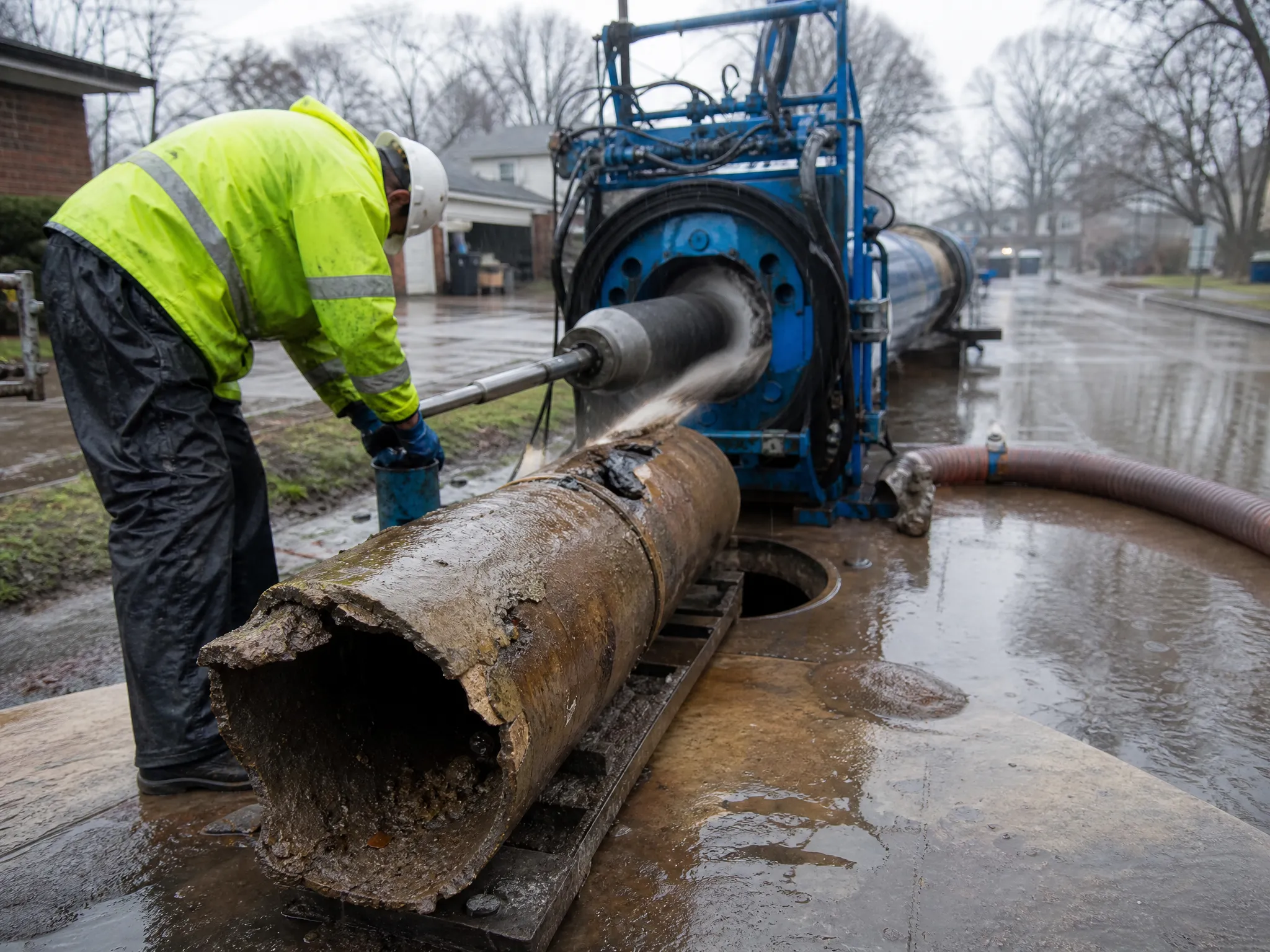
 Several site-specific conditions can push trenchless repair time beyond a typical repair window. Complex underground conditions and access challenges are the most common culprits — and ignoring them upfront is what leads to costly mid-job surprises.
These are the four delay drivers we run into most:
Complex underground conditions — buried utilities, rock formations or unexpected voids that need additional assessment before work begins
Permit wait times — municipal approvals that must be secured before any ground disturbance, regardless of method
Local weather and soil conditions — saturated or frozen ground slows equipment access and curing times
Pipe material and age — older properties may carry cast iron or vitrified clay sewer systems, which add complexity during trenchless rehabilitation
Does the age of a property affect how long sewer lining takes?
Pipe material matters more than most homeowners expect. Cast iron and vitrified clay pipes — common in Weber County's oldest properties — need more thorough preparation before a liner can bond properly, and that preparation adds time to the overall job.
Can ground conditions in newer neighborhoods cause delays?
Newer residential developments carry their own complications. Ground beneath recently built homes takes years — sometimes decades — to fully consolidate. That settling creates pipe bellying, joint separation and sag points that complicate trenchless access and may call for additional diagnostic steps before lining or bursting begins.
Understanding how long sewer lining actually takes means accounting for all of these variables before the crew arrives. We assess every job site thoroughly so our timeline estimates reflect real conditions — not best-case assumptions.
How Long Until Your Property Returns to Normal?
Trenchless repair time delivers a faster return to normal than most homeowners expect — but "normal" means different things for different parts of your property. Plumbing restoration, driveway usability and landscaping recovery each follow their own timeline.
Traditional excavation tears up yards, cuts through hardscaping and leaves properties looking like active construction zones. In Weber County communities where custom landscaping and mature trees define curb appeal, that disruption compounds into serious restoration costs on top of the repair bill itself. Trenchless methods exist specifically to avoid that outcome.
Rhino Rooter's no-excavation approach fixes pipes from the inside out, leaving the surface above largely undisturbed. Less digging means less to restore.
What recovers fastest after trenchless sewer repair?
Plumbing function returns first. In most cases water service resumes within hours of the liner curing or the burst pipe being replaced, and daily routines — showers, laundry, dishwashing — pick back up almost immediately.
Driveways and hardscaping recover next, typically within a day or two. Trenchless work needs only small access points rather than full-length trenches, and the difference against traditional excavation is significant.
Does trenchless repair protect landscaping?
Trenchless techniques are designed to minimize disruption to lawns, garden beds and tree root systems. Because crews avoid open trenching across the yard, established plantings stay intact. Weighing how long sewer lining and pipe bursting protect your landscape against what traditional excavation costs in restoration work is often what convinces Weber County homeowners to choose the trenchless route from the start.
Why Choose Rhino Rooter for Trenchless Sewer Repair?
Rhino Rooter brings 23 years of hands-on trenchless experience to every job in West Haven, Weber County and across the Wasatch Front. That depth of field experience means faster diagnosis, fewer surprises, and repairs that hold.
Trenchless repair time is one of the first things homeowners and businesses ask about. We keep it short — and we keep it honest.
What makes Rhino Rooter different from other trenchless contractors?
We respond fast, diagnose accurately, and fix sewer issues right the first time. That commitment applies equally to residential and commercial clients — a backed-up sewer line costs both groups money with every hour it goes unresolved.
Our approach is built on three non-negotiables:
Fast response — we get to the problem before it compounds
Accurate diagnosis — a camera inspection before any work begins
First-time fixes — no return visits, no repeat excavation
How long does sewer lining take with Rhino Rooter?
Understanding how long sewer lining takes starts with an honest assessment of your specific pipe condition. Our crews move efficiently without cutting corners on quality, and we give you a real timeline estimate based on what the camera actually shows.
We deliver fast, dependable and affordable drain and sewer solutions built to stand the test of time — not to pass a pressure test today and fail next season. Free estimates, no obligation, no pressure, and honest answers every time.
Trenchless sewer repair is a genuine advance in how property owners deal with underground pipe damage: faster completion, far less disruption to the landscape, and a repair that restores full system function for decades.
See trenchless repair costs by method →TL;DR — Trenchless Repair Time
Trenchless repair time depends on the method used, damage severity and job-site conditions.
CIPP lining cures in a matter of hours and often finishes in a single visit.
Pipe bursting typically wraps up in one mobilization.
Full pipe replacements rarely run past a couple of days — far faster than multi-day excavation.
Small access points mean your plumbing, driveway and landscaping return to normal faster, with far less to restore.
Next step: contact us for an accurate, honest trenchless repair time estimate for your property.
About Rhino Rooter
Rhino Rooter has served West Haven and Weber County for 23 years, specializing in trenchless sewer and drain repair — including CIPP pipe lining, pipe bursting, hydro jetting and camera inspection. Call (435) 225-5678 for a free, no-obligation quote.
Contact the crew →Frequently Asked Questions
How long does trenchless sewer repair take?
Most residential jobs finish in a single visit — CIPP lining typically runs 4–8 hours and pipe bursting 3–6 hours for a standard lateral, while full main-line or commercial jobs can take 1–2 days. Duration varies with damage severity, pipe length and site conditions, so we confirm your timeline with a camera inspection before any work begins.
How long does CIPP lining take to cure?
CIPP (cured-in-place pipe) lining is one of the fastest trenchless repair methods available, with curing times typically adding only a few hours to the overall job rather than days. The liner is installed through small access points and cures underground while the surface above stays intact, so plumbing service can often resume within hours of the material setting. We schedule CIPP lining jobs to keep the window your plumbing is offline short, and our crews assess pipe length, damage severity and site conditions during the initial camera inspection to give you an accurate CIPP lining timeline before work begins.
How long does pipe bursting take?
Pipe bursting is typically completed in a single mobilization, meaning the old pipe is fractured and a new one pulled into place in one continuous visit rather than across multiple return trips. For most residential lines a partial pipe bursting repair wraps up in about a day, with full pipe replacements taking up to two days depending on pipe length and site conditions. Because pipe bursting works through small access points instead of a full-length trench, driveways and hardscaping above the repair typically recover within a day or two once the work is finished.
What is the typical sewer line repair duration for a full replacement?
A full trenchless pipe replacement typically takes up to two days, compared with three or more days for a traditional excavation-based replacement of the same line. That shorter sewer line repair duration comes from collapsing the four separate phases of traditional work — digging, pipe removal, backfilling and surface restoration — into one or two focused stages. The exact trenchless sewer replacement time still depends on damage severity, pipe length and site conditions, which is why we evaluate each job with a camera inspection before providing a firm timeline.
How does a camera inspection affect the sewer repair timeline?
A camera inspection is the first step on every job because it lets our crew see the exact severity, length and location of the pipe damage before any repair work begins. That upfront diagnosis directly shapes the sewer repair timeline: a short residential line with one failure point moves faster than a longer run with multiple problem areas or buried utilities nearby. By identifying pipe material, damage extent and site conditions in advance, the camera inspection helps us avoid mid-job surprises and gives homeowners a realistic estimate instead of a best-case guess.
Get a real timeline, not a guess.
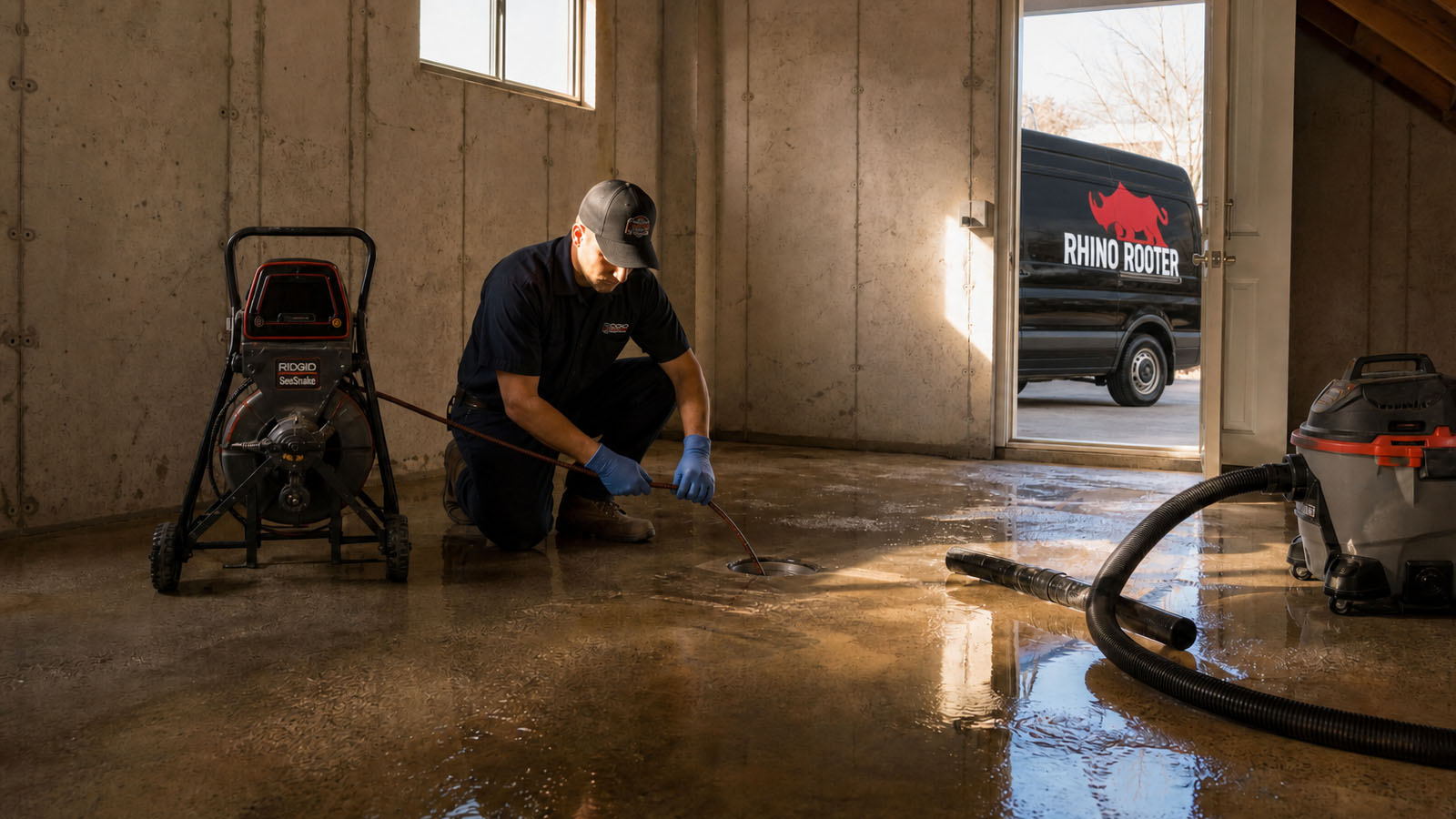
How long your repair takes comes down to the method, the damage and your job site — and our camera-first approach means you get a real answer before we start. Free, no-obligation quotes across Weber County.