
Do You Have to Fix a Sewer Line Before Selling a House in Utah?
Quick answer: No — Utah does not legally require you to repair a sewer line before selling your home. But you do have to disclose defects you know about, and a failing line almost always affects your sale price, the buyer's financing, and your closing timeline. Whether you repair it, price it in, or sell as-is comes down to the damage, your timeline, and the offer on the table. The smart first move is a sewer camera inspection so you know exactly what you're dealing with before you list.
Do you legally have to fix a sewer line before selling in Utah?
No. Utah does not require you to repair a sewer line before selling — but state law does require you to disclose defects you're aware of.
Utah is a disclosure state. Sellers typically complete a Seller's Property Condition Disclosure form, and knowingly hiding a defect like a collapsed or root-blocked sewer line can expose you to a lawsuit after closing. So while nobody forces you to make the repair, you can't quietly bury the problem either.
That leaves you with three honest paths: fix the line, disclose it and adjust the price, or sell the home as-is to a buyer who accepts the condition. The right choice depends on how bad the pipe actually is — which is why a camera inspection should come first, not last.
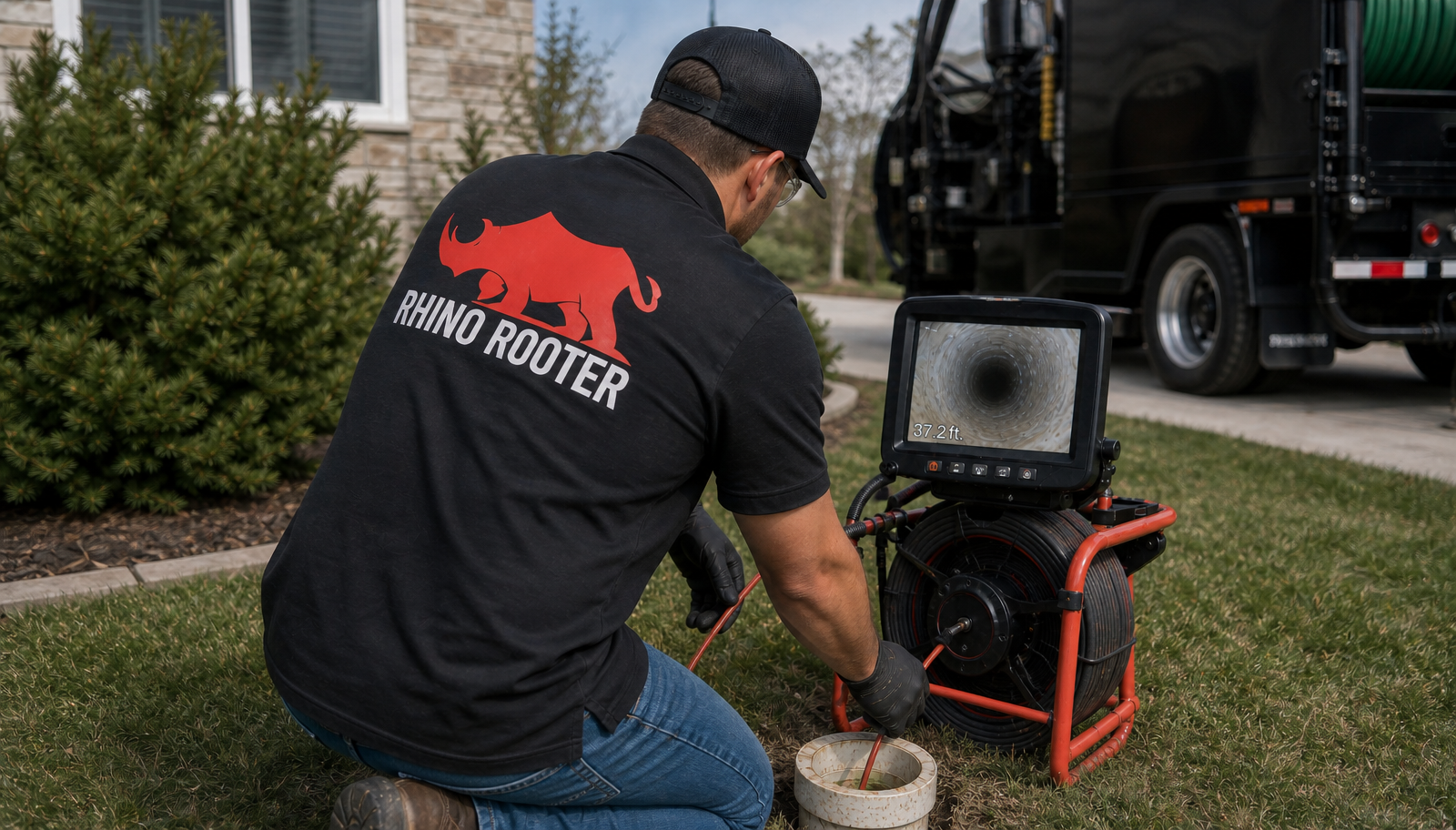 Scoping the line before the listing
 How does a bad sewer line affect your home sale?
A failing sewer line can lower your offer, scare off financed buyers, and stall or kill a deal at inspection.
Here's what actually happens on a real Weber County transaction when the buyer's inspector runs a scope down the line:
Renegotiation. Buyers use a failed sewer scope as leverage to knock thousands off the price — often far more than the repair would have cost you.
Financing friction. Some lenders and appraisers flag a major sewer defect, which can delay or block a mortgage on a conventional or FHA sale.
Deal collapse. A surprise mid-escrow can send a nervous buyer walking, forcing you back to square one.
Time on market. Homes that come back to the listing after a failed inspection tend to sit longer and sell for less.
Older Ogden-area homes are especially prone to this. Many were built with clay, cast iron, or Orangeburg pipe that's now decades past its prime — the same failures we cover in our post on why older Ogden homes get slow drains.
Should you repair the line or sell the house as-is?
Repair when you have time and the home is otherwise market-ready; sell as-is when speed matters more than squeezing out top dollar.
Use this quick framework:
Repair the line first if:
You're listing on the open market to owner-occupant buyers.
The rest of the home shows well and you want top-of-market pricing.
The defect is a localized crack or root intrusion (a spot repair is often enough).
Consider selling as-is if:
You're on a tight timeline (relocation, probate, divorce, or a job move).
The home needs other significant work and you don't want to reinvest.
You'd rather take a clean cash offer than manage repairs and showings.
If the as-is route fits your situation, the selling process can look different depending on the property's condition and the type of buyer involved. Selling your Utah home without making major repairs means weighing the cost of fixing issues like a damaged sewer line against the potential impact those unresolved problems may have on the sale. Even then, we recommend getting the line scoped first: a documented condition report protects you on disclosure and gives you leverage in the negotiation, whichever way you sell.
How much does it cost to fix a sewer line before selling?
In Utah, expect roughly $3,900–$5,000 for an isolated spot repair and about $9,500–$12,000 for a full trenchless CIPP lining of a typical residential line.
What Each Fix Costs in Utah
| Repair type | Typical Utah cost | Best for |
|---|---|---|
| Camera inspection | Often free with service | Confirming the actual defect before you list |
| Spot repair | ~$3,900 – $5,000 | One localized crack, offset, or root break |
| CIPP trenchless lining (60 ft, 4") | ~$9,500 – $12,000 | A deteriorated line you want rebuilt end-to-end |
Trenchless CIPP lining runs about $135–$200 per linear foot, and it rebuilds a smooth, jointless, root-proof pipe inside the old one. For a full breakdown of what changes your quote, see our trenchless sewer repair cost guide. The key point for sellers: the repair almost always costs less than the price concession a buyer will demand at inspection.
What does a pre-sale sewer camera inspection show?
A recorded camera inspection shows the exact defect, its location and depth, and the pipe material — giving you a documented report to disclose or negotiate with.
We run every inspection to NASSCO PACP coding standards and hand you the footage. That recording does three jobs before you list:
Protects your disclosure. You're reporting a documented, professional finding — not guessing.
Sets the terms. You control the narrative instead of reacting to the buyer's inspector.
Rules out surprises. If the line is actually fine, you get a clean report to show buyers.
A pre-sale scope is the same sewer camera inspection we run before any repair — diagnose first, dig never.
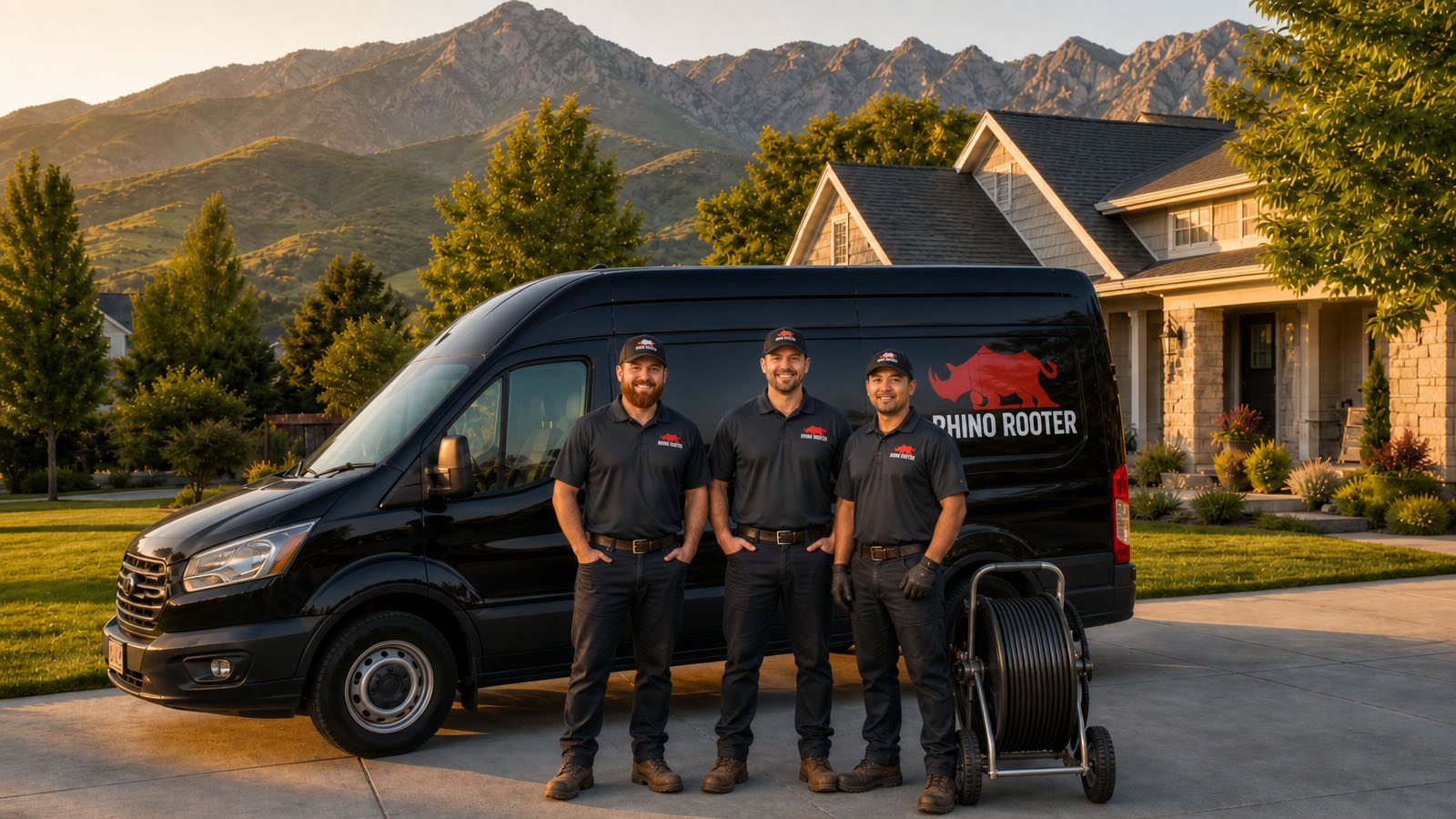 The crew that runs your pre-sale scope
 Can the line be fixed without tearing up the yard before closing?
Yes. Trenchless CIPP lining and spot repair rebuild most failing sewer lines from the inside — no excavation, no destroyed landscaping right before you sell.
This matters enormously for sellers. A dug-up front yard two weeks before photos and showings is its own problem. With trenchless sewer repair, a resin liner is cured inside the existing pipe, so curb appeal stays intact and most jobs finish in hours, not days.
Better still for the sale: our CIPP lining carries a 10-year workmanship warranty with a 50-year liner material life. That's a transferable selling point you can hand the buyer — a brand-new pipe inside the wall, in writing. We proved out this exact turnaround speed in our Saturday sewer line emergency case study.
What if you need to sell fast?
If speed is the priority, scope the line, get a repair quote, and compare it against an as-is cash offer — then choose the path that nets you the most for your timeline.
For homeowners in Ogden, Roy, North Ogden, and the wider Weber County service area, the fastest sensible sequence is:
Book a camera inspection to confirm the real condition.
Get a firm, written repair quote (spot repair vs. full lining).
Weigh that against an as-is offer via a marketplace like HouseCashin Utah.
Decide with numbers in hand instead of guessing.
Either way, you walk into the sale with documentation and leverage — not a surprise at inspection.
Conclusion
Utah doesn't require you to fix a sewer line before selling — but you must disclose known defects.
A failed line usually costs you more in price concessions than the repair itself would.
Camera-inspect first. A documented report protects your disclosure and gives you negotiating leverage.
Repair (spot repair ~$3,900–$5,000; full trenchless lining ~$9,500–$12,000) if you're listing on the open market; sell as-is to a cash buyer if speed matters most.
Trenchless repair fixes the line with no yard damage and a transferable 10-year warranty — a genuine selling point.
Whichever path you pick, get the line scoped before you decide.
About the Author
John Larsen is the owner and operator of Rhino Rooter, a family-run, trenchless-first sewer and drain company serving Ogden and Weber County since 2003. Over 23 years, John and his crew have completed roughly 27,000 jobs and hold a 4.82-star rating across 144 Google reviews. Rhino Rooter is MaxLiner CIPP certified, follows NASSCO PACP inspection standards, and is fully insured and bonded.
Meet the crew →Frequently Asked Questions
Do you legally have to fix a sewer line before selling in Utah?
No. Utah does not require you to repair a sewer line before selling — but state law does require you to disclose defects you're aware of.
How does a bad sewer line affect your home sale?
A failing sewer line can lower your offer, scare off financed buyers, and stall or kill a deal at inspection.
Should you repair the line or sell the house as-is?
Repair when you have time and the home is otherwise market-ready; sell as-is when speed matters more than squeezing out top dollar.
How much does it cost to fix a sewer line before selling?
In Utah, expect roughly $3,900–$5,000 for an isolated spot repair and about $9,500–$12,000 for a full trenchless CIPP lining of a typical residential line.
What does a pre-sale sewer camera inspection show?
A recorded camera inspection shows the exact defect, its location and depth, and the pipe material — giving you a documented report to disclose or negotiate with.
Can the line be fixed without tearing up the yard before closing?
Yes. Trenchless CIPP lining and spot repair rebuild most failing sewer lines from the inside — no excavation, no destroyed landscaping right before you sell.
What if you need to sell fast?
If speed is the priority, scope the line, get a repair quote, and compare it against an as-is cash offer — then choose the path that nets you the most for your timeline.
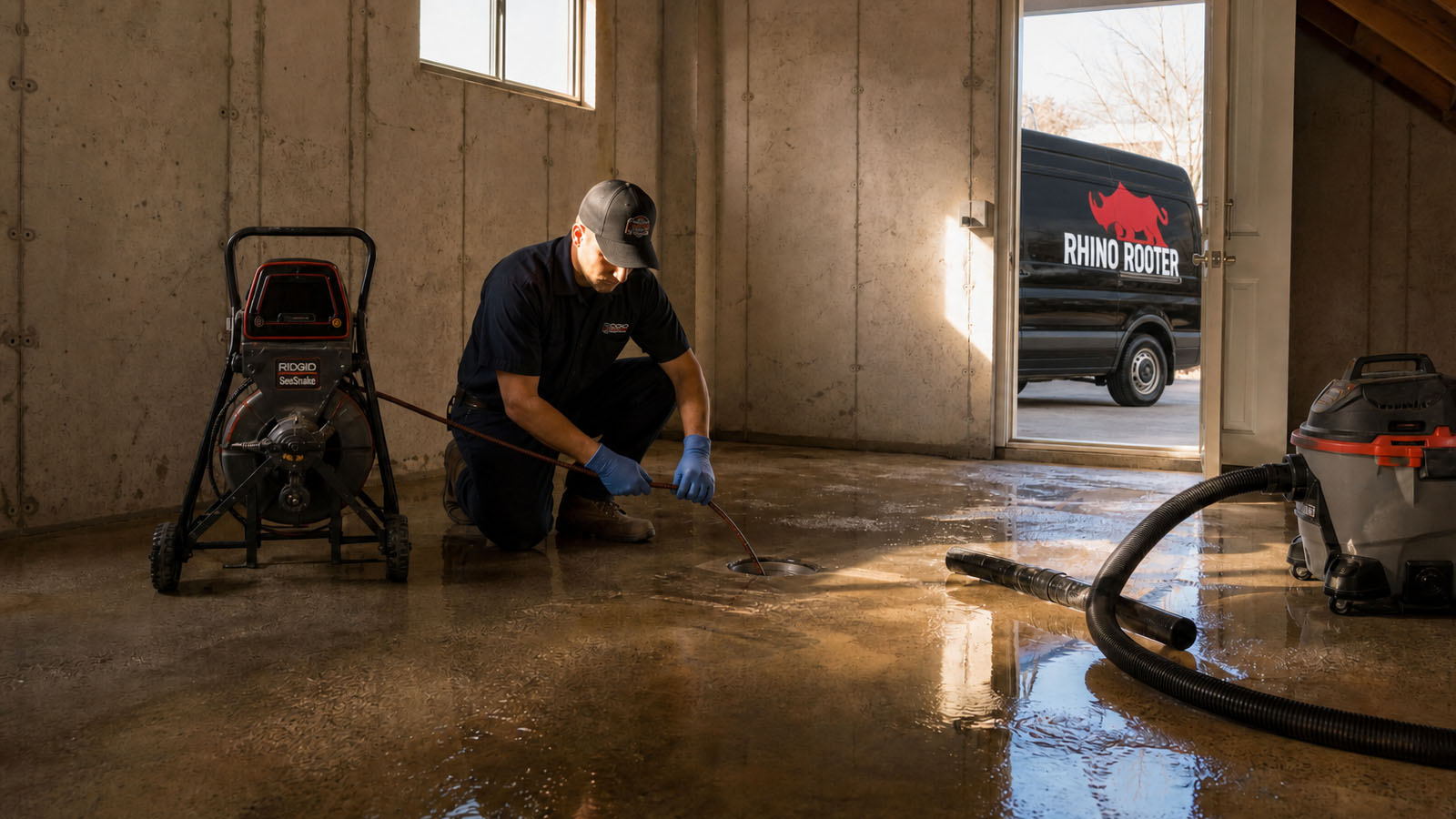
Worried About the Sewer Line Before You List?
We'll camera the line first, show you exactly what's there, and give you a firm number in writing — repair it or not.