Quick Answer: A sewer camera inspection sends a high-resolution camera through your sewer line to record live video of the pipe interior. It reveals sewer camera inspection findings such as cracks, root intrusion, blockages, corrosion, and mineral buildup — each with a clear next step. Most residential inspections cost $100–$500 and take less than an hour, giving homeowners the exact information they need to plan targeted repairs or routine maintenance.

Sewer camera inspections give homeowners and plumbers a clear, inside view of sewer pipes using compact video cameras. That footage helps pinpoint problems—like blockages, cracks, or root intrusion—so repairs can be targeted and less disruptive. Below we walk through what those inspections reveal, common problems you’ll see on video, and how to interpret the findings so you can make smart decisions about repairs and maintenance.
Regular camera inspections are especially useful if you’ve had recurring plumbing issues. They can stop small problems from becoming expensive repairs and help you plan the right maintenance for your sewer system. This guide covers typical inspection results, the kinds of damage technicians identify, and when it’s wise to arrange an inspection.
What Are the Key Takeaways From a Sewer Camera Inspection?
- Sewer camera inspections capture video that shows cracks, blockages, corrosion, and root intrusion inside sewer pipes.
- Early detection through video can save homeowners money and keep sewer systems working properly.
- Reading inspection footage effectively means knowing common terms, checking video clarity, and consulting a pro for repair options.
- Signs you should get an inspection include slow drains, repeated backups, bad sewer odors, and during real estate transactions.
- Inspections help determine whether trenchless repair is possible by assessing pipe damage and feasibility.
- Drain cleaning is recommended when footage shows blockages like roots, mineral scale, or grease buildup.
- The accuracy of an inspection depends on camera resolution, lighting, and the technician’s skill.
- Inspection costs typically fall between $100 and $500, depending on property size and sewer access.
What Do Sewer Camera Inspections Reveal About Your Pipes?

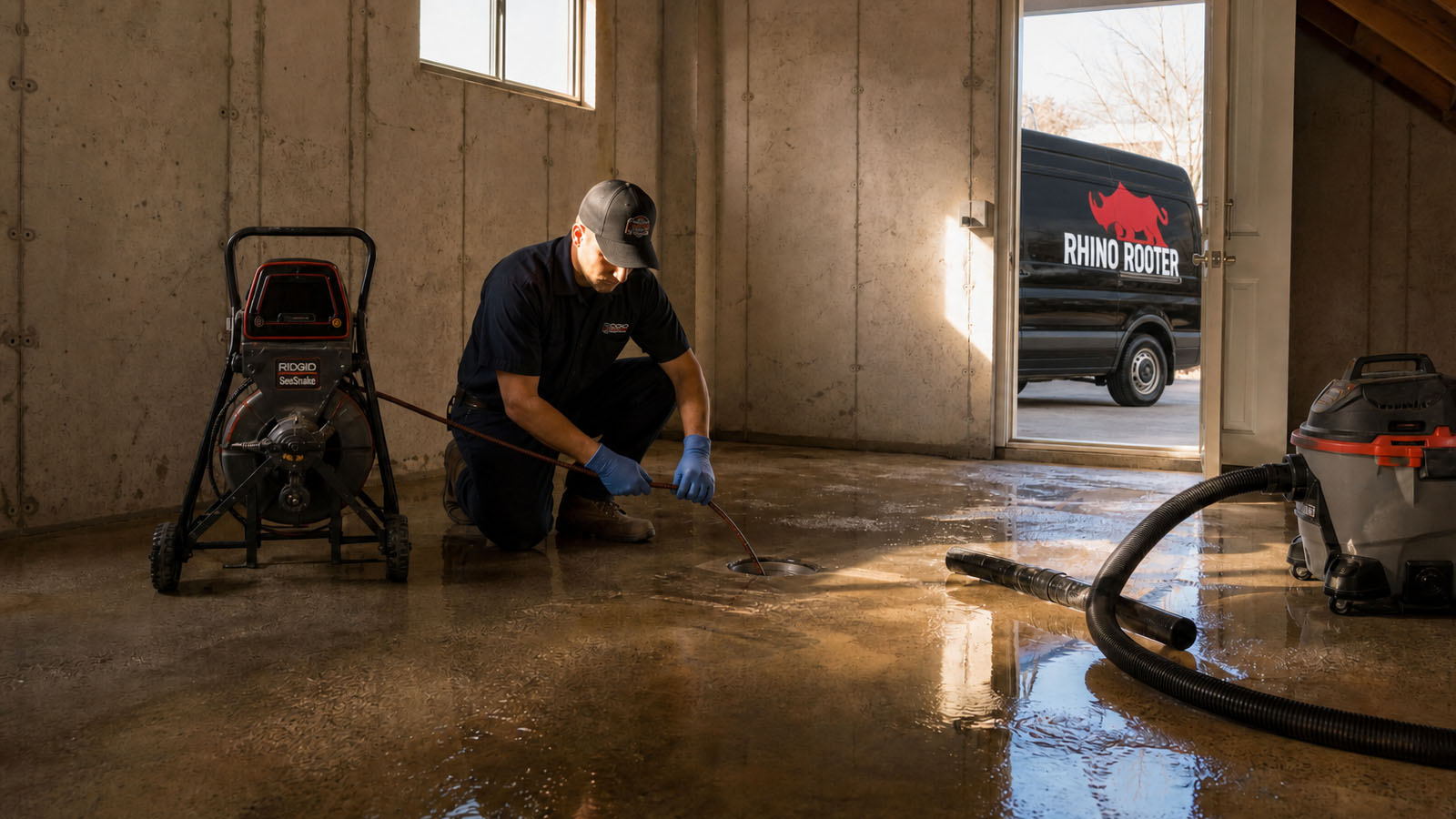
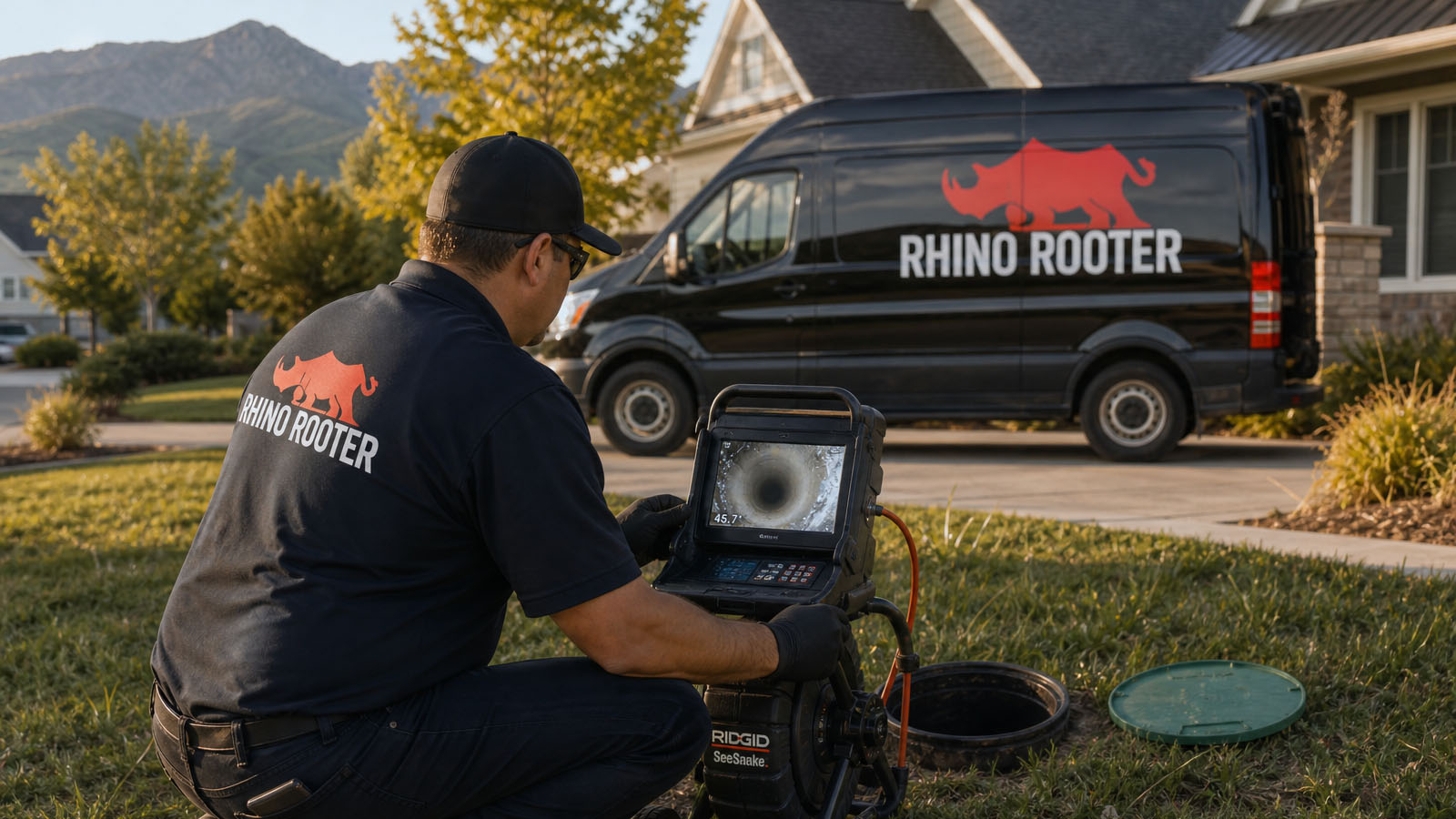
By feeding a high-resolution camera into the line, plumbers can record live video of the pipe interior and spot issues you can’t see from outside. The footage shows the pipe surface and any obstructions or damage—making it easier to diagnose problems precisely.
Those findings guide repair and maintenance decisions. Homeowners get a practical picture of their sewer’s health, which helps prioritize fixes and plan for future needs before minor faults become major headaches.
Camera inspections are non-invasive and precise. They often save time and money by locating the exact problem area so crews can focus repairs where they’re actually needed.
What Potential Issues or Blockages Are Detected on Sewer Camera Video?

Common problems identified on sewer camera video include:
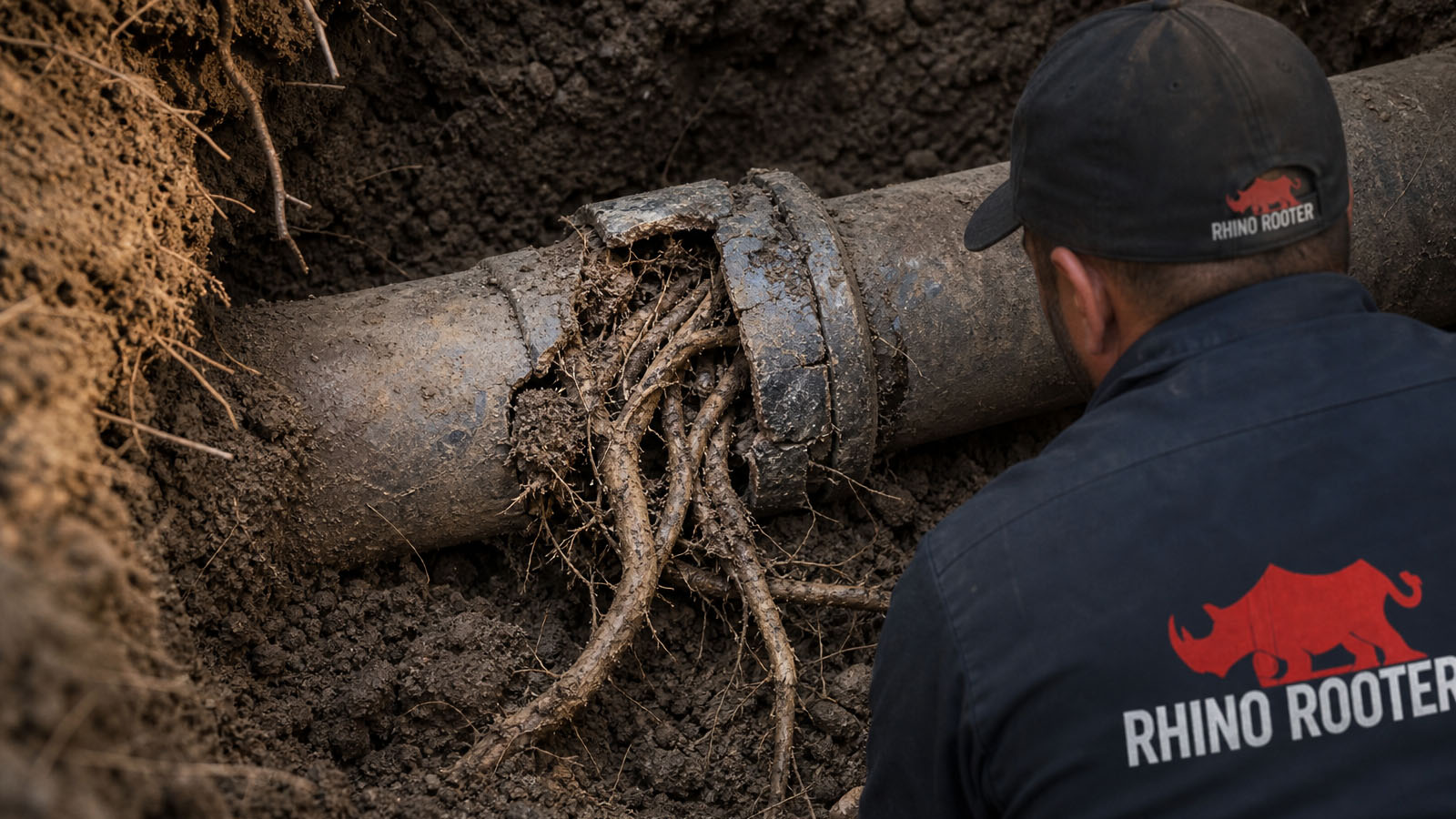
- Root Intrusion: Tree roots can grow into joints or cracks, slowing flow and causing backups.
- Mineral Buildup: Over time, mineral deposits narrow pipes and reduce drainage capacity.
- Corrosion: Older pipes can corrode, weaken, and eventually leak.
- Grease Accumulation: Solidified grease layers up over time to form hard blockages.
- Pipe Belly / Joint Offset: Ground settlement can cause sections to sag or shift, pooling waste and slowing flow.
Each of these conditions affects sewer performance and should be addressed promptly. Regular inspections make it easier to find and fix them before they require extensive repairs.
📞 Ready to Get Started? Don’t wait for a backup to force an emergency call. Contact Rhino Rooter today for a fast, professional sewer camera inspection serving Weber County, UT and surrounding communities.
How Do You Interpret Sewer Camera Inspection Video Footage?
To get the most from an inspection video, focus on a few key things:
- Footage Clarity: Clear, high-quality video makes defects easier to spot and describe.
- Common Terminology: Learn basic terms—like “blockage,” “crack,” and “corrosion“—so you can understand the report.
- Next Steps: Use the footage as the basis for a repair plan; talk through options with your plumber.
When professionals explain what they saw and why it matters, you can make confident choices about repair timing and method.
When Should You Get a Sewer Camera Inspection?
You should consider an inspection in these situations:
- Slow Drains: Multiple slow drains often point to trouble in the main sewer line.
- Recurring Backups: Repeated backups indicate there’s an unresolved issue down the line.
- Buying or Selling a Home: A camera inspection during a real estate transaction reveals any hidden sewer problems up front.
- Sewer Odors: Persistent sewer smells suggest cracks or leaks that need confirmation on video.
Timely inspections help avoid surprise repairs and give you a clearer picture of the system’s condition.
What Does a Sewer Camera Inspection Reveal About Sewer Pipe Conditions?
Inspections offer a window into the pipe’s condition and commonly reveal:
- Cracks: Fractures in the pipe wall that can let water escape or soil infiltrate.
- Blockages: Obstructions from debris, grease, roots, or foreign objects.
- Corrosion: Material breakdown that weakens the pipe and leads to leaks.
- Collapsed or Deformed Sections: Pipe segments that have caved in or shifted, requiring targeted repair or replacement.
Scheduling inspections every few years—or whenever you notice plumbing trouble—helps you catch these issues early.
How Does Video Sewer Inspection Detect Common Sewer Pipe Problems?
The inspection camera sends live images to a monitor so technicians can examine the inside of pipes in real time. That visual access makes it possible to identify problems like:
- Root Intrusion: Roots entering and blocking the flow inside pipes.
- Cracks and Fractures: Breaks caused by pressure, settling, or age.
- Corrosion: Rust or material loss that shows up on the pipe surface.
- Grease and Scale Deposits: Visible buildup narrowing the bore and slowing flow.
Seeing the issue helps plumbers recommend the most effective, least invasive repair method.
What Types of Pipe Damage and Blockages Are Identified?
Camera inspections commonly uncover:
- Root Intrusion: Roots that narrow or fully block a pipe.
- Corrosion: Areas where pipe material has deteriorated.
- Cracks and Fractures: Visible breaks that risk leaks or collapse.
- Grease Accumulation: Solidified grease layers that form stubborn blockages.
Recognizing these problems early gives you more repair options and can reduce overall costs.
How to Interpret a Drain Camera Inspection Report Effectively?
Look for these elements in the inspection report:
- Documentation of Findings: A clear, written summary of what the camera recorded.
- Visual Evidence: Photos or short video clips that show the problem areas.
- Recommendations for Repairs: Suggested fixes and estimated urgency based on what was seen.
Use the report and footage to compare repair options and get quotes from qualified plumbers.
What Key Findings Are Highlighted in Sewer Camera Inspection Reports?
Typical report highlights include:
- Condition of Pipes: An overall assessment of pipe health and remaining life.
- Specific Issues Detected: Detailed notes on cracks, blockages, and other defects.
- Recommendations for Action: Practical next steps, from simple cleaning to full repairs.
These reports give homeowners a roadmap for maintaining or repairing their sewer lines.
How to Understand Inspection Video Footage and Damage Types?
When reviewing footage, keep these points in mind:
- Identifying Damage: Spotting cracks, obstructions, or corroded areas on the video.
- Understanding Severity: Gauging whether a defect is minor, urgent, or needs replacement.
- Next Steps Based on Video Findings: Discussing the best repair option with your technician.
Talking through the footage with an experienced plumber will give you clear, practical options.
What Are the Signs Indicating the Need for Trenchless Sewer Repair?
Signs that trenchless repair might be needed include:
- Slow Drains: Persistent drainage problems that cleaning alone won’t fix.
- Recurring Backups: Ongoing blockages suggesting structural pipe issues.
- Foul Odors: Persistent sewer smells that point to leaks or cracks.
Spotting these signs early makes it easier to evaluate trenchless options that reduce digging and disruption.
How Does Sewer Camera Inspection Identify Trenchless Repair Candidates?
Inspections show where damage is located and how extensive it is—information that helps determine if a trenchless method (like lining or pipe bursting) will work. Technicians assess:
- Criteria for Trenchless Methods: Whether the damage is linear, localized, and accessible for lining.
- Importance of Inspections: Why a thorough video exam is necessary before choosing a repair approach.
- Types of Damage Suitable for Trenchless Repair: Cracks, minor collapses, and certain root-damage scenarios.
Using video to evaluate the pipe first often leads to less invasive, cost-effective repairs.
What Are the Benefits of Trenchless Sewer Repair Based on Inspection Findings?
When an inspection supports trenchless repair, benefits include:
- Cost Efficiency: Less excavation typically means lower labor and restoration costs.
- Minimal Disruption: Landscaping, driveways, and yards usually stay intact.
- Targeted Repairs: The work focuses on the damaged section identified on video.
Those advantages make trenchless techniques attractive when the footage shows they’re feasible.
When Is Drain Cleaning Recommended Based on Sewer Camera Inspection Results?
Drain cleaning is advised when the inspection shows:
- Signs of Blockage: Noticeable buildup or obstruction on the video.
- Indications of Damage: Areas where cleaning can restore flow and reveal underlying issues.
- Recommendations for Maintenance: When your technician suggests regular cleaning to prevent recurrence.
Planned cleaning based on inspection findings can keep the system running smoothly and extend pipe life.
What Common Blockages Are Detected That Require Drain Cleaning?
Typical blockages that often need cleaning include:
- Root Intrusion: Roots that constrict the pipe but may be removed or managed.
- Mineral Scale Buildup: Hardened deposits that narrow the pipe bore.
- Grease Accumulation: Solidified grease that creates blockages over time.
Treating these issues promptly helps prevent backups and more serious damage.
How Does Inspection Help Determine the Timing for Drain Cleaning Services?
An inspection shows how urgent cleaning is and whether it will be effective. Technicians look for:
- Indicators for Cleaning: Visible buildup that affects flow now.
- Importance of Timely Maintenance: Regular checks to prevent larger problems later.
- Next Steps After Inspection: Recommended cleaning methods and follow-up intervals.
Using inspection data to time cleanings reduces emergency calls and costly repairs.
What Are the Limitations and Accuracy of Sewer Camera Inspections?
Camera inspections are powerful but not perfect. Keep in mind:
- Types of Problems Detected: Most physical defects are visible, but some conditions aren’t obvious on video alone.
- Limitations in Detection: Internal material fatigue or very small leaks may need additional tests.
- Factors Affecting Quality: Camera resolution, lighting, pipe cleanliness, and technician skill all shape the results.
Knowing these limits helps set realistic expectations and when to pursue more testing.
Can Sewer Cameras Detect All Types of Pipe Problems?
Sewer cameras find many common issues—cracks, blockages, and corrosion—but some problems can be missed on video. For a complete diagnosis, a professional may recommend supplemental tests or probes.
Relying on expert interpretation ensures you get an accurate assessment and the right repair plan.
What Factors Affect the Quality and Interpretation of Inspection Videos?
The clarity and usefulness of inspection footage depend on several factors:
- Camera Quality: Higher-resolution cameras show more detail.
- Lighting Conditions: Good lighting reveals small defects and material condition.
- Technician Expertise: Experienced operators capture better footage and provide clearer analysis.
Choosing a qualified service with up-to-date equipment improves diagnostic accuracy.
How Much Does a Sewer Camera Inspection Cost and What Influences Pricing?
Inspection costs vary, typically running between $100 and $500. Pricing depends on factors like:
- Typical Cost Ranges: Standard inspections usually fall in the $100–$500 range.
- Factors Influencing Pricing: Property size, sewer accessibility, distance to the line, and any extra services needed.
- Importance of Inspections for Cost Savings: Regular inspections can prevent larger, pricier repairs later on.
Understanding these cost drivers helps you budget for inspections and maintenance.
TL;DR — Sewer Camera Inspection Findings at a Glance
- A sewer camera inspection uses live video to reveal cracks, root intrusion, blockages, corrosion, and grease buildup inside your pipes.
- Early detection through video saves money and prevents emergency repairs.
- Inspection footage guides decisions on drain cleaning, trenchless repair (CIPP lining or pipe bursting), or pipe replacement.
- Most inspections cost $100–$500 and take under an hour — worth it before any major plumbing decision.
- Cameras work on clay, PVC, cast iron, and most other pipe materials common in Weber County, UT homes.
- Next step: Contact Rhino Rooter to schedule your sewer camera inspection and know exactly what’s happening inside your pipes.
Frequently Asked Questions
How often should I schedule a sewer camera inspection?
For routine maintenance, every 2–3 years is a good rule of thumb. If you have repeated backups, slow drains, or are buying/selling a house, schedule one sooner. More frequent checks make sense when issues recur or when older pipes are in place.
What should I do if significant issues are detected during an inspection?
If the camera shows major blockages, large cracks, or advanced corrosion, talk with a licensed plumber right away. They’ll explain repair options, timelines, and costs so you can decide whether to clean, repair, or replace sections of pipe.
Are sewer camera inspections effective for all types of pipes?
Inspections work for most materials—clay, PVC, cast iron, and others. Severe corrosion or collapse can sometimes block the camera’s path, in which case a plumber may recommend alternative diagnostic methods.
How much does a sewer camera inspection cost?
Inspection costs vary but most residential inspections run $100–$500. Factors include property size, sewer accessibility, the length of line to inspect, and whether the technician performs any cleaning or secondary services on the same visit.
Can I perform a sewer camera inspection myself?
While consumer rental cameras exist, hiring a professional is usually a better choice. Pros have higher-quality gear, lighting, and the experience to interpret footage and recommend the right fixes.
Related Resources
- Sewer Camera Inspection Service
- Drain Cleaning
- Hydro Jetting
- CIPP Pipe Lining
- Pipe Bursting
- Ogden, UT Service Area
Get a Free Sewer Camera Inspection Quote
Understanding your sewer camera inspection findings is the first step toward a healthy, trouble-free plumbing system. Whether footage reveals root intrusion, cracks, or blockages, Rhino Rooter’s certified technicians walk you through every finding and your best path forward — from drain cleaning to full trenchless repair. Contact Rhino Rooter today for a free, no-obligation quote.
About Rhino Rooter: Rhino Rooter has served Weber County, UT — including Ogden, North Ogden, South Ogden, Roy, Riverdale, Harrisville, Farr West, Pleasant View, Plain City, and Brigham City — with expert drain and sewer services. From sewer camera inspections to CIPP pipe lining and pipe bursting, our team delivers fast, honest diagnostics and lasting repairs. Contact us at rhinorooter.net for a free estimate.