
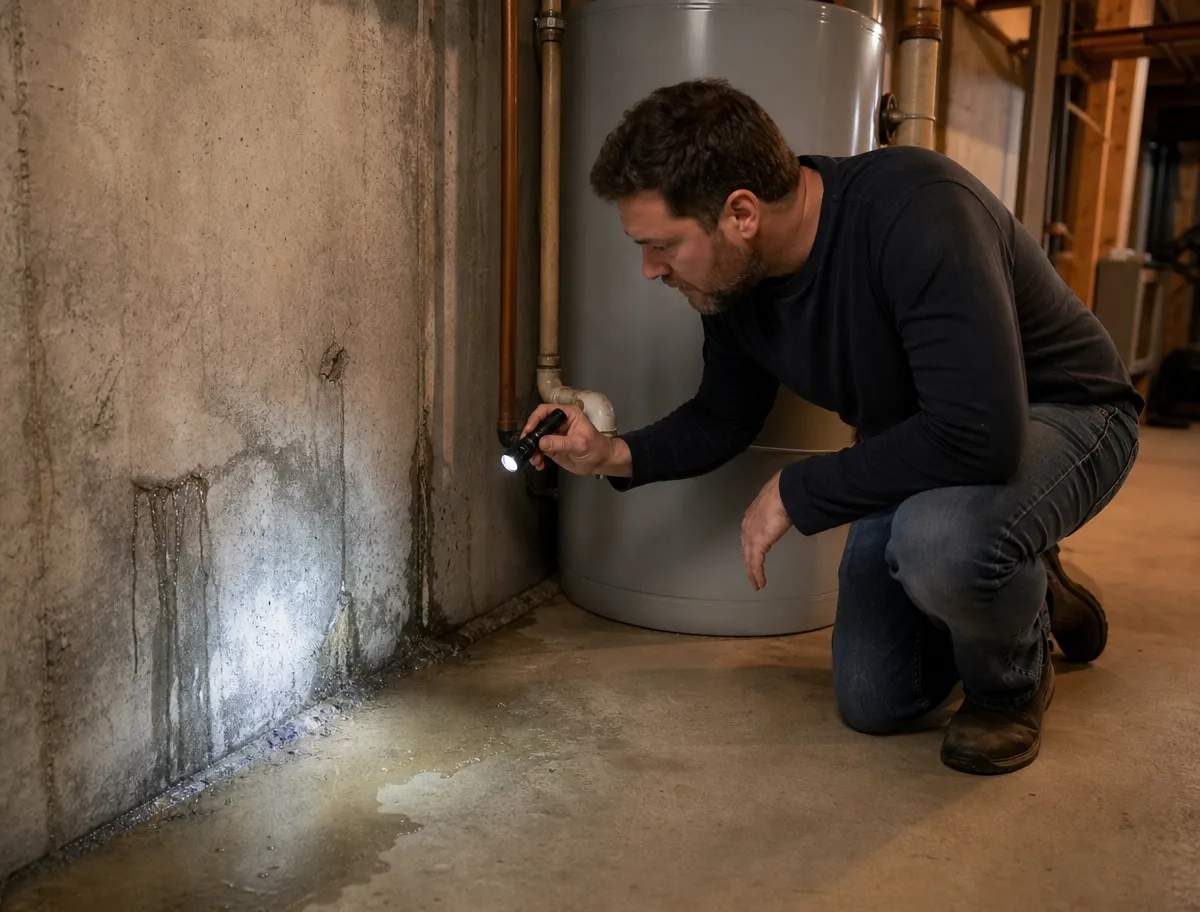
What Are the Signs of a Hidden Water Leak in My Home?
Quick Answer: The clearest signs of a hidden water leak in your home are an unexplained spike in your water bill, low water pressure, the sound of running water when every tap is off, wet or warm spots on floors and walls, a persistent mold or mildew smell, a water meter that keeps spinning with everything off, and new cracks or shifting in your foundation. If you notice any of these, Rhino Rooter offers camera-verified leak detection across Weber County and Northern Utah to confirm the source before you open a single wall.
What Are the Key Takeaways on Hidden Water Leaks?
What Are the 7 Signs of a Hidden Water Leak in My Home?
Most hidden leaks give off warning signs long before they become a five-figure repair. Northern Utah homeowners who catch these seven signs of a hidden water leak early save both water and structural damage.
Unexplained water bill spike — A sudden jump in your monthly water bill, with no change in household habits, is often the first sign of a hidden leak. The EPA's Fix a Leak Week initiative estimates that household leaks waste nearly 1 trillion gallons of water nationwide every year, much of it from problems homeowners never see.
Low water pressure — A steady drop in pressure at your faucets or shower can mean water is escaping somewhere between the meter and the fixture instead of reaching it.
Sound of running water when taps are off — Hearing water move through the walls or floor with every fixture shut off is one of the clearest signs of an active leak. The USGS drip calculator shows how even a small, steady leak adds up to thousands of gallons a year.
Wet or warm spots on floors or walls — Damp carpet, warped flooring, or an unexplained warm patch on a slab often points to a hot-water line leaking beneath the surface.
Mold or mildew smell — A musty odor that lingers after cleaning usually means moisture is trapped inside a wall, floor, or crawl space cavity. Mold doesn't need standing water to start growing.
Meter spinning with all taps off — Shut off every fixture and appliance, then check the meter's leak indicator dial. If it's still moving, water is escaping somewhere in the system, a check the Jordan Valley Water Conservancy District recommends as the fastest way to confirm a leak.
Foundation cracks or shifting — New cracks, doors that stick, or a foundation that appears to be settling can mean a slow leak has been saturating the soil beneath your home for months.
If you notice any of these seven signs, don't start opening walls to look for the source. Call a leak detection specialist first.
What Should You Check Before Hunting for Leaks?
A thorough walk-through of the home's baseline conditions comes before any leak search begins. Checking utility bills, wall surfaces, flooring, and air quality first narrows down where a problem might exist. Homeowners across Northern Utah often miss the early signs of a hidden water leak in their home, only noticing trouble once water stains appear, monthly bills climb, musty odors settle in, flooring warps, or unexplained dampness shows up on a wall.
That confusion is common. Water leaks create the same headache whether a family rents, leases, or owns the property outright. None of those arrangements protect a structure from moisture damage. Utah's seasonal swings can contribute to the risk of unnoticed damage to pipe joints and fittings.
Before starting a search, complete this checklist:
Pull the last three water bills and compare usage month over month.
Walk every room and check ceilings, baseboards, and wall corners for discoloration.
Check flooring near bathrooms, laundry areas, and kitchens for softness or warping.
Note any musty smell in closets, basements, or crawl spaces.
Record the water meter reading, wait two hours with no water use, then check it again.
Why does hidden water damage matter so much?
Left unaddressed, hidden moisture keeps working behind the surface. It deteriorates framing and drywall, feeds mold growth, and eventually creates a genuine safety hazard for the household.
Once a homeowner completes this checklist, a professional leak detection service confirms the cause. We inspect the plumbing system, explain what we find, and provide a written repair quote before any work starts.
Not sure what you're looking at?
If your water bill has spiked or you've noticed dampness you can't explain, Rhino Rooter can camera-verify a suspected leak before you cut into drywall or flooring. Schedule your free estimate and get a written quote before any work begins.
Schedule your free estimate →What Are the Earliest Warning Signs Indoors?
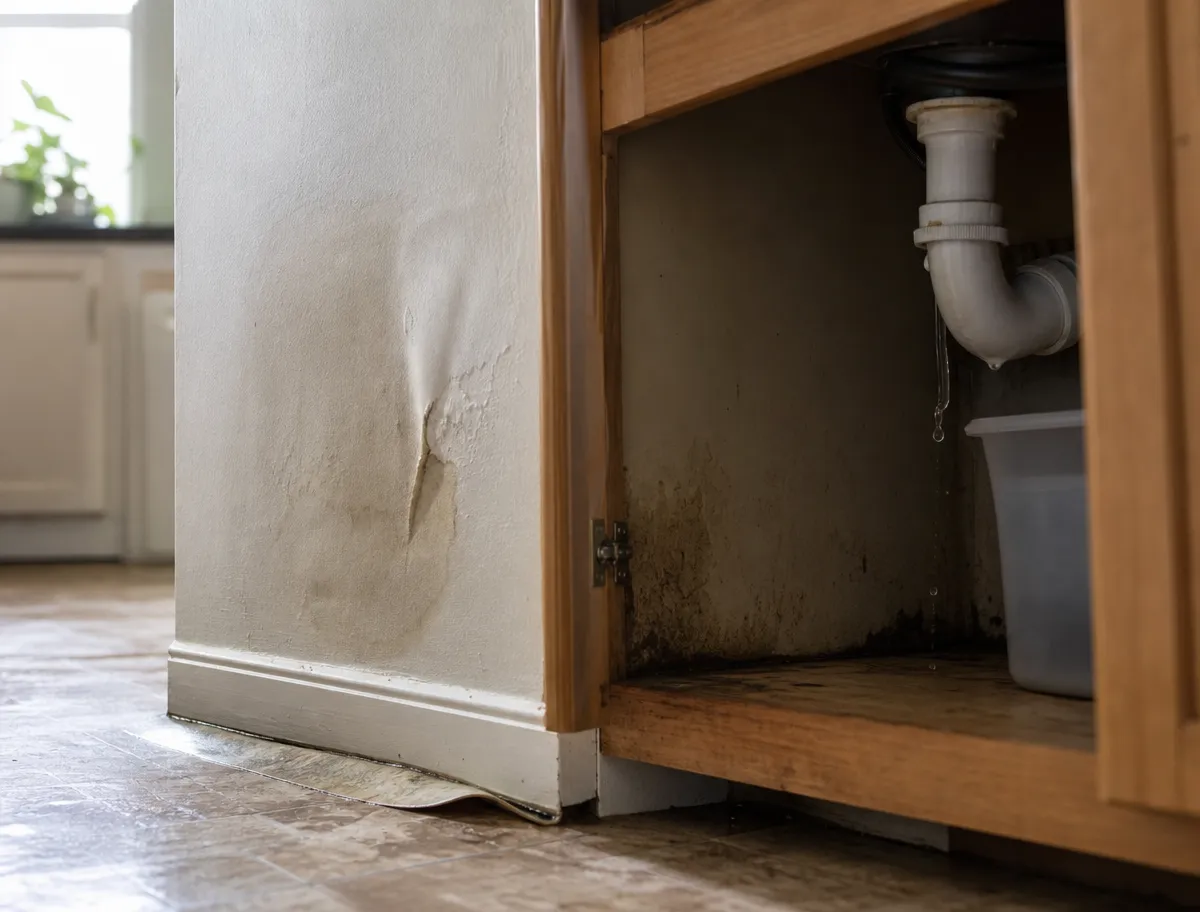 Three warning signs in one cabinet
 Wall stains, musty odors, and peeling wallpaper mark the first signs of a hidden water leak in a home, according to reporting on hidden water damage in Northern Utah. We treat these three cues as our starting checklist on every Utah service call. They surface long before a pipe fails outright. Ignoring them can lead to costs that exceed just the repair bill, affecting structural integrity and resale value.
Utah's climate makes early detection especially urgent. Freezing winters followed by hot, dry summers put real strain on plumbing systems throughout the state, stressing pipe joints and fittings twice a year instead of once. We see this seasonal swing drive failures in copper and PEX lines alike, particularly in homes built before modern insulation standards.
Where should we look first?
We start with ceilings, drywall, and baseboards. Discoloration there usually points to a slow leak overhead or behind the wall. A sour, damp smell that lingers after cleaning often signals moisture trapped inside a cavity where mold has already begun to grow.
What causes these leaks in the first place?
Structural vulnerabilities, aging plumbing, and appliance malfunctions account for most hidden water damage we diagnose across Northern Utah homes. Washing machine hoses, water heater connections, and dishwasher supply lines fail quietly, often for weeks before anyone notices.
Beyond structural risk, leaks waste water and inflate utility bills every day they go undetected. Watch for:
Discolored patches on walls or ceilings
Musty or mildew-like odors in enclosed rooms
Bubbling or peeling wallpaper and paint
Unexplained increases on the monthly water bill
We recommend acting on any single one of these signs. Waiting for two or three to appear only widens the damage.
How Does Utah's Climate Trigger Hidden Leaks?
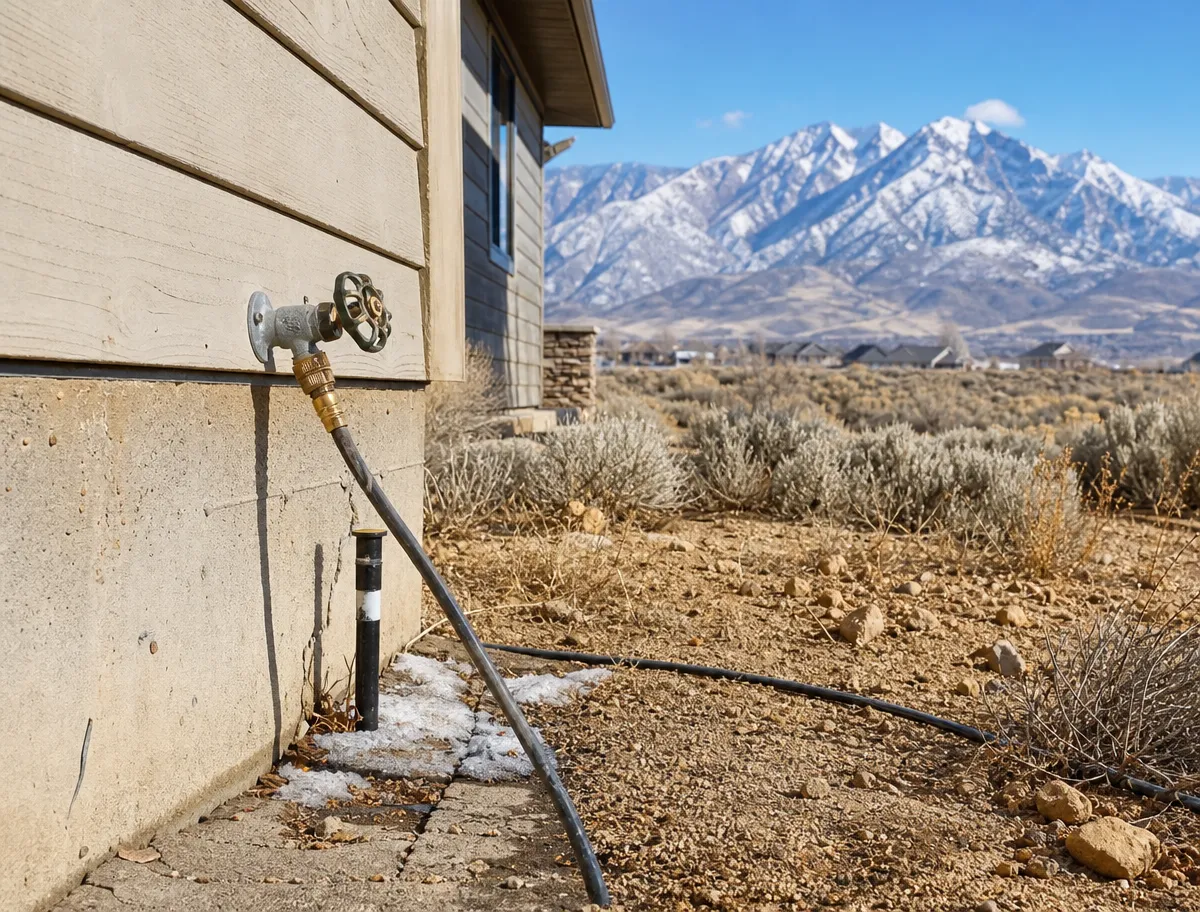 A hose left on, ice at the footing, a crack forming
 Utah's seasonal extremes turn ordinary plumbing stress into hidden damage. Temperature fluctuations across Northern Utah routinely trap water inside pipes and building materials. When that water freezes, it expands with enough force to crack foundations. We see this pattern repeat every winter across the region, from Ogden's older neighborhoods to newer developments in Davis County.
Summer brings its own version of the problem. Extreme seasonal swings between freezing winters and hot, dry summers put more strain on plumbing systems than most homeowners ever expect. Pipes contract, joints loosen, and small fractures form long before anyone notices a drip.
| Season | Stress on Pipes | Typical Result |
|---|---|---|
| Winter | Trapped water freezes and expands | Cracked joints, foundation stress |
| Summer | Heat and dryness cause contraction | Loosened seals, slow leaks |
That repeated stress often produces small leaks that go undetected for weeks or even months. By the time a homeowner spots a stain or smells moisture, water has usually been escaping far longer than expected.
Why do frozen pipes cause foundation damage in Utah homes?
Freezing water inside a pipe or wall cavity expands and pushes outward against surrounding concrete and framing. Across Northern Utah, this expansion cycle repeats every cold snap, gradually widening cracks that started as hairline fractures.
Outdoor irrigation adds another layer of risk near the foundation. Overwatered zones from a leaking sprinkler valve can mimic, or mask, a plumbing leak, so it's worth reviewing the Weber Basin Water Conservancy District's irrigation guidance before assuming the moisture is coming from inside the house.
How long can a hidden leak go undetected in a Utah home?
A leak caused by seasonal pipe stress often runs weeks or months before it surfaces visibly. We help homeowners recognize the signs of a hidden water leak in their home early. Most houses give off warning signals well before a small leak becomes a costly repair.
How Do You Confirm and Locate a Suspected Leak?
Confirming a suspected leak starts with a simple water meter test, not a guess about which fixture is at fault. Skipping that check lets moisture spread behind drywall and under flooring across Northern Utah homes, turning a small repair into a structural one. Waiting even a few weeks raises the risk of mold growth, warped subfloors, and a far larger repair bill.
We walk Davis County and Weber County homeowners through the same verification steps our technicians use on every service call.
Shut off every fixture and appliance that uses water, then record the current reading on the water meter.
Wait 30 to 60 minutes without running any water, then check the meter again; movement confirms an active leak somewhere in the system.
Watch for the early signs of a hidden water leak in the home: damp drywall, peeling paint, musty odors, or an unexplained spike on the utility bill.
Search room by room, since sound, moisture, and staining rarely appear directly above or beside the actual pipe.
Call for professional leak detection once the meter confirms a leak but the source stays hidden; finding it quickly is what saves a Utah home from costly, compounding water damage.
Do we need a camera inspection to find the leak?
Camera inspection becomes necessary once visual checks and meter readings fail to pinpoint the source. Our crews thread a camera through the affected line, identify the exact break or crack, and explain the cause in plain terms. We then deliver a written repair quote before any work begins, so homeowners never face guesswork or surprise costs.
Trenchless diagnostic equipment lets our team dispatch across Weber, Box Elder, Davis, and Cache counties from a single Northern Utah base, keeping response times short whenever a suspected leak needs fast confirmation.
What Happens if You Ignore a Hidden Leak?
Hidden leaks never heal themselves. Left alone, a small drip behind a Davis County wall grows into a repair bill far larger than the original fix would have cost. We tell every Northern Utah homeowner the same thing: waiting is the most expensive plumbing decision anyone can make.
Ignoring a suspected leak also raises the stakes beyond your water bill. Undetected leaks cause more property damage than almost any other plumbing problem we encounter across Weber, Davis, and Cache counties. Wood framing swells and rots. Drywall softens. Flooring buckles under moisture that never had a chance to dry out.
How bad can a hidden leak actually get?
Left undiscovered, hidden water damage does not stay contained. It deteriorates structural materials over time, feeds mold growth in wall cavities, and eventually creates a genuine safety hazard for the household. What starts as a stain on the ceiling can end as a compromised joist or a mold problem that affects indoor air quality.
What should we do once we confirm a leak in a Utah home?
Once our crew confirms a leak, we do not leave homeowners guessing about next steps. We inspect the line, explain what caused the damage, and put the repair plan in writing before any work begins.
Here's what that process typically involves:
Camera-verify the suspected leak location before any cutting or digging begins.
Explain the likely cause: pipe stress, fitting failure, or seasonal ground movement common in Northern Utah.
Deliver a written repair quote so homeowners know the scope and cost upfront.
Complete the repair with minimal disruption to the home's structure and landscaping.
Delaying any one of these steps only compounds the damage waiting underneath.
Conclusion
Recognizing the early signs of a hidden water leak protects your Northern Utah home from costly structural damage and mold growth. Unexplained moisture, discoloration, rising water bills, and the other signs above all demand a closer look before the damage spreads. If you notice any of these, call a leak detection specialist before opening walls: camera verification finds the source without unnecessary demolition, and it saves you from guessing where to cut. Vigilance today safeguards your investment tomorrow.
Signs of a Hidden Water Leak at a Glance
A spiking water bill, low pressure, or the sound of running water with taps off are early signs of a hidden water leak in your home.
Wet or warm spots, a mold or mildew smell, and a spinning meter with everything off confirm an active leak.
Foundation cracks or shifting usually mean the leak has been active for weeks or months.
Utah's freeze-thaw cycle stresses pipe joints twice a year, making Weber County homes especially prone to slow, hidden failures.
If you notice any of these signs, call a leak detection specialist before opening walls. Request your free estimate from Rhino Rooter today.
About Rhino Rooter
Rhino Rooter provides drain cleaning, sewer camera inspection, hydro jetting, and leak detection services across Weber, Davis, Box Elder, and Cache counties in Northern Utah. Every suspected leak is camera-verified before any repair recommendation, and homeowners receive a written quote before work begins. Learn more about Rhino Rooter.
About Rhino Rooter →Frequently Asked Questions
What are the earliest signs of a hidden water leak?
Wall or ceiling stains, musty odors, and peeling wallpaper signal a hidden leak before pipes fail outright. Rising water bills and warped flooring also point to moisture trapped behind walls or under slabs.
What should I do before searching for a leak myself?
Pull the last three water bills, check ceilings and baseboards for discoloration, inspect flooring near bathrooms and kitchens, and note musty smells. Record the water meter, wait two hours without using water, then check it again.
Why does Utah's climate make hidden leaks more likely?
Freezing winters followed by hot, dry summers stress pipe joints and fittings twice a year instead of once. This seasonal swing drives failures in both copper and PEX lines, especially in older, less-insulated homes.
Can I find a hidden water leak myself, or do I need a professional?
You can rule out obvious causes with a water meter test and a visual walk-through, but pinpointing the exact location behind a wall or under a slab usually requires camera inspection equipment. A misdiagnosed leak often means cutting into the wrong section of drywall or flooring.
Is it safe to open a wall to look for a leak myself?
We don't recommend it. Opening a wall before the leak is confirmed can spread mold spores, damage wiring, and still miss the source. Call a leak detection specialist to camera-verify the exact location before any cutting begins.
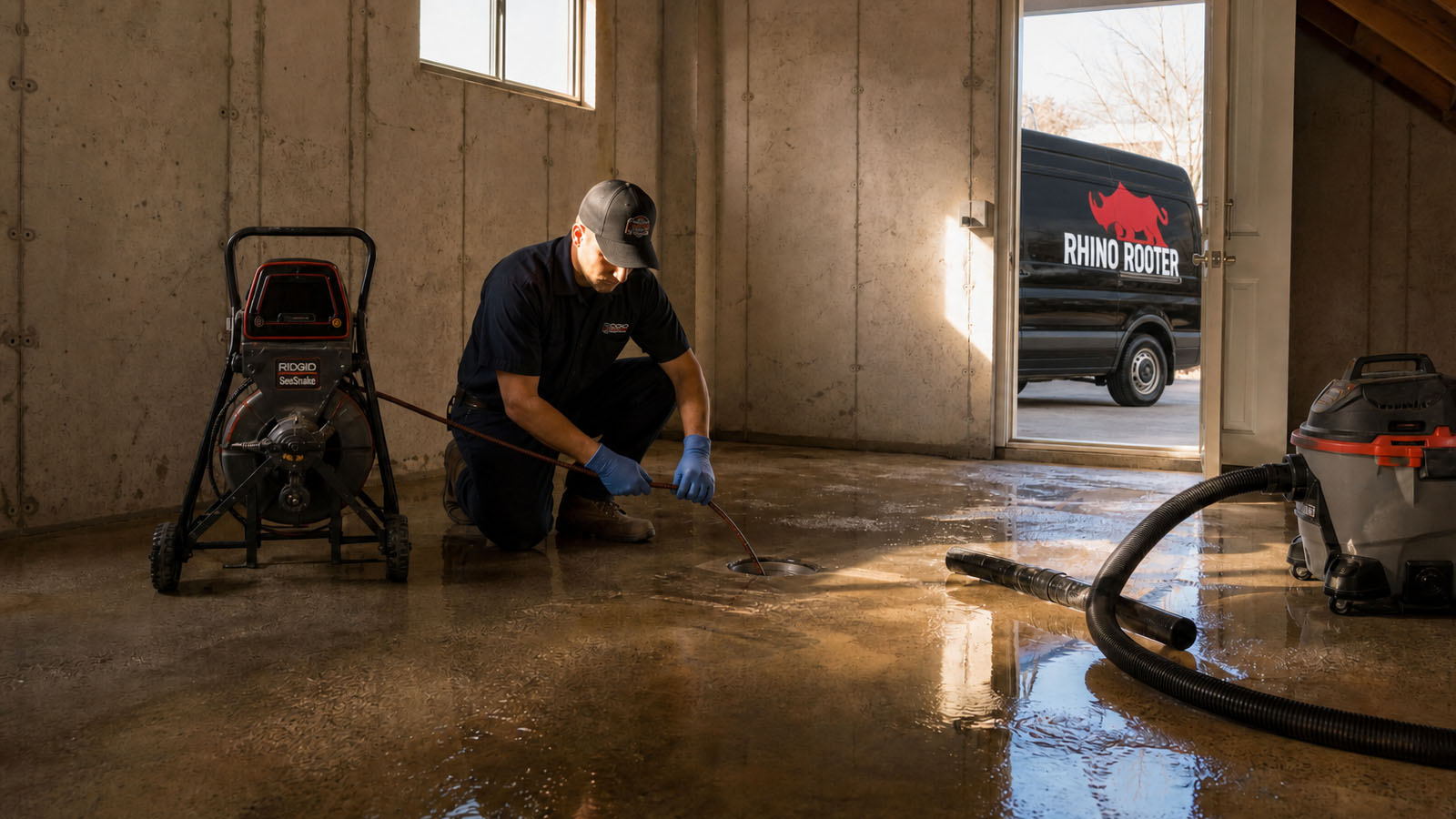
Get a Free Leak Detection Estimate
Rhino Rooter camera-verifies suspected leaks across Weber, Davis, Box Elder, and Cache counties before any repair begins. Request your free estimate and get a written quote before we touch a wall.