
Sewer Camera Inspection in Plain City, UT: What to Know Before Your Sewer Line Fails on a Rural Property
Quick answer: Plain City's mix of historic farmsteads and newer subdivisions means many sewer laterals run considerably longer than a typical in-town connection — and every extra foot of pipe is another chance for a defect. A camera inspection on a rural Plain City property often turns up more than one problem area: multiple low spots (bellies), root intrusion at several joints along the run, and sag in older clay or cast-iron sections. Camera inspections here run $250-$300 and are the only reliable way to see the full length of the line before it fails.
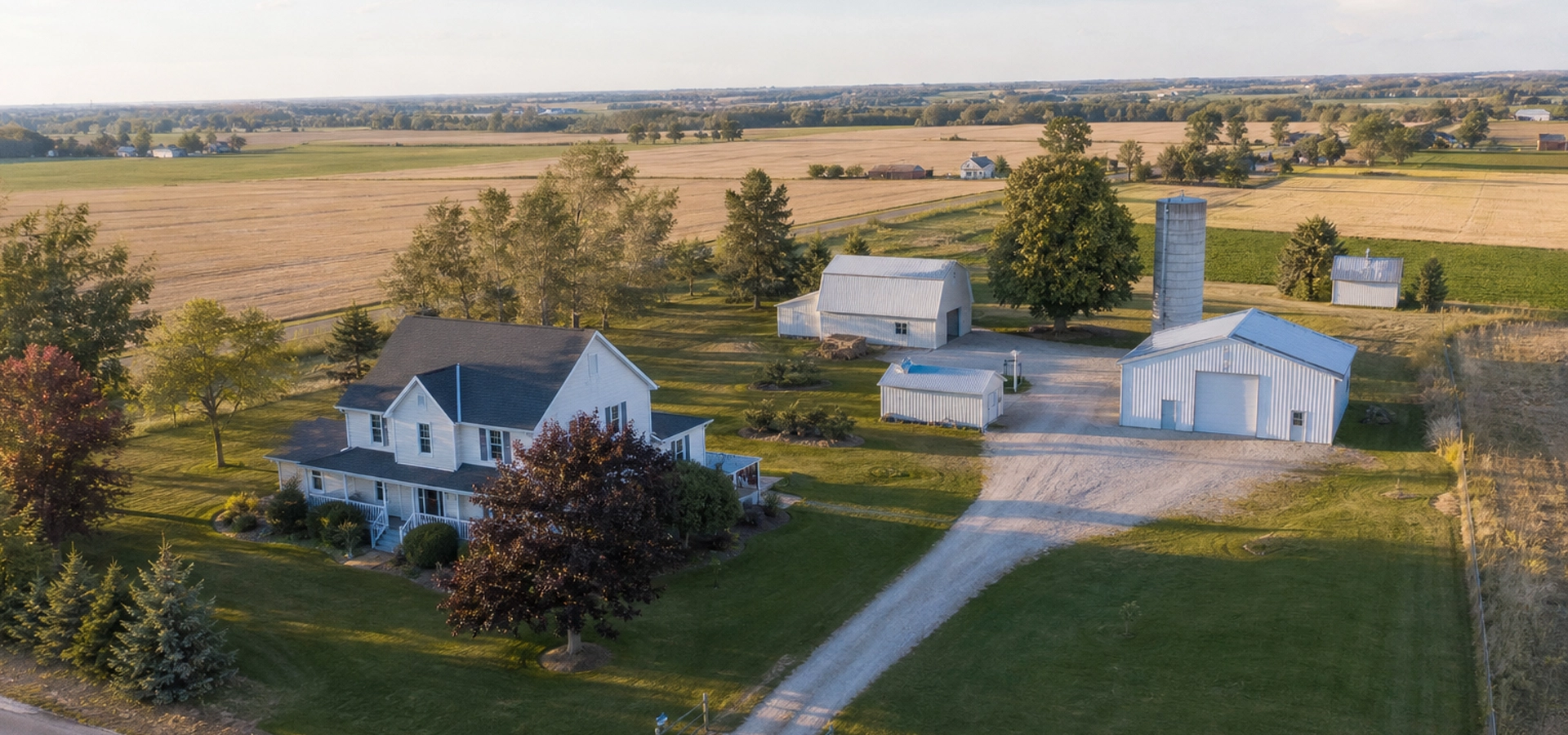
A house in a dense Ogden subdivision might have 40 feet of sewer lateral between the house and the street. A farmstead property in Plain City can easily have double or triple that, running under a long driveway, past outbuildings, or across a field toward the connection point. That extra length matters more than most homeowners realize.
Why Longer Lines Fail Differently
Every joint, every foot of soil the pipe passes through, and every tree along the route is a separate opportunity for a defect. Municipal sewer programs have documented this pattern for decades: EPA estimates that at least 50% of inflow and infiltration into sewer systems originates from private properties, entering through defects along the private lateral itself — and a longer private lateral simply has more places for that to happen. A 40-foot line and a 120-foot line aren't just different lengths; the longer one statistically carries three times the joints, three times the soil transitions, and three times the root-intrusion opportunity.
What a Camera Inspection Finds on a Long Rural Line
| Finding | Why Longer Rural Lines See It More | Fix |
|---|---|---|
| Multiple bellies | A long run across a farmstead lot has more chances for the ground to settle unevenly along its length, creating more than one low spot where solids collect. | CIPP lining or spot repair |
| Root entry at joints | More linear footage means more joints, and older Plain City properties often have mature trees spaced along the entire run rather than clustered near the house. | CIPP lining |
| Pipe sag | Longer unsupported spans of clay or cast iron sag under their own weight over decades, especially where the line crosses looser or wetter soil. | Pipe bursting if severe |
| Mixed pipe materials | A line extended or repaired over the years may combine clay, cast iron, and newer PVC sections, each aging differently. | Material-specific repair |
Do I Need a Sewer Inspection on a Rural Property?
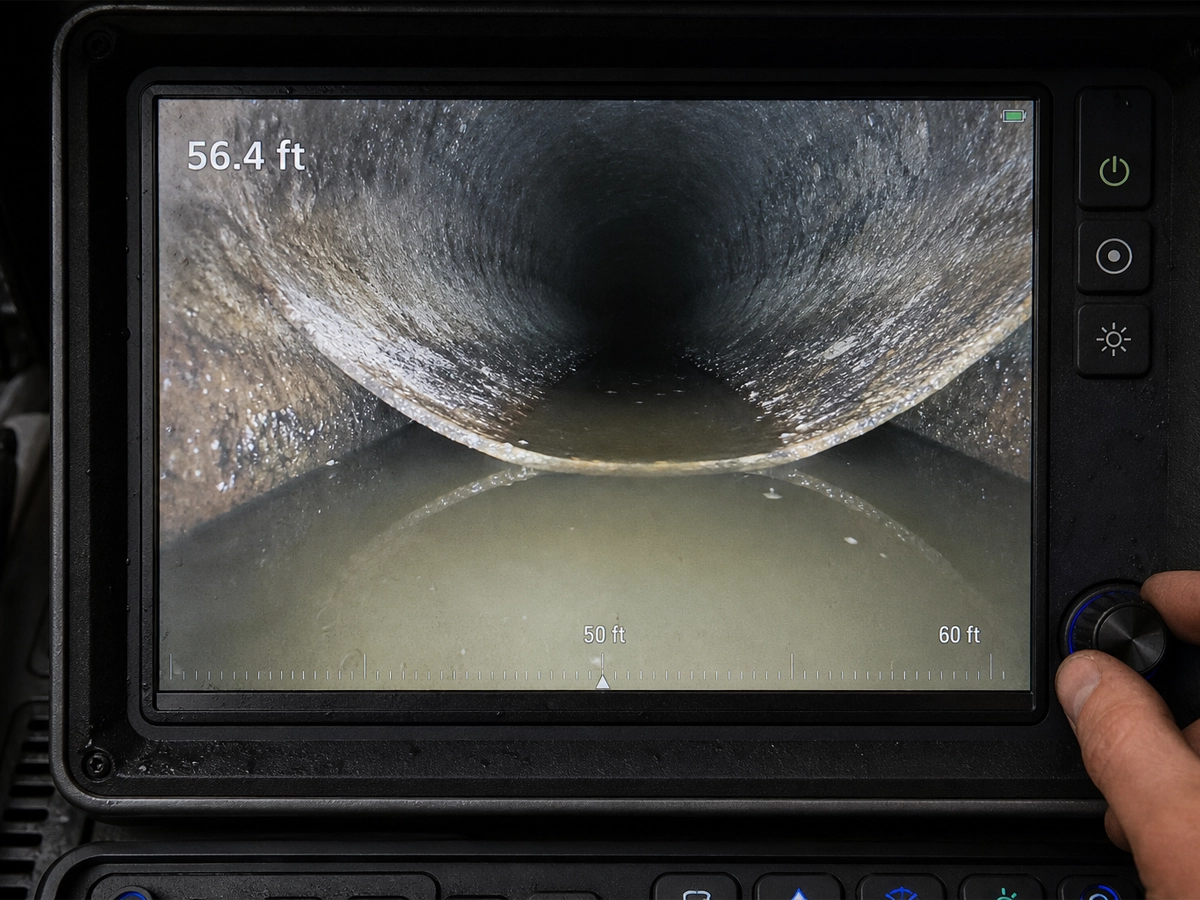 A belly, 56 feet down the line
 Yes — and arguably more than a typical in-town homeowner needs one. A few reasons rural and semi-rural Plain City properties benefit even more from a camera inspection than a shorter urban connection would:
Longer lines hide problems farther from the house, so symptoms (slow drains, gurgling) often show up only after a defect has existed for a while.
Farmstead properties frequently have decades of piecemeal repairs, meaning the line may combine several different pipe materials with different failure timelines.
A rural line often crosses more varied ground — from a maintained yard to a field or pasture — where soil settling isn't uniform along the run.
Older Plain City properties near the historic core commonly still run original clay or cast-iron pipe for the property's full lateral length, not just near the house.
Have a longer lateral and haven't had it cameraed?
Rhino Rooter is about 8 miles from Plain City and can typically respond quickly. Call (435) 225-5678.
Request your free quote →What Happens After the Inspection
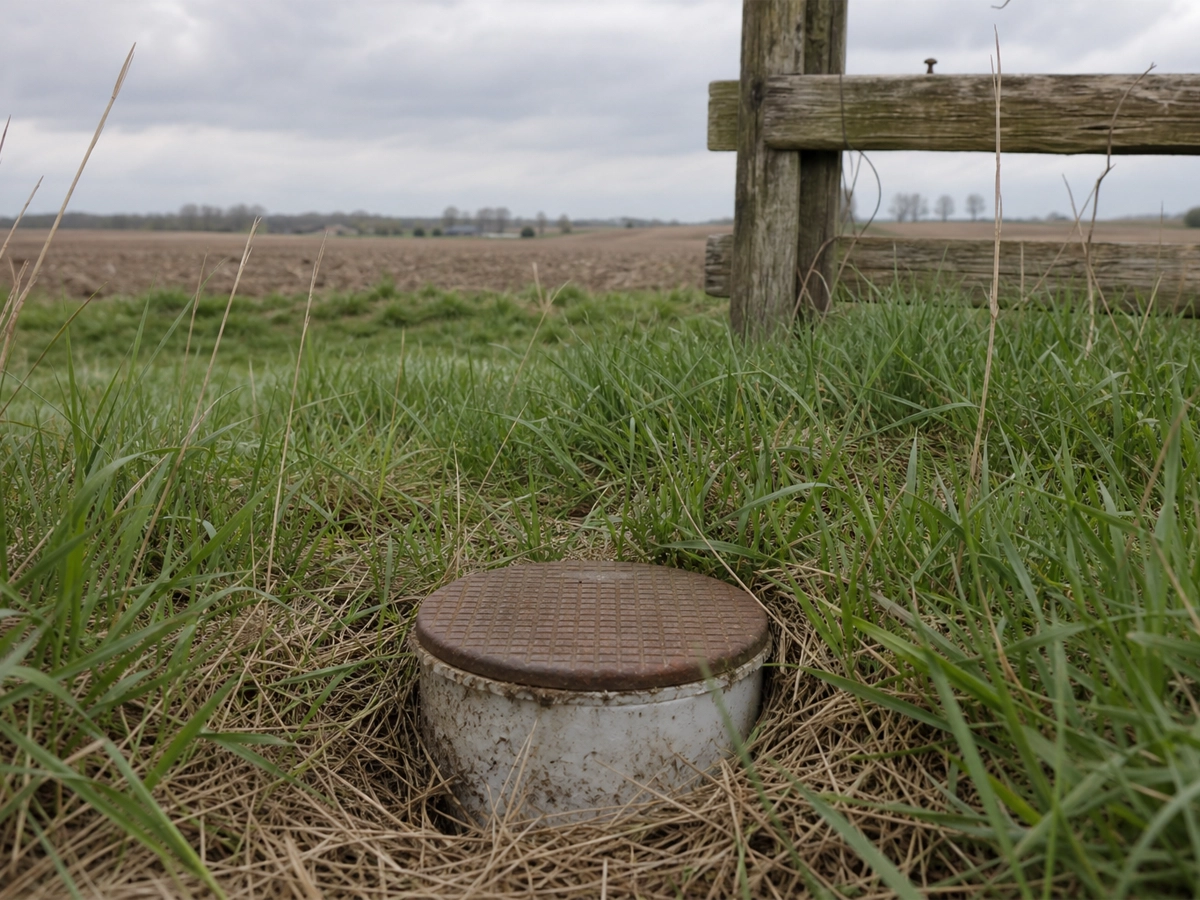 Where a long rural line gets its access point
 Once the camera and locator have mapped every defect along the run, the fix depends on what's actually there. A single belly or root intrusion point is often addressed with a targeted repair. Multiple defects spread across a long line more often call for full-length trenchless sewer repair, since relining the whole run in one pass is usually more efficient than several separate spot repairs. If the inspection turns up different pipe materials along the same line, our pipe repair by material page covers how we handle clay, cast iron, and PVC sections differently within the same job.
Plain City Sewer Camera Inspection at a Glance
Longer rural sewer laterals have more joints, more soil transitions, and more chances for a defect than a typical in-town line.
A camera inspection on a Plain City property often finds multiple bellies, root entry at several joints, and pipe sag rather than a single isolated problem.
Camera inspections in the Plain City area run $250-$300 and are often credited toward a repair.
Rural properties with mixed pipe materials or piecemeal repair history benefit especially from a full-line inspection before problems surface.
Next step: contact Rhino Rooter for a recorded sewer camera inspection in Plain City.
About Rhino Rooter
Rhino Rooter is a family-run, trenchless-first sewer and drain company based in West Haven, Utah, serving Ogden, Plain City, and Weber County for 23 years, with roughly 27,000 jobs completed and a 4.82-star rating. Call (435) 225-5678.
Contact the crew →Frequently Asked Questions
Do I need a sewer inspection on a rural property?
Yes, often more so than a typical in-town property. Rural and semi-rural laterals tend to run longer, cross more varied soil conditions, and may combine several pipe materials from decades of piecemeal repair — all of which mean more potential failure points along the line than a short urban connection has.
How much does a sewer camera inspection cost in Plain City?
A standard recorded camera inspection or diagnostic runs $250-$300, the same as a pre-purchase sewer scope. If the inspection leads to a repair with Rhino Rooter, that cost is often credited toward the job.
Can one inspection cover a very long farmstead lateral?
Yes. The camera records the entire run in a single pass, and a sonde and locator mark the depth and surface position of any defect found — regardless of how long the line is — so the report covers the full length, not just the section near the house.
Why do older Plain City properties have more sewer problems than newer subdivisions?
Many older Plain City homes near the historic core still run original clay or cast-iron laterals, sometimes extended or patched over decades. These materials crack and admit roots with age, and a longer original run means more of that aging pipe is in the ground at once.
What should I do if the inspection finds multiple defects along my line?
Multiple defects spread across a long lateral are usually more efficiently addressed with a full-length trenchless reline than several separate spot repairs, since relining the entire run in one pass avoids repeat mobilization and repeat excavation points.
Map Your Plain City Sewer Line Before It Fails
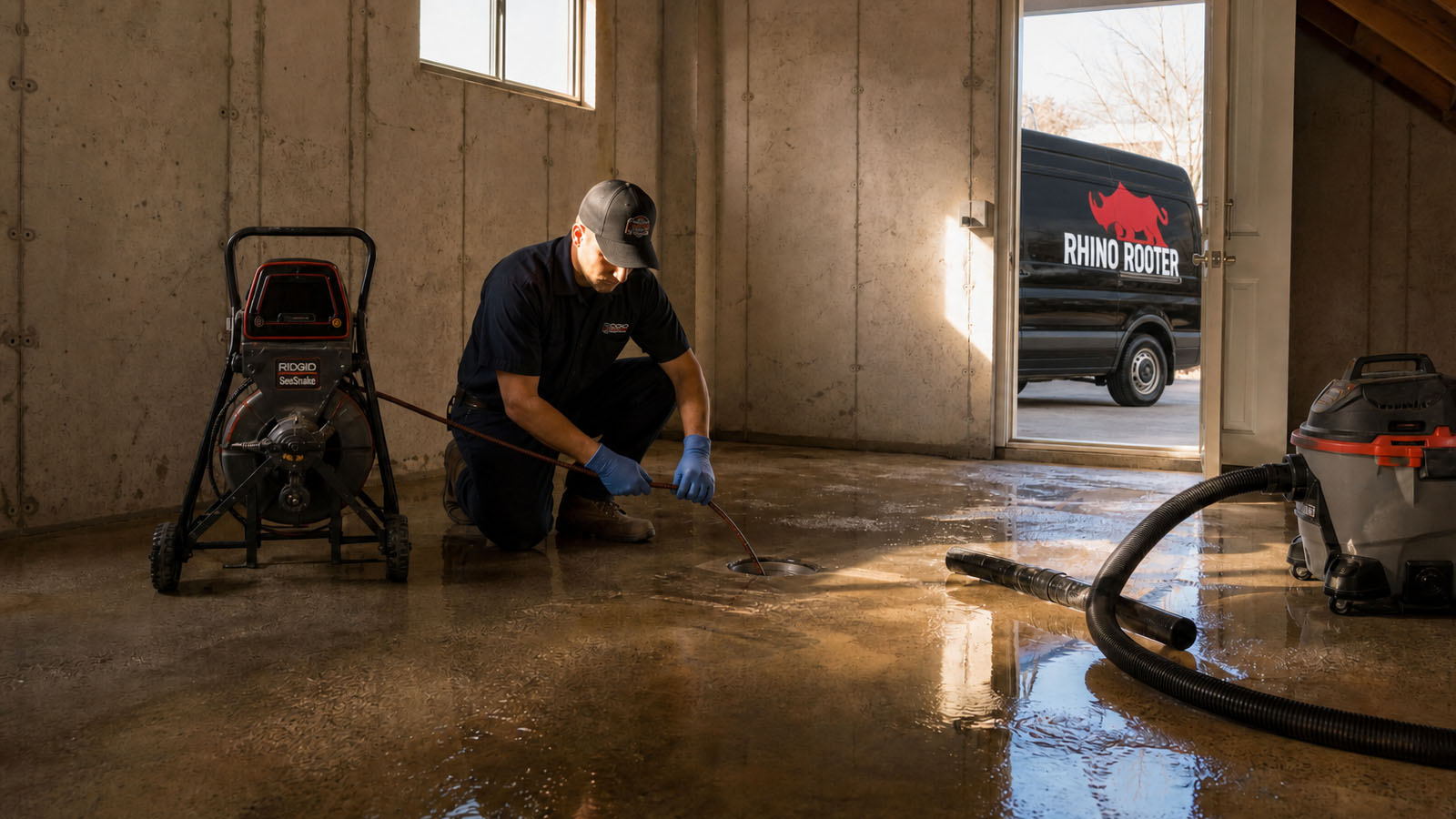
A long rural sewer lateral doesn't have to be a mystery until it fails. Rhino Rooter provides recorded camera inspections that map the entire run — every belly, every joint, every material change — so you know what you're dealing with before it becomes an emergency. Contact us today.