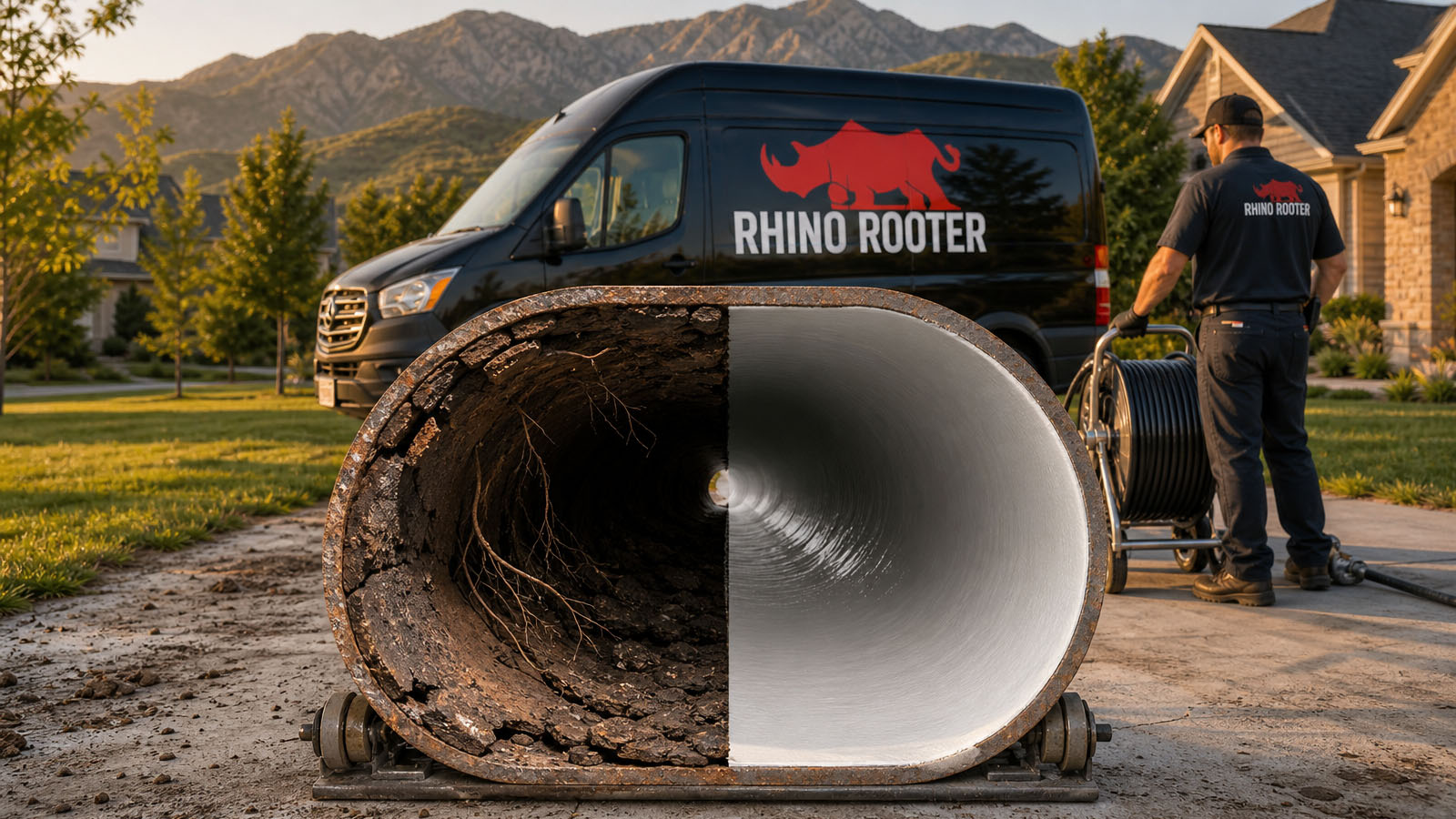
Quick Answer: CIPP pipe lining — or cured-in-place pipe lining — is a trenchless sewer repair method that inserts a resin-saturated flexible liner inside a damaged pipe and cures it in place to form a new “pipe within a pipe.” The process involves a CCTV inspection, hydro-jet cleaning, liner inversion using water or air pressure, curing (steam, UV, or ambient), and a final camera check. Most installations are completed within a day, restoring full pipe function without excavation.

Cured-in-place pipe (CIPP) lining repairs damaged sewer pipes from the inside — no large trenches required. This trenchless approach restores structural strength and flow without tearing up yards or streets. Below, we walk through the CIPP process, the materials involved, and why many municipalities and homeowners prefer it to conventional replacement. Read on for a practical, no-nonsense look at how CIPP delivers reliable, long-lasting pipe rehabilitation.
What Are the Key Takeaways About CIPP Pipe Lining?
- CIPP repairs existing pipes by inserting a resin-saturated flexible liner that cures in place, forming a new pipe inside the old one.
- The typical workflow includes a CCTV inspection, thorough cleaning, liner inversion, curing, and a final camera check to confirm quality.
- Linings are commonly felt or fiberglass; resins are usually epoxy or polyester chosen for strength and adhesion.
- Curing options — steam, UV, or ambient — harden the resin to create a structural, durable sleeve.
- CIPP is generally faster and less intrusive than open-cut replacement, reducing labor and restoration costs.
- Routine camera inspections and maintenance help preserve the lining’s performance over its service life.
- Because it avoids excavation, CIPP reduces site disturbance and related emissions, offering environmental advantages.
- Ongoing advances in materials and curing methods are improving performance, speed, and sustainability.
What Is CIPP Pipe Lining and How Does It Enable Trenchless Sewer Repair?
CIPP is a trenchless rehabilitation technique that installs a resin-impregnated flexible liner into an existing pipe. Once cured, the liner becomes a continuous, structural pipe within the host pipe, restoring strength and flow without major excavation. This method shines in dense urban settings or landscaped areas where digging is disruptive. CIPP typically lowers labor and restoration costs and shortens project timelines compared with traditional replacement.
What Are the Step-by-Step Stages of CIPP Pipe Lining Installation?
The CIPP installation follows a series of deliberate steps. Each stage reduces risk and ensures the finished liner performs as intended.
Camera Inspection
Work begins with a CCTV camera survey to document pipe condition, locate defects, and confirm access points. The inspection identifies blockages, cracks, offsets, and other issues that influence the repair approach and scope.
Pipe Cleaning
Next, crews remove debris, roots, and buildup using hydro-jetting or mechanical cutters. Clean surfaces are essential for the liner to seat properly and for the resin to bond where required.
Liner Installation
The liner — usually felt or fiberglass — is saturated with a formulated resin and prepared for insertion. Using water or air pressure (the inversion method), the resin-impregnated tube is pushed into the host pipe so it conforms to the pipe walls.
Curing

Once positioned, the resin is cured so the liner hardens into a robust sleeve. Common curing techniques include steam, UV light, and ambient-temperature curing. Steam curing is widely used for its speed and reliability; curing time varies with method and site conditions.
Final Camera Inspection
After curing, a final CCTV inspection verifies liner adhesion, checks for wrinkles or defects, and confirms the repair meets specifications. This quality check clears the pipe for return to service.
📞 Ready to Restore Your Pipes? If your sewer line is showing signs of wear, CIPP lining may be the faster, less invasive solution. Contact Rhino Rooter today for a free sewer camera inspection and CIPP assessment in Weber County, UT.
Which Materials and Resins Are Used in the CIPP Process?
Material selection drives long-term performance. Typical components are:
- Flexible Liners: Felt or fiberglass fabrics designed to withstand impregnation and curing while providing structural support.
- Resins: Epoxy or polyester formulations chosen for mechanical strength, chemical resistance, and bond quality.
- Curing Agents & Systems: Equipment and chemistries for steam, UV, or ambient cure processes.
Contractors specify materials based on host pipe type, flow conditions, and service expectations.
What Are the Key Benefits of CIPP Pipe Lining Compared to Traditional Methods?

CIPP brings several practical benefits over open-cut replacement:
- Cost-Effectiveness: Less excavation means lower labor and restoration expenses.
- Faster Turnaround: Many repairs finish in hours or days rather than weeks.
- Minimal Disruption: Streets, landscaping, and traffic require far less disturbance.
- Environmental Benefits: Reduced excavation preserves landscapes and cuts machinery emissions.
- Long-Term Savings: Durable repairs reduce future interventions and related costs.
For property owners and agencies, those savings often translate into fewer headaches and faster service restoration.
How Is Resin Impregnation Prepared and Applied?
Resin wet-out follows a controlled routine:
- Preparation: Lay out the liner and prepare resin mixes in a clean area.
- Saturation: Evenly apply resin to the fabric to achieve the specified resin content.
- Application: Transport and invert the saturated liner into the host pipe, ready for curing.
Consistent wet-out is essential for predictable strength and bond characteristics.
What Is the Pipe Inversion Method and How Is It Executed?
The inversion method pushes the resin-saturated liner into the host pipe so it unfolds and conforms to the interior wall. Execution steps include:
- Preparation: Saturate and stage the liner at the access point.
- Inversion: Use water or air pressure to invert the liner into the pipe until it seats correctly.
- Curing: Apply the chosen cure method to harden the liner in place.
This technique reliably produces a tight fit and consistent wall thickness when performed to specification.
Which Curing Methods Are Used in CIPP and How Do They Work?
Common curing approaches are:
- Steam Curing: Steam raises resin temperature for faster cure — a common, proven choice for many installations.
- UV Curing: UV light polymerizes specially formulated resins quickly and with precise control.
- Ambient Curing: Relies on environmental temperatures and catalyst systems; slower but useful where other methods aren’t practical.
Project constraints and material selection determine the best curing strategy.
How Is Pipe Inspection and Maintenance Conducted After CIPP Installation?
Post-install care helps protect the investment. Typical activities include:
- Camera Inspections: Routine CCTV checks to monitor liner condition over time.
- Physical Checks: Visual or access-point reviews to spot surface problems.
- Maintenance: Regular cleaning and debris management to prevent clogging and stress on the liner.
Scheduled inspections and timely maintenance preserve hydraulic capacity and service life.
What Are the Environmental and Cost Considerations of CIPP Pipe Lining?
CIPP offers environmental and financial benefits that often make it the preferred rehabilitation choice:
- Environmental Benefits: Reduced excavation preserves landscapes and cuts machinery emissions.
- Cost Profile: Lower restoration and labor costs can make CIPP more economical over a project’s lifetime.
- Long-Term Savings: Durable repairs reduce future interventions and related costs.
What Recent Innovations and Industry Trends Affect CIPP Pipe Lining?
Key trends improving CIPP performance include:
- Advanced Materials: New fabrics and resin chemistries offer higher strength and chemical resistance.
- Improved Curing: UV and hybrid curing systems speed work and improve cure consistency.
- Sustainability Focus: Manufacturers and contractors are reducing waste and improving material sourcing.
These developments are expanding CIPP’s applicability and enhancing its long-term benefits.
TL;DR — CIPP Pipe Lining at a Glance
- CIPP is a trenchless method that creates a new pipe inside the old one using a resin-saturated liner cured in place.
- The 5-step process covers inspection, cleaning, liner inversion, curing (steam/UV/ambient), and post-install camera check.
- Liner materials are felt or fiberglass; resins are typically epoxy or polyester.
- Key advantages: lower cost, faster completion, minimal site disruption, and a 50+ year service life.
- Regular CCTV inspections and drain cleaning are essential for maintaining CIPP performance after installation.
- Next step: Schedule a sewer camera inspection with Rhino Rooter to find out if CIPP is right for your pipe.
Frequently Asked Questions
What types of issues can CIPP pipe lining effectively address?
CIPP repairs a wide range of sewer problems: cracks, leaks, root intrusions, and general structural deterioration. It restores pipe integrity without full replacement, making it suitable for many damaged runs — especially where excavation would be disruptive.
How long can a CIPP lining installation last?
When specified and installed correctly, a CIPP liner can provide decades of service — commonly projected at 50 years or more. Lifespan depends on material quality, installation practices, and ongoing maintenance.
Can CIPP be used for all types of pipes?
CIPP is compatible with clay, PVC, cast iron, and concrete hosts in many cases. Success depends on pipe diameter, alignment, and the extent of damage. A pre-install camera inspection determines suitability.
What maintenance is required after CIPP installation?
Maintenance generally includes periodic CCTV inspections and routine cleaning to prevent buildup and blockages. Promptly addressing localized issues keeps the lining functioning as intended.
How does the cost of CIPP compare to conventional sewer repair methods?
CIPP can have higher material or equipment costs upfront, but it often avoids large excavation and restoration bills. Faster completion reduces labor and downtime-related costs, and durable repairs can lower lifecycle costs compared to frequent spot repairs or full replacements.
Related Resources
- CIPP Pipe Lining Service — Rhino Rooter
- Sewer Camera Inspection
- Hydro-Jetting Service
- Pipe Bursting
- Drain Cleaning Service
- Ogden, UT Service Area
Get a Free CIPP Lining Assessment
CIPP lining is one of the most efficient, cost-effective ways to restore aging or damaged sewer pipes — without the disruption of traditional excavation. Whether you’re dealing with root intrusion, pipe cracks, or chronic backups, Rhino Rooter’s certified technicians serve Weber County, UT with fast, reliable trenchless repair. Contact Rhino Rooter today for a free, no-obligation CIPP pipe lining assessment.
About Rhino Rooter: Rhino Rooter has served Weber County, Utah for years, specializing in trenchless pipe repair, sewer camera inspection, hydro-jetting, and drain cleaning. Our licensed technicians handle everything from minor blockages to full pipe rehabilitation — with no unnecessary excavation. Call us or visit rhinorooter.net to schedule your free assessment.